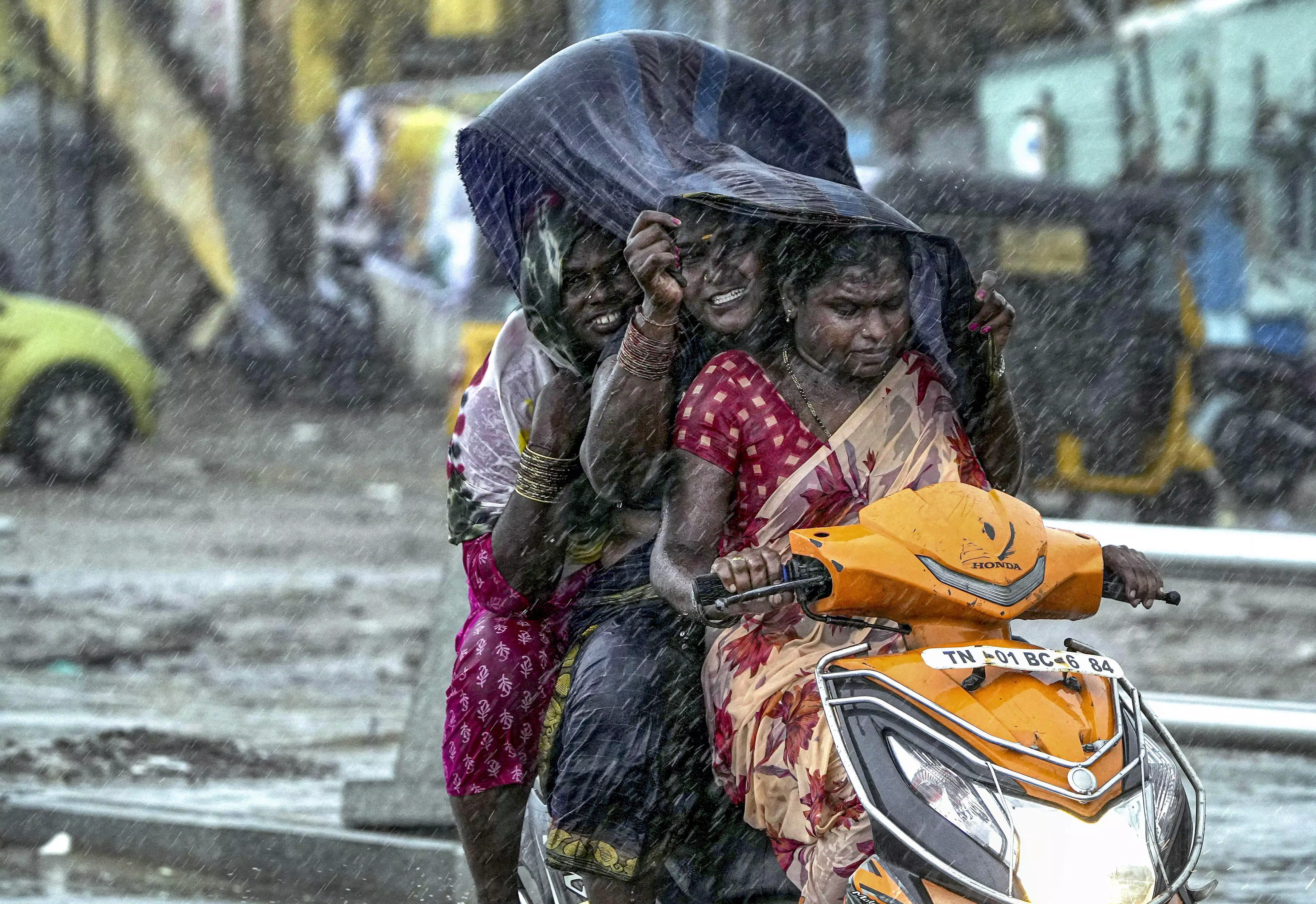
Forgotten in ethanol debate: Two-wheelers, not cars, are paying the real price for E20
Economist says the hurried E20 rollout has hit two-wheeler owners, who rely on their vehicles for daily livelihoods, the hardest and calls for an E10 choice at fuel stations till 2030

While much of the debate around India's ethanol blending programme has centred on cars' fuel efficiency and engine compatibility, one group has largely been left out of the conversation: two-wheeler owners.
With scooters and motorcycles making up the overwhelming majority of vehicles on Indian roads, and for many, it is part of their livelihood, the impact of the E20 fuel rollout on this segment deserves far greater attention than it has received so far.
Economist Mitali Nikore argues that the rushed implementation of the E20 policy has hit two-wheeler users the hardest, and is now calling for petrol pumps across the country to offer E10 as an alternative until at least 2030. For many families with two-wheelers, engine trouble and lower mileage aren't minor inconveniences — they're financial setbacks they can ill afford.
CEA's call for bringing back E10
Chief Economic Advisor V Anantha Nageswaran recently advocated for providing E10 as an explicit choice to consumers.
Also read: Amid E20 backlash, Centre opens talks on parallel sales of E10 fuel: Report
Without a transparent pricing structure overseen by petroleum regulators, two-wheeler owners — who rely on their vehicles for daily livelihoods and cannot easily defer purchases — continue to bear the brunt of repair and maintenance costs caused by non-compliant fuel, Nikore said. “We can easily manage multiple varieties of fuel as long as the pricing is done in a manner which is transparent.”
'India can manage multiple varieties of fuel'
Unlike four-wheeler buyers who can delay purchases, two-wheeler buyers face immediate operational needs. For these families, unexpected engine trouble and reduced fuel efficiency represent significant financial hits during an already tight economic climate, she added.
Also read: Automakers flagged E20 fuel contamination concerns for years: Tahseen Poonawalla
“You start providing some reductions where you have some amount of blending, whether it’s for E10, E20 or in the future if we have more varieties like E50, E80, E90, which are also being considered for compliant vehicles. Again, they should be priced differently,” Nikore argued. “I think India is not an immature market that you know we can't manage multiple varieties of fuel.”
Alongside offering fuel choices, targeted financial support or transitional relief schemes for vulnerable vehicle owners could help ease the cost of moving to compliant models. Such measures align with global green transition best practices without penalising motorists, she said. “We also need a scheme for two-wheeler owners who are switching to E20 whose vehicles are non-compliant to give them some sort of financial support from the government side in this transition period.”
Also read: ‘Contamination, not E20, is the real problem; govt must fix it first’
Also on the show, addressing the government’s stance, Dinesh Tantia, YouTuber and member of Team Bharat, pointed out that officials often justify the lack of E10 by claiming excess ethanol production needs to be absorbed to support sugar farmers. He argued that forcing excess ethanol onto vehicle owners who suffer reduced mileage and mechanical wear is an unfair burden on common citizens.