








Govt mulls fuel price hike as India faces mounting losses amid Gulf conflict: Report
State-run oil firms are considering a fuel price hike to offset heavy under-recoveries, while FMCG companies also prepare to raise prices of daily essentials

Indian state refiners are preparing for a modest hike in retail fuel prices within days as the government attempts to balance the economic fallout of the ten-week war in the Persian Gulf with consumer concerns, a move that is expected to trigger broader inflationary pressure across sectors.
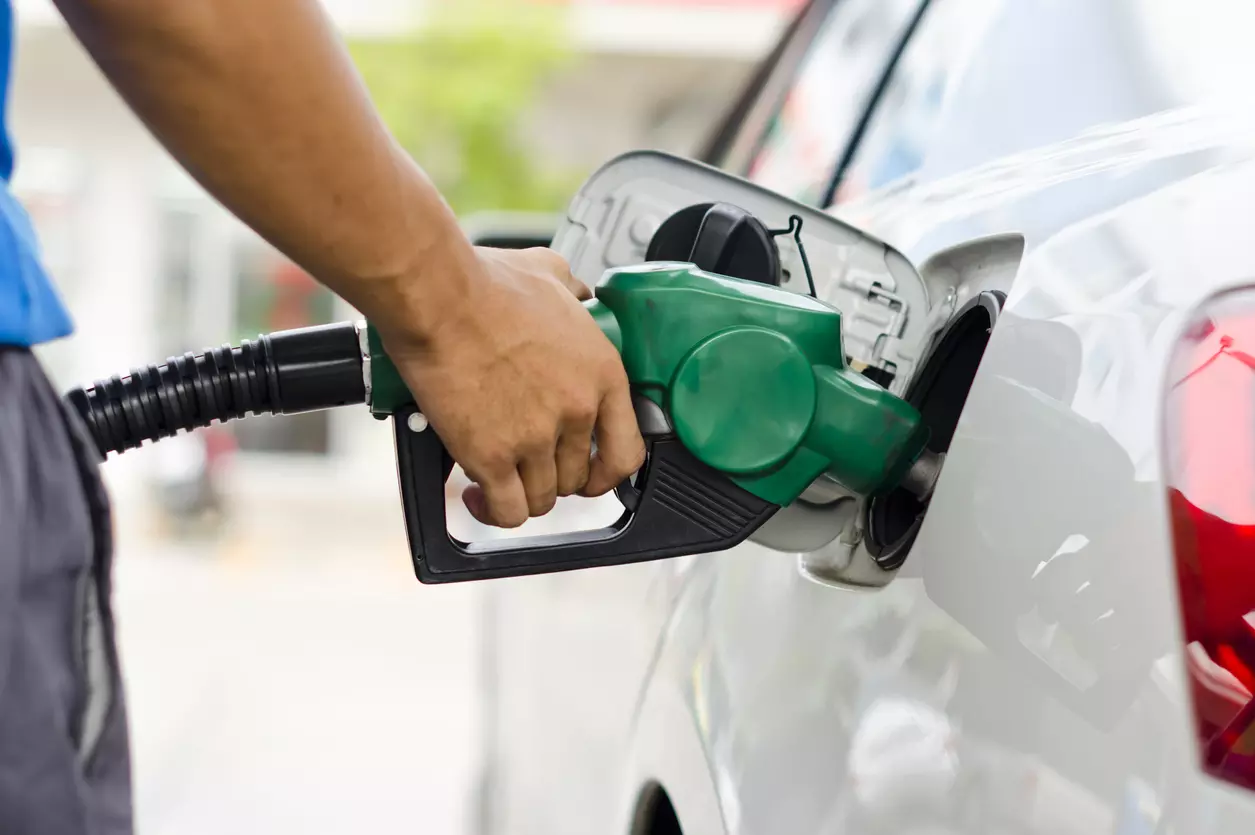
State-run fuel retailers are likely to raise diesel and petrol prices by around Rs 5 per litre to offset estimated daily losses of USD 105 million, sources familiar with the matter said. However, officials acknowledge that the hike falls well short of the Rs 15-20 per litre increase required to substantially reduce losses, as a steeper revision could fuel inflation and become politically contentious.
Also read | Work from home again? Modi’s fuel-saving appeal draws smiles and frowns
India, the world’s third-largest oil consumer, has been hit hard by the Iran war, with the closure of the Strait of Hormuz disrupting energy imports, driving up crude prices and triggering cooking gas shortages.
Amid the crisis, Prime Minister Narendra Modi urged citizens over the weekend to reduce fuel consumption and travel to limit the economic fallout. His remarks came after a series of state election victories strengthened the BJP’s political position, giving the government an opportunity to undertake the politically sensitive task of raising fuel prices.
Fuel pricing talks underway
The finance and petroleum ministries are holding discussions with oil marketing companies (OMCs) on a possible fuel price hike as the US-Iran conflict continues to pressure global energy markets. The timing and extent of any increase will depend on crude oil price trends and the government’s approach to balancing inflation, fiscal pressures and energy pricing, Moneycontrol reported, citing sources.
Union Petroleum and Natural Gas Minister Hardeep Singh Puri said OMCs are buying crude, gas and LPG at higher cost, but are selling final products at lower cost to protect consumers, leading to mounting losses.
“We have managed to protect the more than 60 million consumers who visit the retail stations everyday. Still further, Modi government reduced excise duties on retail fuel and saw revenue losses of Rs 14,000 crore in a month," he said. He added that the estimated OMC under-recoveries are expected to surge to Rs 2 lakh crore, and losses are expected to be around Rs 1 lakh crore.
Sources told Moneycontrol that state-run fuel retailers may raise petrol and diesel prices in the coming days to offset mounting losses. “OMCs are incurring under-recoveries on sales of petrol, diesel and LPG and are in regular touch with the petroleum ministry and the finance ministry, where discussions on price hikes are taking place," a senior government official said.
‘Fuel price hike inevitable’
Sourav Mitra, Partner-Oil and Gas, Grant Thornton Bharat, said a fuel price hike has become inevitable if elevated prices persist. Government estimates show that India is spending over Rs 1,000 crore every day to absorb the impact of high global fuel prices.
“This situation can’t be sustained for long,” Prashant Vasisht, senior vice president at ratings agency ICRA, told The Economic Times. “At some point, oil-marketing companies and government have to take a call on raising fuel prices.”
India’s fuel market remains highly controlled. State-owned refiners account for about 90% of sales sites, and the pump prices they charge are approved by the central government. At the same time, local rates can differ because of variable state-level taxes.
While state-run refiners managed to contain losses in March given they had lower-cost inventories, their position deteriorated in April and May because of higher feedstock costs and static pump prices, sources said.
FMCG firms plan hikes
Meanwhile, daily-use essentials such as soaps, detergents, biscuits, packaged foods and beverages are likely to become more expensive, as major FMCG companies are preparing for calibrated price hikes due to crude-linked inflation, rising packaging costs and higher fuel expenses caused by geopolitical disruptions that are putting pressure on margins.
Also read | Centre assures of no fuel shortage, after PM Modi's conservation appeal
Executives of FMCG companies, many of which have already implemented price hikes of around 3 to 5 per cent in recent months, indicated during their latest earnings calls that they are either continuing with price increases or are prepared to raise prices further. They cited inflationary pressure driven by volatile crude oil prices, increased logistics costs, currency depreciation and disruptions in global supply chains amid geopolitical tensions.
The impact is being seen across sectors including food, personal care, beverages and household products, with FMCG companies trying to protect margins by either increasing prices or reducing pack sizes, while continuing to offer popular smaller SKUs priced at Rs 5, 10 or 15 to sustain sales volumes.
Although FMCG companies are concentrating on price elasticity and internal cost-efficiency measures such as reducing discounts and promotions, tightening inventory management and streamlining supply chains to soften the impact, consumers are still expected to shoulder part of the burden through calibrated price hikes and lower grammage.