


India auto sector records USD 1.7 bn in deals in Q3 as EV investments drive growth
M&A activity increased to 12 transactions worth USD 389 million in Q3, compared with five deals valued at USD 138 million in the previous quarter.

India’s automotive sector recorded 33 deals worth USD 1.7 billion in July-September 2026, up 65 per cent in volume and 131 per cent in value from the previous quarter, as investor interest in electric vehicles (EVs), battery technology and mobility platforms supported a recovery in dealmaking.
The sector had recorded 20 transactions worth USD 717 million in April-June 2026, according to Grant Thornton Bharat’s Q3 2026 Auto Dealtracker. The latest quarter’s activity was supported by higher mergers and acquisitions (M&A), increased private equity and venture capital (PE/VC) investments, and a rebound in public-market fundraising.
Also read: How wealthy Indian families are rethinking inheritance and succession
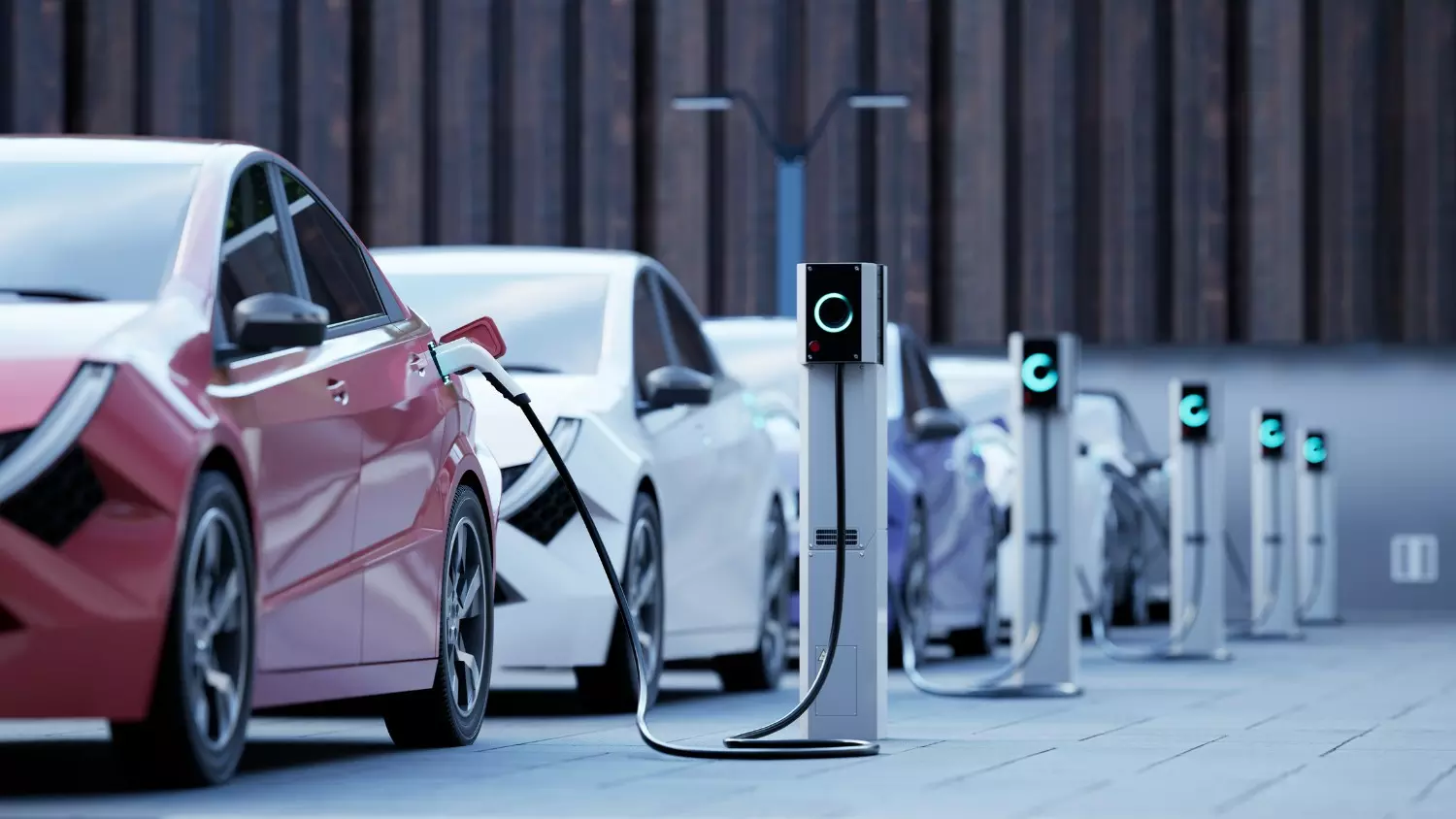
EV-focused businesses accounted for 54 per cent of overall deal activity, reflecting the growing role of electrification in investment decisions. Capital flowed into vehicle manufacturers, battery technologies, charging infrastructure and mobility platforms, even as investors remained selective about businesses’ growth prospects, technology and ability to scale.
M&A activity rises, led by Ather Energy investment
M&A activity increased to 12 transactions worth USD 389 million in Q3, compared with five deals valued at USD 138 million in the previous quarter. The increase was driven largely by Hero MotoCorp’s cumulative USD 285 million investment in Ather Energy, which accounted for nearly 73 per cent of the quarter’s M&A value.
Domestic transactions accounted for 75 per cent of M&A deal volumes and 87 per cent of transaction value. Investments and acquisitions across EV manufacturers, mobility platforms, automotive technology businesses and component makers indicated a focus on acquiring capabilities and strengthening positions in the changing mobility market.
Also read: Why banks are not raising FD rates despite RBI’s repo rate hike
Saket Mehra, Partner and Automotive and EV Industry Leader at Grant Thornton Bharat, said investment was increasingly extending beyond vehicle manufacturers to batteries, charging infrastructure, automotive technology and mobility platforms.
The shift suggests that investors are looking beyond vehicle sales to businesses and infrastructure that could support wider EV adoption.
PE/VC investments rise 23 pc
Private equity and venture capital activity also strengthened during the quarter, with 16 transactions worth USD 419 million, compared with 13 deals valued at USD 341 million in Q2. Both deal volumes and values rose 23 per cent quarter-on-quarter.
River Mobility raised USD 120 million, while Ultraviolette Automotive secured $85 million and shared mobility company Yulu received USD 63 million. Together, the three transactions accounted for nearly 64 per cent of quarterly PE/VC investment value.
Also read: SBI reports cyberattack after nearly 3,900 customer records leaked on dark web
The concentration of capital in a relatively small number of large transactions points to investors’ preference for businesses with differentiated technology, established market positions and identifiable growth opportunities.
Public markets contribute USD 846 million
Public-market fundraising emerged as a significant contributor to overall deal value. Two initial public offerings (IPOs) raised USD 428 million, while three qualified institutional placements (QIPs) mobilised USD 418 million, taking combined fundraising to USD 846 million.
Dhoot Transmission and Hero Motors led IPO activity, Belrise Industries, Ather Energy and SPR Auto Technologies raised growth capital through QIPs.
The fundraising activity indicates that listed-market investors continued to provide capital to established automotive businesses and companies linked to the EV ecosystem.
Auto components gain ground
Among the sectoral trends, auto components and manufacturing recorded four deals in Q3, up from one in the previous quarter. The increase reflected strategic acquisitions and growth-capital investments in the segment.
Mobility platforms recorded five deals, down from six in Q2, although Yulu’s USD 63 million investment highlighted continued interest in shared mobility. Automotive technology and infrastructure activity declined to two deals from three, with investor interest focused on specialised technology, battery services and charging infrastructure.
The quarter’s figures point to a broader shift in automotive investment, with capital extending across the supply chain and supporting infrastructure for electrification. However, the concentration of M&A and PE/VC funding in a few large transactions suggests that investor appetite remains strongest for businesses able to demonstrate scale, technological differentiation and a credible path to growth.