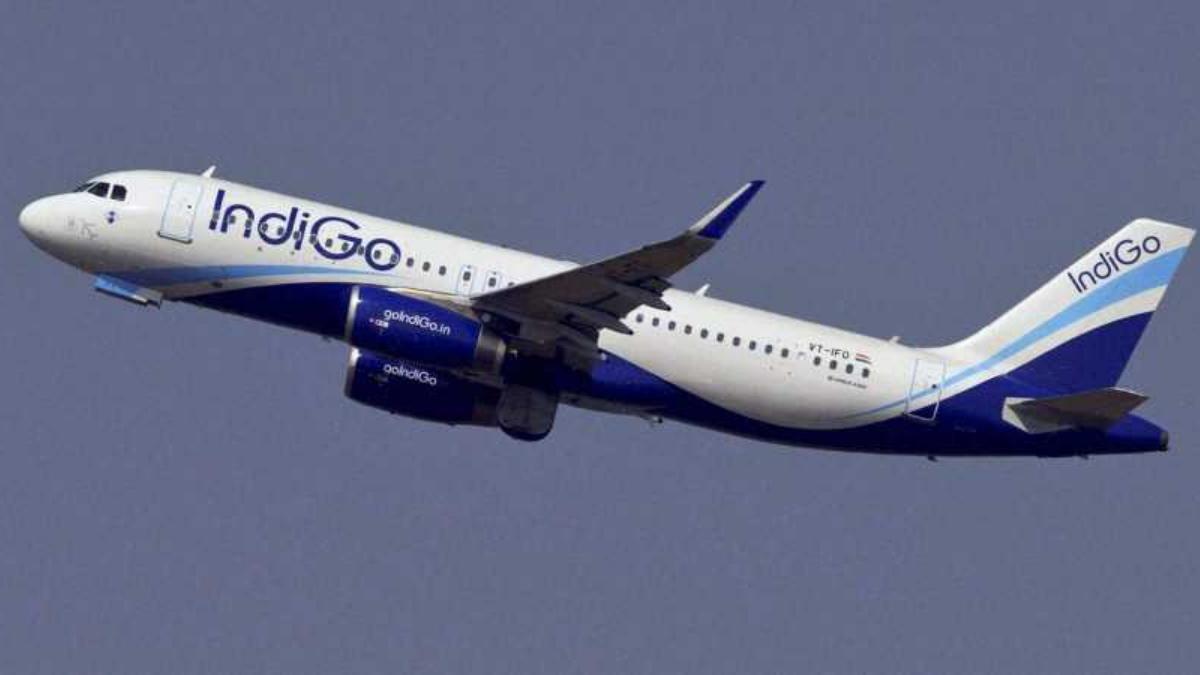
IndiGo chaos deepens as pilot-fatigue crisis and lean-manning strategy collide
Mounting cancellations, crew shortages and stricter duty-time rules push India’s largest airline into a prolonged phase of disruption

India’s largest airline, IndiGo, is facing one of its worst operational meltdowns, with a wave of cancellations and delays stranding thousands of passengers across major airports. What began as schedule stress triggered by India’s new fatigue-reduction rules has rapidly spiralled into a public confrontation between the airline, pilots, and regulators — exposing long-running fragilities in crew planning and morale.
The immediate flashpoint is the rollout of stricter Flight Duty Time Limitations (FDTL) from November 1. These rules, mandated by the DGCA after a Delhi High Court order, increase mandatory weekly rest for pilots and restrict late-night landings to reduce fatigue-related risks. FDTL simply refers to the maximum number of hours a pilot can be on duty, including flying time, briefings and post-flight tasks.
Also read | DGCA launches probe, seeks mitigation plan as IndiGo cancels 100-plus flights
All airlines must comply with the new system, but IndiGo has been hit disproportionately because of its high-density winter schedule and dependence on night operations. As available pilot duty-hours shrank under the new norms, the airline struggled to align crew rosters, triggering a rapid cascade of cancellations.
Government data shows that in November alone, IndiGo cancelled over 1,200 flights, with nearly two-thirds attributed to crew and fatigue-related constraints.
Scale of cancellations and passenger impact
Over the past several days, IndiGo has cancelled 200–300 flights a day, with hundreds more running hours late. Delhi, Mumbai, Bengaluru and Hyderabad have seen repeated waves of cancellations. On a single day, Bengaluru airport alone recorded more than 70 IndiGo cancellations.
Terminals have been clogged with frustrated travellers, many waiting for 5 to 10 hours with little information. IndiGo’s reputation for punctuality is getting hammered as on some days, major hubs reported that barely one in five flights departed on time.
Pilot fatigue: ‘A critical threat to aviation safety’
The crisis is unfolding against a backdrop of alarming fatigue levels among Indian pilots, a risk aviation experts have flagged for years. Capt Amit Singh, a commercial pilot and aviation safety specialist, calls chronic fatigue “a critical threat to Indian aviation safety," citing recent survey data that paints a disturbing picture: “About 54.2% of pilots reported severe excessive daytime sleepiness. As high as 66% said they had fallen asleep without consent or slipped into micro-sleep while on duty. And 71% said they felt too tired to be doing cockpit duty.”
Singh notes that long duty periods can effectively mimic intoxication: “Seventeen hours of wakefulness is equivalent to a blood alcohol concentration of 0.05% — far above India’s 0.00% pre-flight limit.” He also points out that IndiGo itself reported 1,232 cancellations, with 755 tied to crew/FDTL constraints, underlining how tight manpower planning left the airline uniquely exposed.
Pilots’ unions vs IndiGo management
The Federation of Indian Pilots (FIP) has criticised IndiGo’s leadership, insisting the crisis is not caused by safety rules but by years of aggressive understaffing.
In its statement, the union says: “The recent cancellations cannot be attributed to the new FDTL regulations. All other airlines planned adequately and remain largely unaffected.”
FIP argues IndiGo adopted a “lean manpower” model, froze hiring, and maintained a pilot pay freeze even though the airline had two years to prepare for the new fatigue rules. Following the rollout of Phase 1 of the new FDTL rules in July 2025, IndiGo restricted pilot leave; after Phase 2 began in November, it reportedly tried to buy back leave — moves that “further damaged morale.”
The union warns that: “Delays and cancellations should not become a pressure tactic every time rules do not suit airlines.”
FIP has urged the DGCA to approve seasonal schedules only after airlines prove they have enough crew, and suggested that if IndiGo cannot operate reliably, some of its airport slots should be shifted to Air India, Akasa Air and others with sufficient pilots.
Regulatory scrutiny and market fallout
The DGCA has summoned IndiGo’s top management to explain the “unprecedented disruptions” and to present a credible recovery plan. The regulator is also examining whether airlines should be allowed to expand aggressive winter schedules without demonstrating adequate staffing.
IndiGo’s stock has slipped amid investor concerns over compensation payouts, operational instability and potential regulatory action.
Fares surge, aviation sector feels the strain
With large chunks of IndiGo’s fleet grounded, airfares on some sectors have risen as much as 2-3x, particularly for last-minute travellers. Other airlines have added capacity where possible, but constraints in aircraft availability and crew have limited the relief.
The disruption has reignited debate on India’s aviation labour model, which for years relied on ultra-tight rosters to feed rapid expansion, a practice airlines defended on cost grounds, but pilots say is unsafe.
IndiGo moves to stabilise operations
IndiGo has apologised, saying the crisis stems from a “multitude” of factors, which include new safety rules, technology glitches, weather disruptions and congestion. The airline is now trimming its winter schedule to match “available crew resources” and leaning more heavily on aircraft taken on damp lease (planes that come with their own pilots).
Also read | IndiGo, Air India face major disruptions as Airbus flags A320 software upgrade
Internally, IndiGo faces pressure to accelerate hiring and training, revise rostering practices, and rebuild trust with pilots who say they repeatedly warned the airline about impending shortages.
In the near future, disruptions are likely to continue as IndiGo stabilises its network and regulators monitor the airline’s recovery plan. Travel experts advise passengers to regularly check flight status, keep buffer time, and consider alternate carriers on busy routes.
In the long term, the crisis is expected to reshape policy on airline scheduling, staffing norms and fatigue management; with both pilots and safety experts insisting that the industry cannot continue operating at the edge of exhaustion.
As FIP bluntly puts it: “It is time for IndiGo to return to Indian Standard Time — not ‘IndiGo Standard Time’ — and adopt people-first management that respects safety and crew well-being.”