








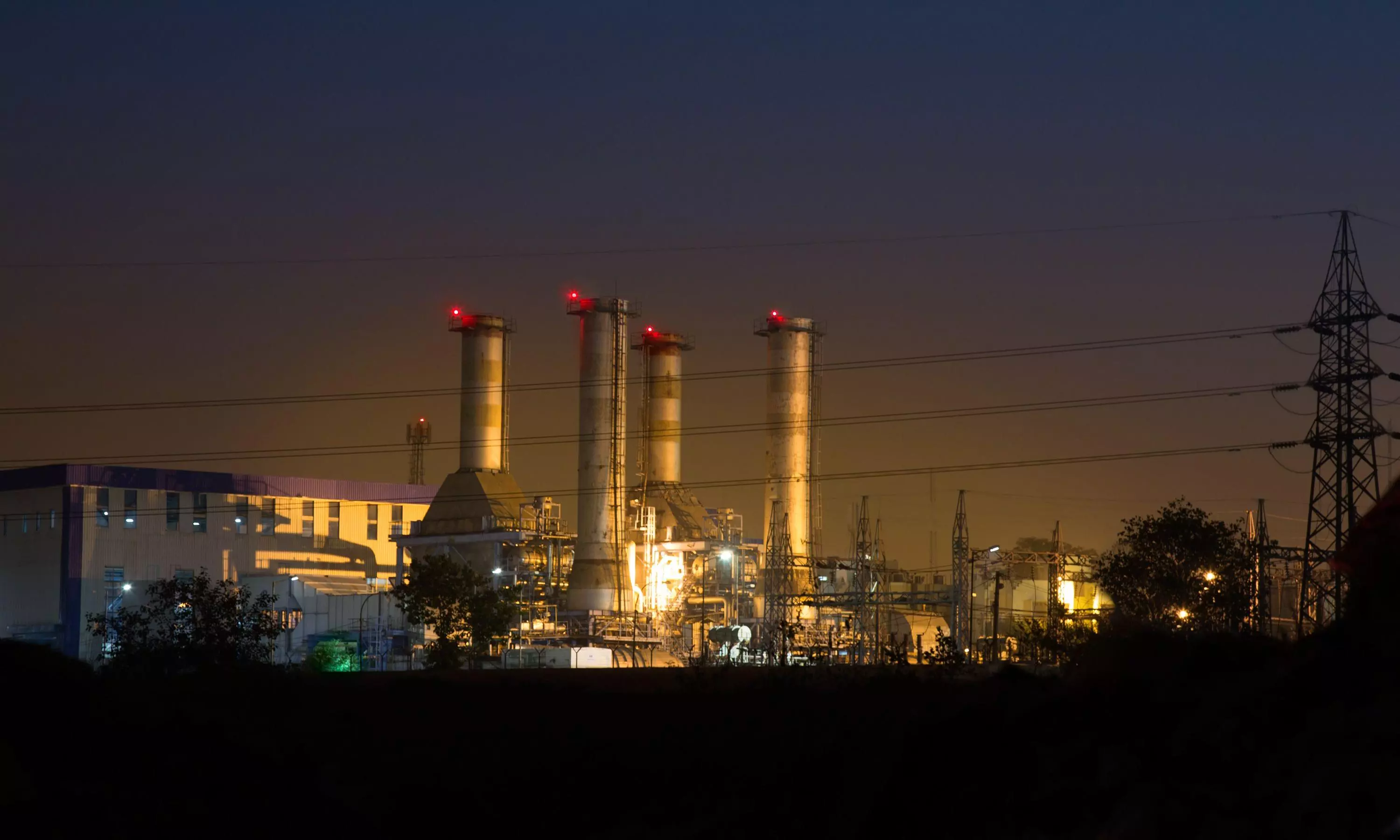
Oil refineries in India are asked to maximise production and stop making petrochemicals. Photo: iStock
Iran war: India evokes ESMA, ramps up LPG production
India's main LNG supplier, Qatar, has shut its liquefied natural gas production facility after being hit by drones and missiles during the ongoing conflict

While India has surplus oil refining capacity, it falls short on LPG production — a gap now made critical by the effective blockade of the Strait of Hormuz, which has choked off the bulk of the country's cooking gas imports. In response, the government has directed all public and private sector refiners to "maximise and ensure that propane and butane streams produced are utilised for production of liquefied petroleum gas (LPG)," under an oil ministry order dated March 5.
LPG is a mixture of propane and butane.
Issued under the Essential Commodities Act of 1955 (ESMA), the order restricts supply of the gas so produced to three state-owned oil marketing companies, Indian Oil Corporation (IOC), Bharat Petroleum Corporation Ltd (BPCL) and Hindustan Petroleum Corporation Ltd (HPCL) — and bars refiners from diverting either chemical toward petrochemical production.
"All oil refining companies shall not divert, utilise, process, crack, convert or otherwise employ propane or butane stream for the manufacture of petrochemical products or other such downstream derivatives," the order said.
Also Read: Live! Israeli strikes pound Iran and Lebanon as US warns attacks will intensify
The LPG so produced is to be sold only to domestic households for use in cooking purposes, it said, adding any contravention of the order shall attract penal action.
India has 33.08 crore active LPG consumers, and the government is looking to maintain an uninterrupted supply.
Earlier, the government invoked ESMA provisions in the oil sector during the post-Ukraine war period, asking refiners to ensure domestic fuel availability and not to export, which had become lucrative due to high margins.
Strait of Hormuz chokes gas supplies
A top oil ministry official said the oil and gas supplies through the Strait of Hormuz have been impacted and the country was sourcing fuel from outside of the conflict zone.
LPG under the recently signed LPG import contract with the United States have also started coming in.
Under the deal, public sector oil companies will import about 2.2 million tonnes of LPG from the US Gulf Coast in 2026 - roughly 10 per cent of the country's annual LPG imports - in a move to diversify energy sources and bolster energy security.
While the country has adequate stock of crude oil (raw material for making petrol and diesel), as much as 30 per cent of the gas supplies have been hit.
To deal with the situation, allocation is being re-prioritised - enforcing supply cuts for some and augmenting those for critical sectors, he said.
Qatar LNG facility hit, supplies disrupted
India consumes about 195 million standard cubic meters of natural gas daily for generating electricity, producing fertilizers, turning into CNG for automobiles, piping to household kitchens for cooking and use as feedstock in industries ranging from steel to ceramic. Roughly half of this is imported.
However, India's main LNG supplier, Qatar, has shut its liquefied natural gas production facility after being hit by drones and missiles during the ongoing conflict. This together with restrictions in movement of ships through the Strait of Hormuz has effectively cut off 60 mmscmd of supplies.
India scouts alternatives globally
The official said companies are looking to buy LNG - super-cooled natural gas - from elsewhere. "A company bought a cargo (shipload of LNG) just yesterday." "We are comfortably placed. Crude oil continues to flow. Even before the conflict broke out on February 28, 55 per cent of our sourcing was from non-Strait countries, which will now go up," he said, adding the vulnerability on LPG has been addressed through the order issued on March 5.
Also Read: What is Blue Sparrow, the missile that came from 'space' to kill Khamenei?
Besides, Russian oil being made available after the US waiver for one month will further augment supplies.
"We are in a comfortable position. All our options are open. Whatever we lost in the Strait of Hormuz, we have been able to pick elsewhere," he said.
LNG is being scouted around the globe, he said, expressing optimism that more supplies will be managed in the near future.
(With agency inputs)