India needs new policies, huge investments to become Viksit Bharat: Ahluwalia
Ahluwalia emphasises on need for higher expenditure on education, health, and R&D, redesigning tariff and trade regimes, and consensual approach to policymaking

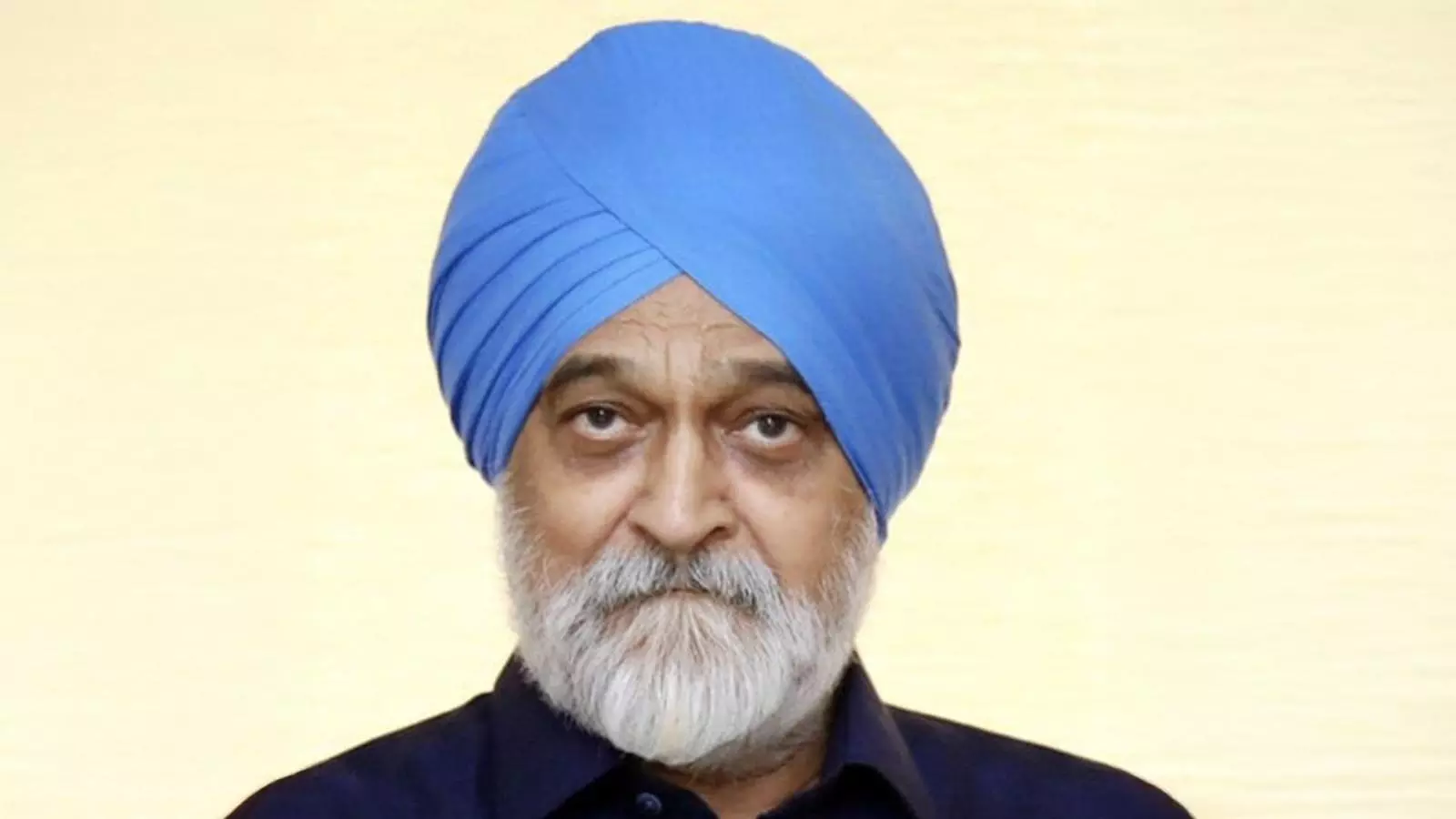
Montek Singh Ahluwalia, former deputy chairman of the Planning Commission, has said that for India to achieve its Viksit Bharat goal of a developed nation, the economy must grow at 8 per cent – up from the current average of 6.5 per cent – which needs redesigning the policy framework.
Speaking at the BPR Vithal Memorial Lecture on the “Challenges of policy making in a fast-changing world”, at the Centre for Economic and Social Studies in Hyderabad, he said India faces double challenges, on domestic and global fronts, which it needs to navigate carefully.
'Privatise PSUs'
On the domestic front, he said raising the growth rate to 8 per cent would require huge government efforts and investments in health, education, research and development (R&D), infrastructure and climate change mitigation.
That could well mean an extra 5 per cent of the GDP, which would have adverse fiscal implications. Besides, as most of the work to be done is at the state level, ways and means would have to be found to support states. One solution Ahluwalia offered was to privatise PSUs, effectively monetising their assets.
Also Read: Sensex, Nifty hit fresh lifetime highs in early trade
Ahluwalia laid great emphasis on building consensus between the Centre and the states – rather than imposing uniform policies like the new labour codes. He said states need different policy responses depending on the extent of the formal or informal workforce they need to deal with.
Challenges on global fronts
On the external challenges, Ahluwalia said given the changes in global trade, India needs to figure out whether it should withdraw from global value chain like the superpowers (the US and China) or identify areas where it doesn’t need to build one but in no case should it provide protective tariffs to all domestic industries – in the name of being ‘atmanirbhar’ – which will make them uncompetitive.
Also Read: Listing norms to be overhauled in 4-6 months: SEBI chief Pandey
On trade policy, he said India has several choices. It can align with countries willing to trade, like the UK, with which it has already signed Free Trade Agreement (FTA) and with the EU and Asia and also join mega trading blocs like the China-led RCEP and Japan-led CPTPP.
Climate concerns
As for the threat from climate change, Ahluwalia reminded that given that the US’s walkout and very little financial commitments from developed nations at the COP30 summit in Brazil, India needs a new policy framework.
Also Read: Chennai battered by heavy rain as Cyclone Ditwah remnants persist
Not just the changing monsoon patterns and intensity, which pose a huge challenge for agriculture, India needs to tackle pollution of its rivers and air, it being the third largest polluter in the world.