








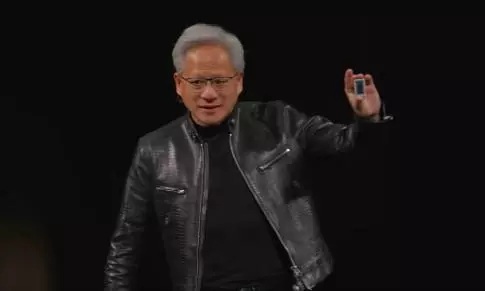
Nvidia CEO Jensen Huang unveiled N1X at Taiwan’s Computex 2026. | Photo: NVIDIA Newsroom/X
Nvidia unveils N1X chip for Windows PCs, takes on Intel, AMD and Qualcomm
Unveiled at Computex 2026, Nvidia’s Arm-based N1X processor combines a Blackwell GPU and AI capabilities to power a new generation of Windows laptops and desktops

Nvidia, the world's most valuable company when it comes to AI data centres, is stepping into the personal computer market with a custom processor called the N1X, built in collaboration with Microsoft. The chip will power a new line of Windows PCs launching this autumn under the RTX Spark branding, with devices coming from Dell, HP, Asus, Lenovo and MSI.
Speaking at Taiwan's Computex conference, Nvidia CEO Jensen Huang described the development as the most significant reinvention of the PC in four decades, drawing comparisons to the transformation of the mobile phone into the smartphone.
Also read | Global probe exposes aggressive upselling at VFS centres: 'A captive market'
CNBC quoted him as saying, “This reinvention of the computer is as big of a deal as the reinvention of the phone into what we now know as the smartphone.”
What's inside the chip
The RTX Spark superchip fuses two of Nvidia's core technologies: a Blackwell graphics processing unit and a new Arm-based central processing unit called the N1X, custom-designed by Taiwanese firm MediaTek. The combination is supported by 128 gigabytes of unified memory and manufactured using TSMC's 3-nanometer process.
Nvidia says the chip's performance is roughly equivalent to its leading RTX 5070 laptop GPU. Initial devices will be as slim as 14 millimetres, targeting creators, AI developers and gamers.
Why this matters
The move challenges a PC processor market long dominated by Intel, AMD, Qualcomm and Apple. Arm-based chips, which prioritise power efficiency over raw x86 performance, are increasingly gaining ground, a shift Apple helped accelerate. Nvidia now enters that race with significant AI computing credentials behind it. Nvidia plans to release over 30 laptops and 10 desktops using the new chip over time.
Also read | Inside AI gold rush: Massive tech layoffs contrast with jaw-dropping Samsung bonuses
The signal to Intel, AMD and Qualcomm is unmistakable. Nvidia is no longer content with merely providing the AI acceleration layer for PCs. Instead, it is aiming to own the processor platform itself, powering everything from on-device AI agents to gaming, creative applications and developer workflows.