








UK unveils ‘Australia-Plus’ social media ban: What’s the ‘plus’? Did Aus model work?
Announcing the decision, UK PM Starmer said the government was acting to protect children from the harmful effects of social media and give their childhood back

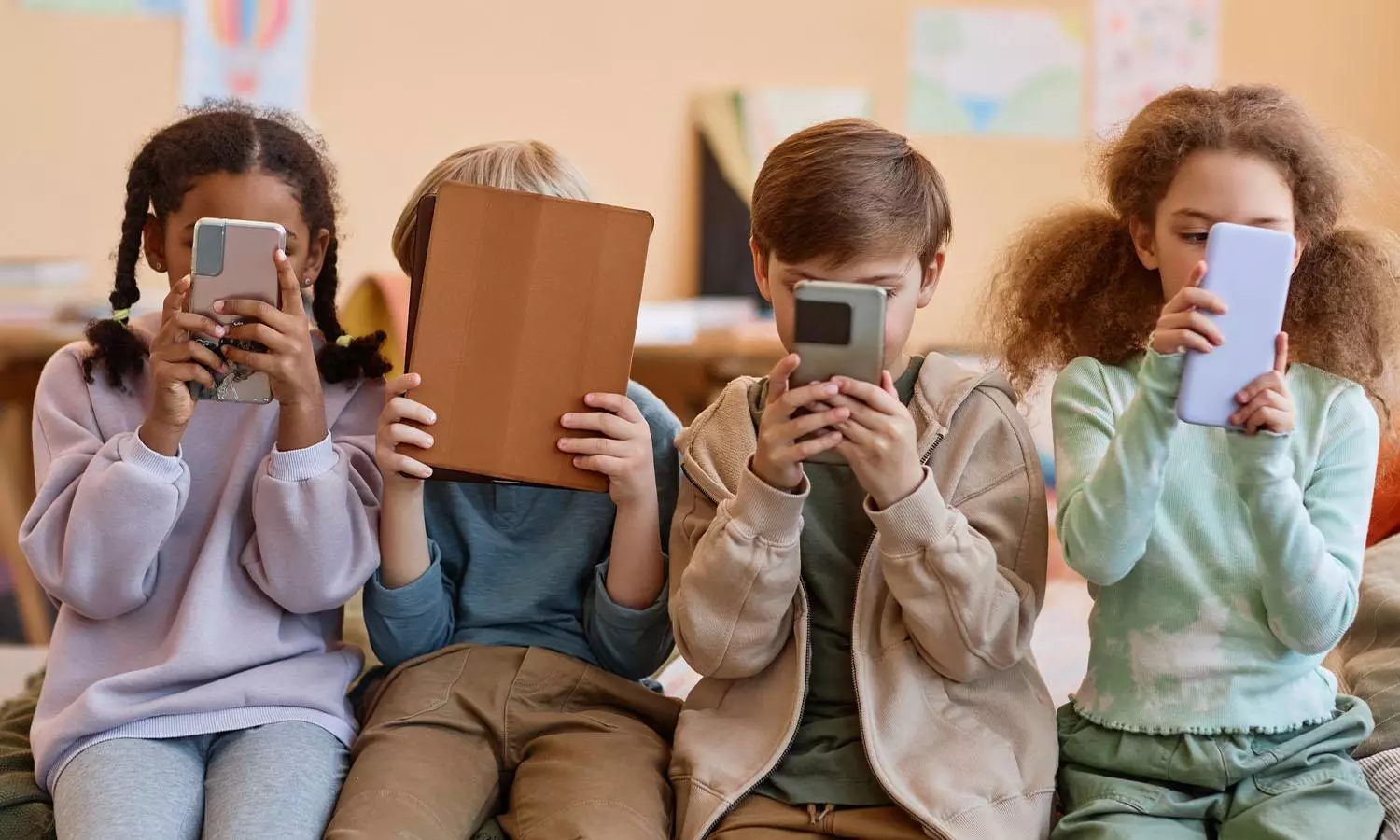
The United Kingdom has become the latest country to impose a ban on children's social media use, announcing a curb on access to social media platforms for those under 16. The move places Britain alongside Australia, Indonesia, Malaysia and Brazil, which have all introduced varying forms of age-based restrictions amid growing concerns over the impact of social media on children's mental health, safety and wellbeing.
Also read: UK PM Starmer announces ban on social media apps for children under 16
Announcing the decision, Prime Minister Keir Starmer said the government was acting to protect children from the harmful effects of social media. "We are banning social media access for under-16s... We're giving children their childhoods back," he said, adding that social media was making children unhappy, exposing them to dangerous content and encouraging addictive behaviour through features such as infinite scrolling and autoplay.
What makes the UK plan different?
Unlike Australia's model, the UK is adopting what officials describe as an "Australia-Plus" framework.
Beyond banning social media access for under-16s, the proposal includes restrictions on livestreaming, preventing children from interacting with strangers on gaming platforms, stronger age-verification systems and possible overnight social media curfews that are expected to be detailed next month.
Messaging platforms such as WhatsApp and Signal will be exempted, while educational apps, music streaming services and e-commerce platforms will continue to remain accessible.
The UK also plans to deploy a far more stringent age-verification system known as Highly Effective Age Assurance (HEAA). Platforms may be required to verify users through facial age-estimation technology, digital identity systems and even cross-checks with banking or financial records. The government is also considering personal liability measures for technology executives rather than relying solely on corporate fines.
Also read: Karnataka to ban social media for children under 16: CM Siddaramaiah
A key feature of the proposed rules is that multiplayer gaming platforms and other user-to-user services will be required to activate "stranger blocks" by default, preventing minors from being contacted by unknown adults.
Countries with similar bans
Australia became the first country to introduce a nationwide under-16 social media ban in December 2025. Technology companies face fines of up to AUD 49.5 million if they fail to prevent children from creating accounts.
Indonesia approved similar regulations in March 2026, while Malaysia raised the minimum age for social media use to 16 and is implementing electronic Know-Your-Customer (eKYC) verification tied to government-issued identity documents.
Brazil's Digital ECA law, passed in March 2026, requires facial scans or identity verification and parental consent for users under 16.
Also read: Banning social media for children will not solve problem: Psychologist | AI With Sanket
Other countries and jurisdictions have either introduced similar restrictions or are moving in that direction. While France has tightened access rules for minors, Florida in the United States of America, has banned for under-14s and imposed parental consent required for older teens.
Several European nations, including Spain, Greece and Portugal, are debating or preparing similar measures.
What about India?
India does not yet have a nationwide social media ban for minors. However, Karnataka became the first state to announce plans to prohibit social media use for children below 16.
Several other states have focused on smartphone restrictions in schools rather than social media bans.
Also read: Social media ban for Under-16s: Is Australia-style law feasible in India?
Kerala has issued guidelines limiting mobile phone use in schools, while Maharashtra has recommended restrictions on student smartphone usage. Telangana and Andhra Pradesh have periodically discussed curbs on phone use in educational institutions.
Has the Australian ban worked?
According to a June 2026 report by market research firm Pureprofile, 78 per cent of under-16s in Australia still access banned social media platforms, only slightly lower than the 84 per cent recorded before the restrictions were introduced.
The report found that only 31 per cent of children had undergone facial age-verification checks and roughly half of those who did were able to bypass the system by being incorrectly identified as over 16. Many teenagers also used parents' identities, older siblings' accounts or shifted to web browsers, gaming platforms and fringe apps to evade restrictions.
Australia's eSafety Commissioner reported an initial 37 per cent drop in active under-16 social media accounts, but acknowledged that around 70 per cent of existing child users eventually found ways to continue accessing platforms such as TikTok, Snapchat and Instagram.
Also read: Australia’s social media ban impacts youth access to news
Despite these loopholes, the Pureprofile report found strong public support for the restrictions. About 76 per cent of Australians continue to back the ban, while 77 per cent of parents reported positive lifestyle changes, including children spending more time reading, playing sports and engaging in outdoor activities.
"Even though the social media ban does require refining for a more consistent performance, it's also encouraging to see families taking the opportunity to spend more time outdoors and offline," Pureprofile noted in its findings.
“Other countries have been studying Australia’s progress with the ban and have considered emulating it, and this data has good takeaways for them to refine their strategy. Ultimately, policy alone cannot determine success; it requires parental motivation and ability to effectively restrict harmful social media use,” Martin Filz, CEO, Pureprofile, said.
As digital safety experts increasingly point out, passing a law may be easy, but enforcing it effectively remains the real test.