GI tag for Tandur red gram brings no relief to Telangana farmers, thanks to govt apathy
Despite a GI tag, Tandur red gram farmers are not reaping the expected benefits due to poor branding, lack of a unique ID, and absence of an export system

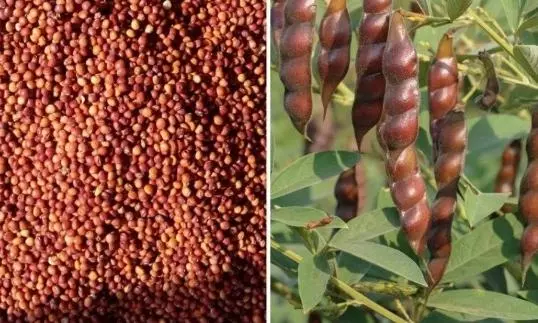
A Geographical Indication (GI) indication tag has not done any wonders for the farmers of Tanduri Kandipappu, or the Tandur red gram (pigeon pea), which is known for its taste, high protein content, and quick cooking quaility. Despite its quality and demand, farmers continue to face losses due to government neglect in branding, issuance of a unique ID, and establishment of a dedicated board.
The pulse, which has gained recognition across India, with demand especially high in Delhi, Mumbai, and southern states, is cultivated along the banks of the Kagna River in Tandur, Peddemul, Yalal, and Basheerabad mandals of Vikarabad district, Telangana. The region’s unique red, black, and limestone-rich soils give the pulse its unique flavour and 24 per cent protein content. Around 63,500 farmers cultivate the red gram on about 1.52 lakh acres.
Acknowledging its distinctiveness, the GI Registry under the Ministry of Commerce and Industry granted it a GI tag on December 14, 2022, with the registration number 706. However, the agriculture department has not issued a unique ID for the crop, which would help farmers secure better prices. Officials say IDs will be issued later this year.
Nutritional value of Tandur red gram (pigeon pea)
Protein: 22–24 pc (almost double that of cereals)
Carbohydrates: ~60–65 pc (provides sustained energy)
Dietary Fibre: ~15–18 pc (aids digestion and gut health)
Fat: Low (~1.5–2 pc)
Also contains micronutrients such as iron, potassium, magnesium, phosphorus, folate (Vitamin B9), and other B Vitamins.
Health benefits
High protein source: Excellent for vegetarians and vegans as a plant-based protein.
Heart health: Low fat and high fibre help reduce cholesterol.
Digestive health: Fibre improves bowel movement and gut microbiome.
Weight management: High protein and fibre increase satiety.
Diabetes-friendly: Low glycaemic index helps regulate blood sugar.
Branding and export Issues
Although agricultural research centres continue to study the crop, efforts to boost yields have yet to deliver tangible results. Not only that, a lack of branding, packaging, and processing facilities is also adversely affecting the farmers. There is no proper export system, leading to low market prices. Farmers complain they are forced to sell their crop at a low cost.
For decades, proposals have been made to set up a “Dal Board” in Tandur, but they remain on paper. Former chief minister K Chandrashekar Rao promised a board in 2017, similar to the turmeric board, but it was never implemented. In Parliament, former MP Ranjith Reddy had also pressed for the immediate establishment of a dedicated Dal Board in Tandur, but the Centre did not act.
Former agriculture minister Singireddy Harivardhan Reddy had pledged to publicize the significance of Tandur red gram, but that promise was never fulfilled. Current chief minister Revanth Reddy has also not acted on it while farmers and associations continue to demand its establishment. Marata Narsimhulu, representing the Yalal Mandal Farmers’ Association, urged that a Dal Board be set up in Tandur without further delay.
Tandur red gram (Tanduri Kandipappu) is highly nutritious, containing about 22–24 per cent protein, making it one of the richest plant-based protein sources among pulses. It is also valued for its quick cooking quality, flavour, and high digestibility.
Price fluctuations hit mills
Organically grown Tandur red gram is particularly in high demand. At the Tandur Agricultural Research Centre, organically cultivated red gram is processed into dal at a mini mill and sold. Dr Sudharani, a scientist at the centre, noted that introducing QR codes for organic Tandur dal could significantly boost its demand in the domestic market.
Another issue is poor-quality pulses being sold under the Tandur brand, damaging its reputation and hurting genuine farmers. Katakam Veerender, vice-president of the Telangana Dal Mill Traders Association, told The Federal Telangana that they are suffering losses because of all these reasons.
Price fluctuations after the GI tag have also impacted dal mill owners, many of whom report losses. Of the 14 dal mills in Tandur, half have shut down due to unstable prices and lack of government support. Virender, a dal mill trader from Tandur, complained about rising electricity bills and absence of export incentives.
(This article was originally published in The Federal Telangana.)