Why Kanupriya Dhingra’s The Sunday Book Bazaar is a bibliophile's ode to this iconic Delhi market
Published by Speaking Tiger, the book, Dhingra's debut title, serves as a welcome archival narration of the shrinking world of paper books in this digital era. It dwells in detail on the second-hand book market's shift from the Daryaganj footpaths to its present location in Mahila Haat, Chandni Chowk, and also weaves in stories about the book sellers.

Kanupriya Dhingra writes extensively about the origin of the bazaar, its changing contours over the years, about the sellers who continue to set up shop every Sunday and about the curious buyers who do not stop coming. Photo: iStock
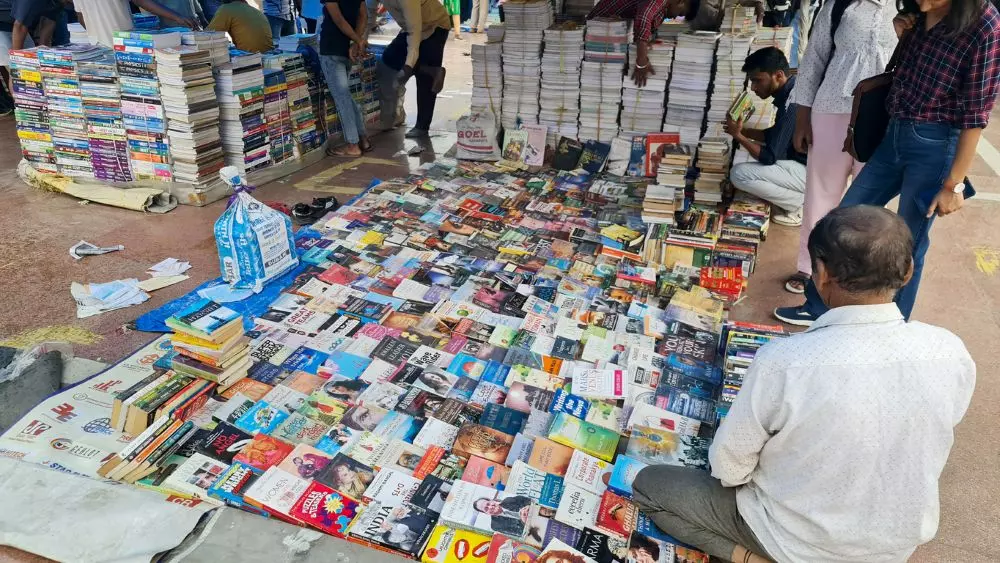
Delhi’s weekly, second-hand book market, operating for decades from the neighbourhoods collectively known as ‘Old Delhi’, has long been a subject of curiosity. It is a unique institution, where all kinds of books — textbooks and comics, rare editions and pirated bestsellers, even foreign magazines — are available at one place, at prices much lower than e-marketplaces like Amazon and established bookshops. For years, this patri bazaar (pavement market) has offered bibliophiles the pleasure of bargaining, the thrill of discovering a title one has only heard about and the wonder at finding a really old edition with personal notes written in pencil on the first page. It is visited by the shaukeen (connoisseur), school and university students, general readers, those looking for self-help books and idle browsers.
Now, Kanupriya Dhingra’s debut book The Sunday Book Bazaar, published by Speaking Tiger, gives readers a peek into this world of yellowed pages and rare titles hidden among tattered covers.
Also read: Why motivational books continue to see market demand
Dhingra writes extensively about the origin of the bazaar, its changing contours over the years, about the sellers who continue to set up shop every Sunday and about the curious buyers who do not stop coming. She describes her first visit to the bazaar, not as a chronicler/researcher but as a student, when she picked up an inexpensive book on learning how to play the piano. She never learnt the instrument, she writes, but that book serves as a metaphor for the bazaar’s chief attraction: inexpensive books fuelling dreams which buyers would probably otherwise never even dare to dream.
The bazaar allows one to dream big. Students come from far and wide to buy books otherwise too expensive to own, collectors come to lay their hands on rare editions and some even browse for books on Urdu poetry.
The move from Daryaganj
The author uses oral history and texts to outline the bazaar’s evolution from the traditional book culture of Shahjahanabad (which came to be known as Old Delhi) and the older Urdu Bazaar networks into the pavement phenomenon in Daryaganj (a neighbourhood in Old Delhi) and later, the more structured format in the Mahila Haat (Chandni Chowk, also in Old Delhi). More than anything else, her work serves as a welcome archival narration of the shrinking world of paper books in this digital era and manages to keep alive the charm of the former by evocatively describing the passion of the book sellers, their struggles and perseverance through the decades while also outlining the eagerness of the readers to cling to paper reading.
The Sunday Book Bazaar is born of Kanupriya Dhingra’s doctoral research, which examined Daryaganj’s parallel book culture.
Dhingra dwells elaborately on the shift of the bazaar from the Daryaganj footpaths to the present location at the Mahila Haat (not too far away from the original location but a more structured space with stalls earmarked) in 2019 and about the myriad hurdles and opposition from the sellers. She does not call the move a mere geographic one, but frames it as a clash between the public street culture and the State, between chaos and orderliness.
The men of the market
An entire section has been devoted to the stories of the book sellers themselves, those who have been in this informal business for generations and those who are new to the trade.
Dhingra is comfortable talking to these men (only a handful of stalls are by women, which creates a separate commentary on the gender roles in selling books) since she has been a familiar figure in the bazaar for years. The pride, fortitude, charm and sheer doggedness these book sellers have displayed over the years in continuing despite multiple location changes, changing demographics and genre preferences of the buyers and the economics of the trade, are well captured. There is also adequate detailing of the seller-kabaadiwala (junk seller) and the other connections of the entire second hand book business, the sourcing, the mending of damaged spines and the mechanics of pricing. Some shops stick to standard prices — ‘no chik’ — while others are open to smart bargaining, she writes.
The book also delves into the psyche of the sellers, how they choose the books to be displayed, how much they themselves know about these genres and how the apparent chaos of the market hides the actual, well considered order of book placement, stall location and pricing.
A trip in nostalgia
Some of the passages about the author’s walks around Delhi and in the lanes of Daryaganj bring another city memoir to mind: ‘Marfat Dilli’ by Krishna Sobti, which has vivid descriptions of a city caught between its old British colonial disciplines and the raw energy of a newly indigenous lifestyle post Independence. Sobti was narrating the tale of a city getting a grip on its own history amid frantic social change, while Dhingra speaks about the charm of Delhi through the eyes of an outsider.
The debutante writer also tries to juxtapose the bazaar with Delhi’s own journey and the changing face of its inhabitants through the decades, bringing in bits of history about the Nahar (canal) Saadat Khan running through Daryaganj before merging into the river Yamuna in the mid-fourteenth century. With the canal came commerce, including books.
Also read: Why contemporary Hindi cinema seems to have little new to say about Partition
This book is a result of Dhingra’s doctoral research, which examined Daryaganj’s parallel book culture. So, while it is infused with ample nostalgia and fine detailing, the narrative sometimes suffers due to heavy academic framing. The text is occasionally repetitive — the argument about the State apathy towards the bazaar is given multiple times — and becomes pedantic, more suited to the research report format than a book. Also, with the lens firmly trained on just this one market in Old Delhi, similar endeavours in other Indian cities — such as Mumbai’s Flora Fountain market — haven’t been dealt with in much detail, though a few paragraphs have been devoted to Kolkata’s College Street book market (Boi Para, or book neighbourhood, as it is referred to by locals).
The author also skips a detailed analysis about the ways e-commerce giants may already be cannibalising the profits of the paper book sellers of this market. Will the book bazaar survive the digital onslaught?
In the end, suffice it to say that the book should be read for the narration of the history, the people and the nostalgia of an old book business. Commercial success and the future of this trade make for a grim tale, best left untold.