



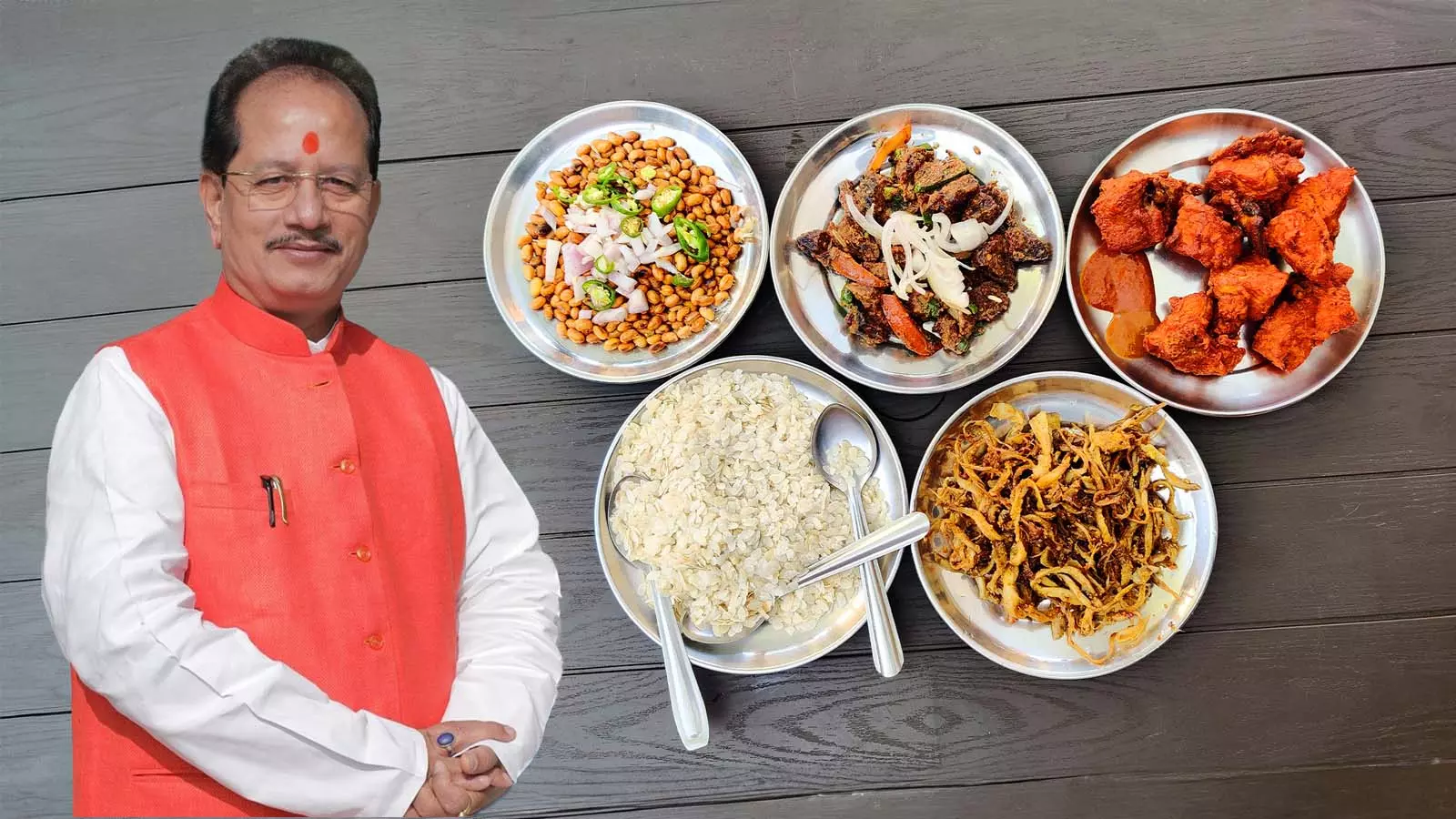
Meat spurs violence? Science begs to differ with Bihar Deputy CM's 'theory'
Vijay Sinha claims banning meat near schools will curb violent tendencies in children, but nutritional science suggests meat, in fact, curbs violent tendencies

Bihar Deputy Chief Minister Vijay Sinha stirred controversy on Monday when he announced a ban on meat and fish sales near schools and religious institutions, citing the need to "prevent violent tendencies" among children. It is a claim that finds no support in science — and one that nutritional research actively contradicts.
The argument is not new. It has been a recurring refrain from sections of the Hindu right wing that meat consumption breeds aggression and moral degradation. But a closer look at what nutrition science says about meat — particularly fish and red meat — tells a very different story.
Nutrition-rich
Meat, especially red meat and fish, is rich in tryptophan, an amino acid that the body converts into serotonin, the neurotransmitter most closely associated with calm, emotional stability, and well-being. It is low serotonin, not high, that is linked to aggression and impulsivity in clinical literature.
Watch/Read | Doctors urge caution after YouTube weight-loss hack turns fatal for TN student
Fish, which features prominently in the diets of many Bihar schoolchildren, is among the best dietary sources of omega-3 fatty acids. There have been studies by researchers like Joseph Hibbeln at the US National Institutes of Health on omega-3 deficiency and aggression, and a notable UK prison study by Bernard Gesch (published in the British Journal of Psychiatry, 2002) on micronutrient supplementation and violent behaviour.
The researchers looked into the role of omega-3 in reducing aggression, depression, and anxiety, with clinical trials showing measurable reductions in violent behaviour following omega-3 supplementation.
Vitamin deficiencies
The picture becomes sharper when one considers what deficiencies in meat-derived nutrients actually do to children.
Iron and Vitamin B12, found primarily in animal protein, are critical to cognitive function and emotional regulation. Their deficiency — already widespread in India, particularly among children — is associated with irritability, poor concentration, and mood disturbances.
Also read | Waist-to-height ratio better indicator for obesity risk than BMI: Study
Zinc, another nutrient sourced largely from meat, has been linked to increased anxiety and behavioural problems in children when absent from the diet. These findings are documented in paediatric nutrition literature and WHO reports on micronutrient deficiency.
Sinha maintained that the ban was not directed at any specific community. Bihar has a sizeable non-vegetarian population and produces nearly 4.2 lakh tonnes of meat and over 9.5 lakh tonnes of fish annually — figures that underscore just how embedded these foods are in the state's food culture and economy.