



FSSAI ‘advisory’ orders stricter labelling of herbal supplements, flags 16 entries
Document, once made official, would mandate manufacturers, importers, and marketers of herbal products to check if formulations, dosages, and labels meet applicable requirements

Manufacturers and sellers of herbal health supplements, nutraceuticals and other specialised food products could face tighter compliance scrutiny over ingredient usage and safety warnings under a document attributed to India’s food regulator that calls for immediate corrective action on product labels.
‘Advisory’ orders review of formulations, packaging
The advisory, dated October 15 and attributed to the Food Safety and Standards Authority of India (FSSAI), directs food business operators to review product formulations and packaging against existing rules governing botanical ingredients. It includes an annexure covering 16 numbered botanical entries, with prescribed adult usage ranges and cautions for certain consumer groups.
The document’s authenticity and official publication status could not be independently confirmed. FSSAI’s online advisories archive, checked on October 19, did not list the specific advisory among its published notices. The document’s contents should therefore be treated as provisional pending verification.
Also read: FSSAI’s new pesticide residue limits for tea: What consumers and industry need to know
If authenticated, the advisory would put manufacturers, importers and marketers of products containing specified herbs and plant extracts on notice to check whether their formulations, dosages and labels meet the applicable requirements.
Checks on ingredients, claims
The changes described are focused on compliance rather than a blanket prohibition on herbal ingredients. The document cites the Food Safety and Standards (Health Supplements, Nutraceuticals, Food for Special Dietary Use, Food for Special Medical Purpose, Functional Food and Novel Food) Regulations, 2016, which govern several categories of specialised food products.
Under the advisory, companies would need to ensure that botanical ingredients are used in accordance with applicable permitted limits and that prescribed warnings are displayed prominently and legibly. It also cautions against medicinal claims or suggestions that products can treat or cure disease.
Strict labelling of products recommended
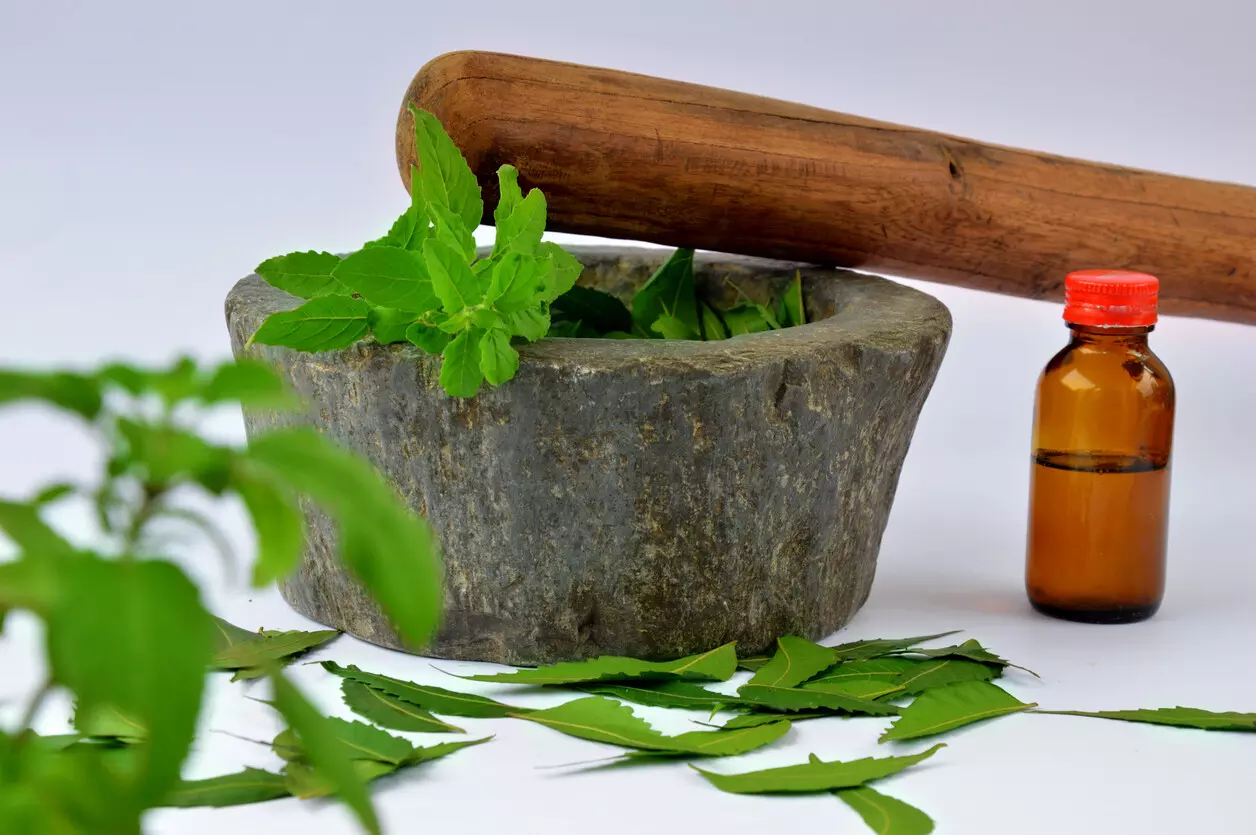
The annexure illustrates the potential implications for product labels. Neem leaf powder is listed at 1 to 3 grams a day for adults, alongside a warning that it is not recommended for men and women planning to conceive. Raw papaya is listed at 30 to 50 grams, with a caution against use during pregnancy. Other entries cover coffee seed, coleus, carrot seed, hibiscus flower, garden cress seed and several plants carrying warnings for children under five or pregnant women.
The quantities are presented in the context of regulated product use and should not be interpreted as universal safe-consumption recommendations. Product category, botanical part, extract concentration and other applicable restrictions may affect compliance.
Also read: FSSAI proposes ban on sucrose, fructose in foods for babies up to 6 months
The document says businesses should immediately comply with the specified labelling requirements and review existing products against the regulations, including Schedule IV, which covers plant and botanical ingredients. It warns that violations could trigger enforcement under the Food Safety and Standards Act, 2006.
Why is it a worry for companies?
The advisory specifically refers to Section 23, concerning packaging and labelling, and Section 52, which provides for penalties relating to misbranded food. It also warns that non-compliance could result in regulatory action, including suspension or cancellation of licences, depending on the applicable legal provisions and enforcement process.
For companies, the practical burden would extend beyond changing packaging artwork. Compliance reviews may require checking botanical identities, plant parts, ingredient specifications, daily serving sizes, extract ratios and supporting supplier documentation. Products with multiple herbs could require ingredient-by-ingredient assessment.
How is advisory different from existing regulations
The document does not specify a separate future implementation date; it calls for immediate compliance. However, the existing regulatory requirements it cites must be distinguished from any new obligations that the advisory itself might introduce.
FSSAI’s broader regulatory framework already requires relevant health supplements and nutraceuticals to carry prescribed information, including recommended usage, warnings, precautions, and contraindications where applicable. The significance of the purported advisory would be its emphasis on enforcing botanical-specific cautions and bringing existing product labels into compliance.
Also read: FSSAI proposes to ban ‘analogue paneer’: What new draft means for consumers
Until the original signed document is available through an authenticated official source, businesses should verify its status with FSSAI or their regulatory advisers before making material formulation or labelling decisions.