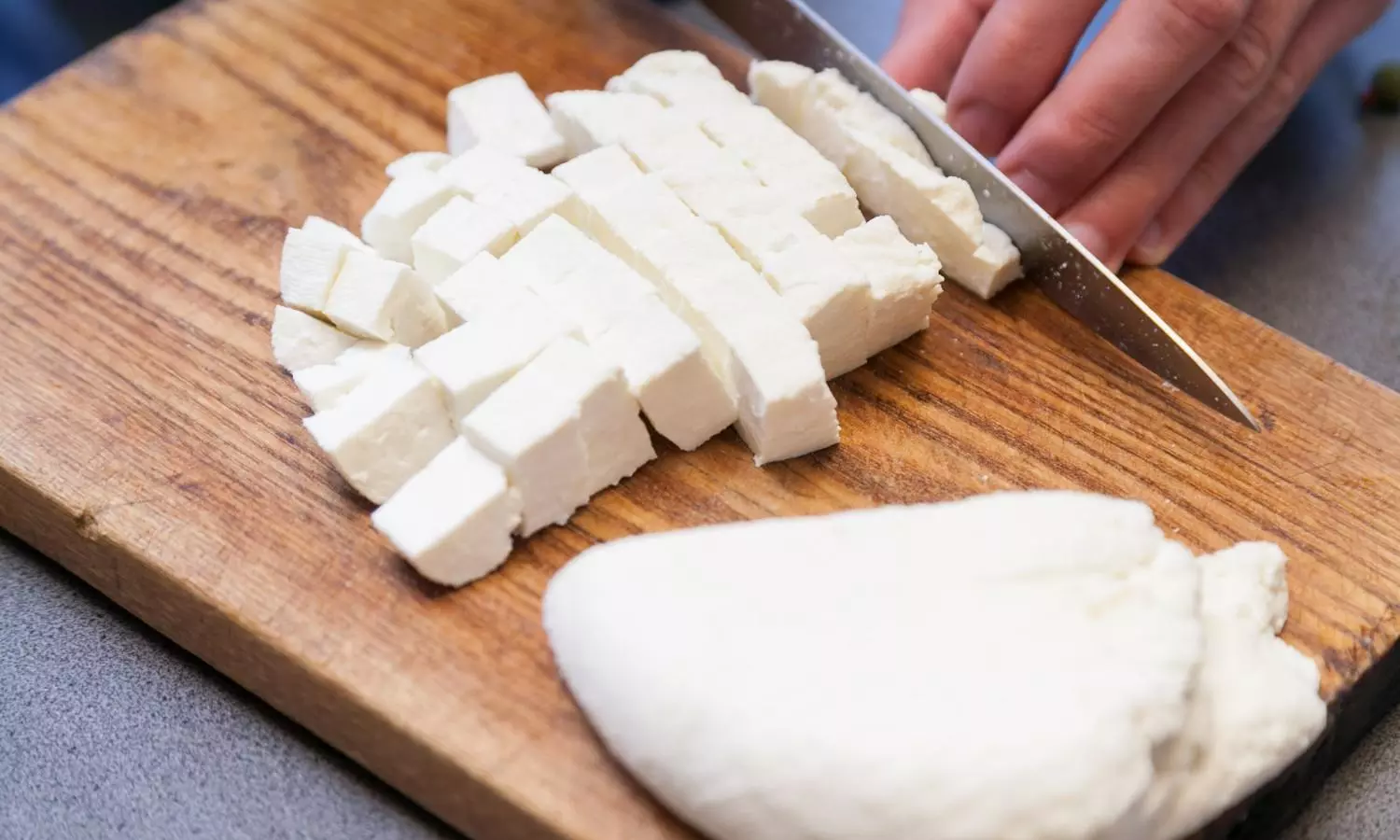
FSSAI proposes to ban ‘analogue paneer’: What new draft means for consumers
The latest notification is a draft regulation and not yet a final ban. FSSAI has invited objections and suggestions from persons likely to be affected by the proposed amendment

The Food Safety and Standards Authority of India (FSSAI) has proposed a new regulatory provision to restrict the manufacture and sale of analogue products as “paneer”, saying the move is aimed at preventing consumers from being misled about the nature and composition of the food product.
The proposal is part of the draft Food Safety and Standards (Prohibition and Restrictions on Sales) Amendment Regulations, 2026, notified by FSSAI on September 22 and published in the Gazette of India on September 23.
Under the draft, FSSAI proposes to insert a new clause into the Food Safety and Standards (Prohibition and Restrictions on Sales) Regulations, 2011. The proposed clause reads: “paneer made of constituents not derived from milk.”
Also read: Karnataka bans ‘analogue paneer’ sales for a year
The draft also specifically states that products already licensed or registered under the “Analogue in Dairy Context” category would have to discontinue the use of the term “paneer” in their nomenclature, labelling or marketing.
Why FSSAI has proposed the change
The stated objective of the amendment is to restrict the manufacturing and sale of analogue products as paneer “so as to prevent misleading of consumer's regarding the nature and composition of the product.”
The proposal comes against the backdrop of concerns over products designed to resemble conventional dairy foods while using constituents that are not derived from milk.
Under FSSAI's existing standards, paneer or chhana is a milk-based product. The existing standard describes chhana or paneer as a product obtained from cow or buffalo milk, or a combination of the two, through precipitation using permitted acidulants. Milk solids may also be used in its preparation.
The proposed amendment therefore seeks to establish a clearer regulatory distinction between milk-derived paneer and analogue products that are made using non-milk constituents.
What the draft would mean for analogue products
If the proposal is finalised in its current form, products falling under the “Analogue in Dairy Context” category would not be able to use the word “paneer” in their product nomenclature, labels or marketing.
The draft does not describe such products as “synthetic paneer”. Its regulatory language instead refers to analogue products and specifically addresses paneer made from constituents not derived from milk.
This distinction is significant because the proposed restriction is focused on the identity and representation of the product, rather than a blanket prohibition on all non-dairy food products.
The proposal follows earlier regulatory action
The latest draft follows FSSAI's action earlier this year concerning cheese analogues being sold as paneer.
In April 2026, FSSAI's Western Region issued a public notice stating that selling a cheese analogue as “paneer” constituted a violation. It directed manufacturers to use accurate and unambiguous product names and asked food-service establishments to ensure that cheese analogues were not used under the name paneer.
The notice also directed food-service establishments to clearly disclose the use of cheese analogues, wherever applicable, on menus or display boards so that consumers were not misled. Regulatory officers were directed to conduct inspections of units manufacturing and using cheese analogues in the dairy context.
The September draft now proposes to put the restriction into the regulations governing prohibited and restricted sales.
Draft, not yet a final rule
The latest notification is a draft regulation and not yet a final ban.
FSSAI has invited objections and suggestions from persons likely to be affected by the proposed amendment.
The draft states that it will be taken into consideration after the expiry of 60 days from the date copies of the Official Gazette are made available to the public.
Until the consultation process is completed and a final regulation is notified, the proposed provision should therefore not be treated as an already implemented nationwide rule.
If finalised in its present form, however, the proposal would establish a clear regulatory line: products made from constituents not derived from milk would not be able to use “Paneer” in their nomenclature, labelling or marketing.
For consumers, the stated objective is greater clarity over what they are buying.
For food businesses and manufacturers, the proposal could require changes to product names, labels and promotional material for products currently covered under the “Analogue in Dairy Context” category.