



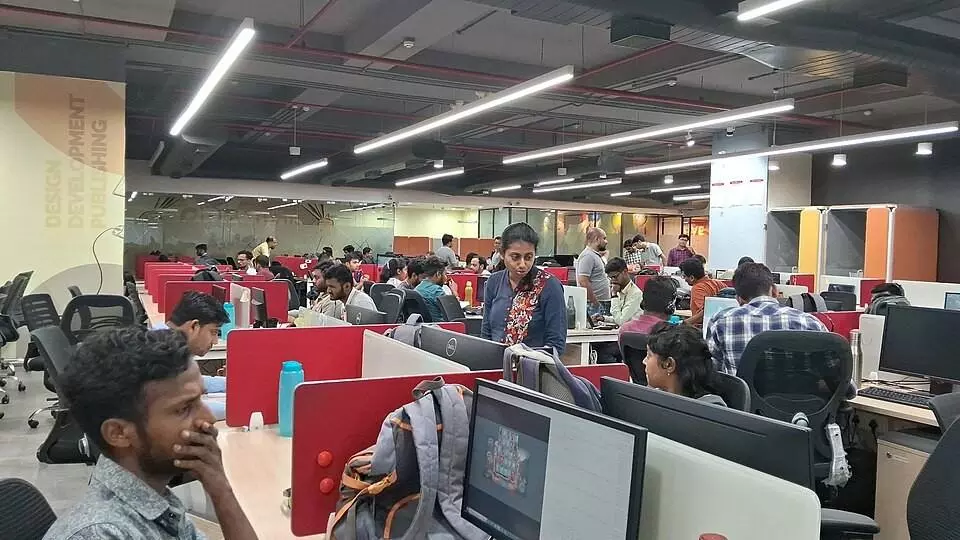
Prolonged sitting, workplace stress, inadequate sleep, tobacco consumption, and unhealthy eating habits can contribute to high blood pressure and cardiovascular risk. Representative image: Wikimedia Commons
Why men in their 30s should not skip regular check-ups
On International Men’s Day, it’s pertinent to remind men about the importance of timely health checks, particularly for those with sedentary lifestyles and a family history of chronic illness

Men in their 30s often find themselves balancing demanding jobs, family responsibilities, and increasingly sedentary routines. In the process, regular health check-ups tend to take a back seat, with many seeking medical attention only when symptoms become difficult to ignore. Doctors, however, warn that several chronic conditions, including hypertension, diabetes, cardiovascular disease, fatty liver, and kidney disorders can develop silently and may remain undetected for years.
An analysis of nearly 78,000 diagnostic investigations among men aged 30 and above conducted by Mahajan Imaging & Labs over a period of six months found more than 13,000 abnormal or critical findings across cardiology, pathology, and radiology services. Nearly 46 per cent of cardiac investigations reported abnormal findings, while more than 20 per cent of chest X-rays showed abnormalities. Around 2 per cent of pathology investigations yielded critical results requiring immediate medical attention.
Importance of preventive healthcare
The findings highlight the importance of not overlooking preventive healthcare, particularly as lifestyle-related health risks increasingly affect younger adults. However, abnormal diagnostic findings do not necessarily indicate a confirmed disease and require clinical evaluation.
Also Watch: How Chennai has taken to men’s grooming | International Men’s Day
"Men often prioritise their professional responsibilities and family commitments over their own health. Conditions such as heart disease, hypertension, diabetes, fatty liver, and kidney disorders may remain undiagnosed because they do not always cause noticeable symptoms in the early stages," said Dr Harsh Mahajan, founder and chairman of Mahajan Imaging & Labs.
He added that early detection can enable timely intervention and help reduce the risk of complications such as heart attacks and strokes.
Cardiovascular, diabetes risk
Cardiovascular health is among the key areas requiring attention. Prolonged sitting, workplace stress, inadequate sleep, tobacco consumption and unhealthy eating habits can contribute to high blood pressure and cardiovascular risk. A lipid profile helps assess cholesterol and triglyceride levels, while regular blood pressure monitoring can identify hypertension.
According to the analysis, the positivity rate among cardiac investigations increased with age, from 11 per cent among men aged 30-40 to 15 per cent in the 40-50 age group and 20 per cent among those above 50.
Also Read: Budget | Health expenditure rises to Rs 1.15 lakh-cr, but challenges remain
Diabetes is another condition that can go unnoticed for years. Men who are overweight, physically inactive, or have a family history of diabetes may be at greater risk. Fasting blood glucose and HbA1c tests can help identify abnormal sugar levels. While the former measures blood glucose after an overnight fast, HbA1c provides an estimate of average blood sugar levels over approximately three months.
Kidney and liver health need attention
Kidney and liver health also deserve attention. Diabetes and hypertension are major risk factors for chronic kidney disease, which may progress without obvious warning signs. Kidney function tests, including serum creatinine and estimated glomerular filtration rate (eGFR), help assess kidney function. A urine albumin-to-creatinine ratio can help identify early kidney damage.
Similarly, obesity, excessive alcohol consumption, and metabolic disorders can increase the risk of fatty liver disease. Liver function tests may help assess liver health, while an ultrasound or FibroScan may be advised when further evaluation is clinically warranted.
‘Don’t wait for symptoms to appear’
"Men should not wait for symptoms to appear before taking care of their health. Regular preventive check-ups, including blood pressure monitoring, blood sugar tests, lipid profiles, and kidney and liver function assessments, can help identify potential concerns early," said Dr Prabhat Kumar, senior consultant, internal medicine, Kailash Hospital & Neuro Institute.
Also Read: Lack of regular health check-up behind upswing in chronic kidney disease: experts
He also highlighted the role of physical inactivity, irregular eating habits, inadequate sleep, tobacco use, and stress in influencing long-term health. Men with a family history of chronic conditions should discuss their individual screening requirements with a doctor.
Nutritional deficiencies another area of concern
Nutritional deficiencies are another concern that can sometimes be overlooked. Persistent fatigue, weakness, and low energy may warrant investigation through a haemogram, vitamin B12 and vitamin D tests, or thyroid function assessments, depending on symptoms and clinical history.
Doctors caution that preventive screening should not mean undergoing every available diagnostic test. The appropriate investigations and their frequency depend on age, family history, lifestyle, existing conditions, and individual risk factors. A consultation with a healthcare professional can help determine which tests are necessary.
Also Read: World Liver Day: 'Be vigilant, do regular liver check-up, fatty liver can affect anyone'
For men entering their 30s, the larger message is that healthcare should not begin only after illness becomes apparent. Regular monitoring, healthier lifestyle choices, and timely medical advice can help identify potential problems before they develop into more serious complications.