








Houthi attacks on Saudi: Drone shot down near Mecca; crown prince seeks Egypt's support
The Houthi offensive has opened up a new front in the Mideast's war and boosted the hand of Iran, Saudi Arabia's traditional arch rival in the region, which has attacked shipping through the region's other major maritime route, the Strait of Hormuz in the Persian Gulf

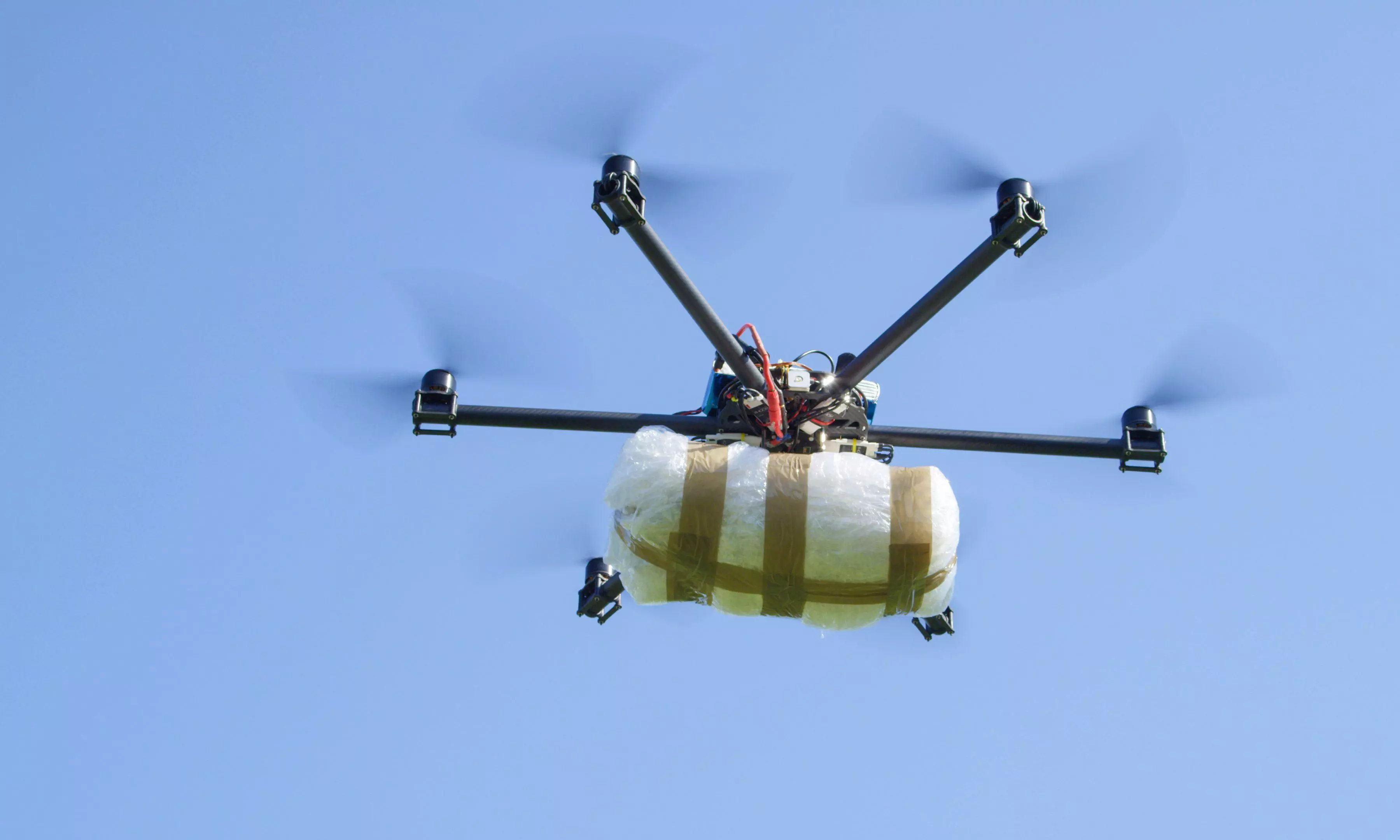
Saudi Arabia said it intercepted and destroyed a Houthi drone headed for Mecca, Islam's holiest city, on Tuesday evening (September 15).
Saudi military spokesperson Major General Turki al-Malki confirmed shooting down of the drone before it entered the airspace over Mecca and said the security of the holy city is “a red line", and added that Saudi forces will not hesitate to act against “hostile and terrorist behaviour".
Also read: US plans to send powerful bombs to Israel in USD 2.8 billion weapons sale
The Houthis, however, have denied firing drones towards Mecca. Yemen's Houthi rebels later claimed that they shot down Saudi Arabia’s F-15 fighter jet.
"The Yemeni Armed Forces, with Allah's aid and grace, succeeded in shooting down a Saudi F15 fighter jet while it was carrying out hostile operations in support of its military mobilisations in the airspace of Marib province," Houthi military spokesman Yahya Saree said on social media.
Pakistan PM condems attempted drone attack
Pakistan’s Prime Minister Shehbaz Sharif on Wednesday condemned the attempted drone attack on Mecca.
“I condemn in the strongest possible terms the dastardly and heinous attempted drone attack,” Sharif said in a post on X (Formerly Twitter).
Also read: 'There was no parachute': US airman recalls surviving 50 hours in Iran after F-15E crash
“The people of Pakistan are saddened and perturbed by this outrageous act. There can be no words strong enough to capture the depth of anguish and sorrow felt by us at this reprehensible and unforgivable act,” he said.
In recent days, Houthi fighters made dramatic advances, seizing the Red Sea port of Mokha and three strategic islands in and near the Bab el-Mandeb Strait.
Saudi crown prince seeks Egypt's support
Amid the increased attacks by Houthis, Saudi Arabia's crown prince has sought the backing from the president of Egypt, his ally across the Red Sea.
Saudi Arabia has largely been on its own in confronting the Iranian-backed rebels, who rapidly captured more territory in Yemen over the past week and strengthened their ability to choke off Saudi oil exports out of the Red Sea.
The Houthi offensive has opened up a new front in the Mideast's war and boosted the hand of Iran, Saudi Arabia's traditional arch rival in the region, which has attacked shipping through the region's other major maritime route, the Strait of Hormuz in the Persian Gulf.
Crown Prince Mohammed bin Salman met in Cairo with Egyptian President Abdel-Fattah el-Sissi. The crown prince said in a statement that they both confirmed “their shared commitment to ensuring freedom and security of maritime navigation” in the Red Sea and the Bab el-Mandeb Strait, the choke point at the sea's southern end.
El-Sissi's office put out a statement expressing “Egypt's unwavering position in supporting Saudi Arabia.” Neither side gave firm details on any future steps.
While Egypt is unlikely to offer military help to Saudi Arabia, the country is influential in the Arab world and can help rally support. Egypt has been at the centre of mediation efforts in the last three years of turmoil in the region, keeping open relations with all parties, including Iran and its allies.
Turkiye and Pakistan say Saudis haven't asked for
The attacks are the first test of a new defence pact among Saudi Arabia, NATO member Turkiye and nuclear power Pakistan. But officials from Turkiye and Pakistan told The Associated Press (AP) they have not received a Saudi request for support in response to the Houthis' escalation.
The Turkish official added that efforts to “institutionalise” the alliance need to be completed before the pact becomes operational. The officials spoke on condition of anonymity because they were not authorized to speak publicly on the issue.
For now, US is staying out of fight
The United States has sold billions of dollars in weapons to Saudi Arabia and has committed to providing training and other support to protect the kingdom, but top US officials in recent days have indicated a lack of desire to get involved in the conflict.
“The Houthis called us, and they don't want to fight with us,” US President Donald Trump said Saturday, adding that the rebels appear focused on the Saudis.
Vice President JD Vance on Monday said Washington had been in “constant contact” with the Saudis and had been “engaged in direct conversations with the Houthis themselves,” calling it “a very fluid and dynamic thing” to be monitored.
On the ground, forces with Yemen's internationally recognised government have said they are regrouping to combat the Houthis after fleeing the rebels' advance. But those forces are a collection of armed groups with varying aims.
(With AP inputs)