








Iran shuts Strait of Hormuz again as Israel-Hezbollah fighting threatens peace deal
Despite fresh fighting in Lebanon and the renewed closure of the Strait of Hormuz, Tehran and Washington have signalled willingness to continue diplomatic engagement

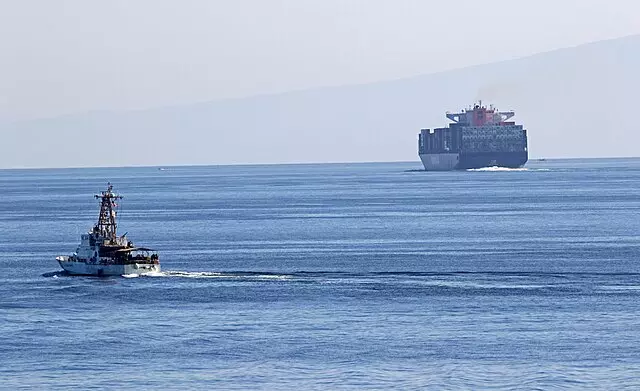
Iran’s joint military command said on Saturday (June 20) that the Strait of Hormuz has been closed again, citing Israeli attacks in Lebanon and US “bad faith” and “its clear breach of its commitments” by failing to end the war.
The statement on state television also warned that “if the aggression continues, subsequent steps have been planned.” Ships had begun transiting the strait after the interim US-Iran agreement was signed earlier in the week.
“It is hereby announced that the Strait of Hormuz will be closed to vessel traffic; It is noted that this first step is a response to the enemy’s breach of promise, and if the aggression continues, further steps will be planned and taken to force the enemy to comply with its obligations,” the Khatam-al Anbiya Central Headquarters said in a statement carried by state TV.
Ceasefire hopes under strain
Israeli strikes on southern Lebanon on Saturday killed at least 16 people, including two children, hours after reports emerged of a ceasefire agreement. The persistent fighting threatened an interim agreement between the US and Iran to end the war in the Middle East.
Also read | Trump may claim victory but MoU shows Iran had the last laugh
Lebanon’s National News Agency said the strikes hit the southern town of Nabatiyeh and nearby villages. At least seven people remained trapped under the rubble, it said.
Mediators were scrambling to halt the fighting between Israel and the militant Lebanese Hezbollah group, after a heavy exchange on Friday killed at least 47 people in Lebanon and four Israeli soldiers.
An Israeli military official said Hezbollah had fired more than 50 projectiles at Israeli forces in southern Lebanon overnight, prompting the military to start targeting the militant group there.
The official spoke anonymously in line with regulations. The army said it struck dozens of Hezbollah targets and militants in southern Lebanon, including rocket-launching positions and Hezbollah command centers.
On Friday, Israeli ambassador to Washington, Yechiel Leiter, said on X that Israel “remains firmly committed to an immediate ceasefire” if Hezbollah honours the agreement and ceases hostilities.
On Saturday, Hezbollah said it had committed to the ceasefire but blamed Israel for violating it several times on Friday night. A statement issued by the group's military wing said it would abide by the ceasefire but would also repel attacks by Israeli troops.
Fighting imperils US-Iran deal
Hezbollah and Israel went to war just days after the US and Israel launched strikes on Iran on February 28, with Hezbollah firing rockets and drones at civilian communities in northern Israel and Israel seizing large swaths of southern Lebanon.
The interim US-Iran agreement signed earlier this week had reopened the Strait of Hormuz after Iran initially shut the vital waterway during the conflict, disrupting global oil and gas supplies. The deal also envisaged the resumption of talks on Iran's nuclear programme, a core issue in the war.
Neither Israel nor Hezbollah are signatories to the deal, which calls for a halt to military operations in Lebanon and for the country's sovereignty to be respected. With the fighting continuing, the accord is under threat and US-Iran talks in Switzerland, planned to start Friday, have been delayed, with no new date announced.
Israeli Prime Minister Benjamin Netanyahu has vowed to keep Israeli forces in southern Lebanon until any threat to Israel is eliminated. Hezbollah has refused to halt its attacks unless Israel commits to withdrawing from Lebanon, which Iran says is also a condition of the deal.
A new round of US-backed talks between the Lebanese government and Israel is expected to take place in Washington next week.
Diplomatic efforts gain pace
Despite the continued fighting, diplomatic efforts to salvage the agreement appear to be gathering pace with Pakistan and Qatar holding a flurry of talks across Switzerland, Iran and Egypt to revive stalled negotiations.
Also read | Iran waives Hormuz transit fees, US lifts blockade, but conditions apply
Tehran has also signalled its readiness to move forward with Washington, provided the US guarantees Israel's adherence to the terms of the ceasefire agreement, according to Al Jazeera. Iranian state television says the country’s negotiating team is going to Switzerland for talks with the United States over their interim deal on the war.
US Vice President JD Vance has also indicated that high-level engagement with Tehran could be imminent, saying he expects to travel to Switzerland for talks with Iranian officials in the coming days. “I expect that I will leave sometime in the next couple of days, but it’s always a delicate coordination dance and the diplomatic protocols,” Vance told Fox News in an interview.
(With agency inputs)