








LIVE: US, Iran confirm reaching peace deal; Hormuz to open on June 19
Trump announces deal on Truth Social; Iran says truce will stop conflicts on all fronts, including Lebanon

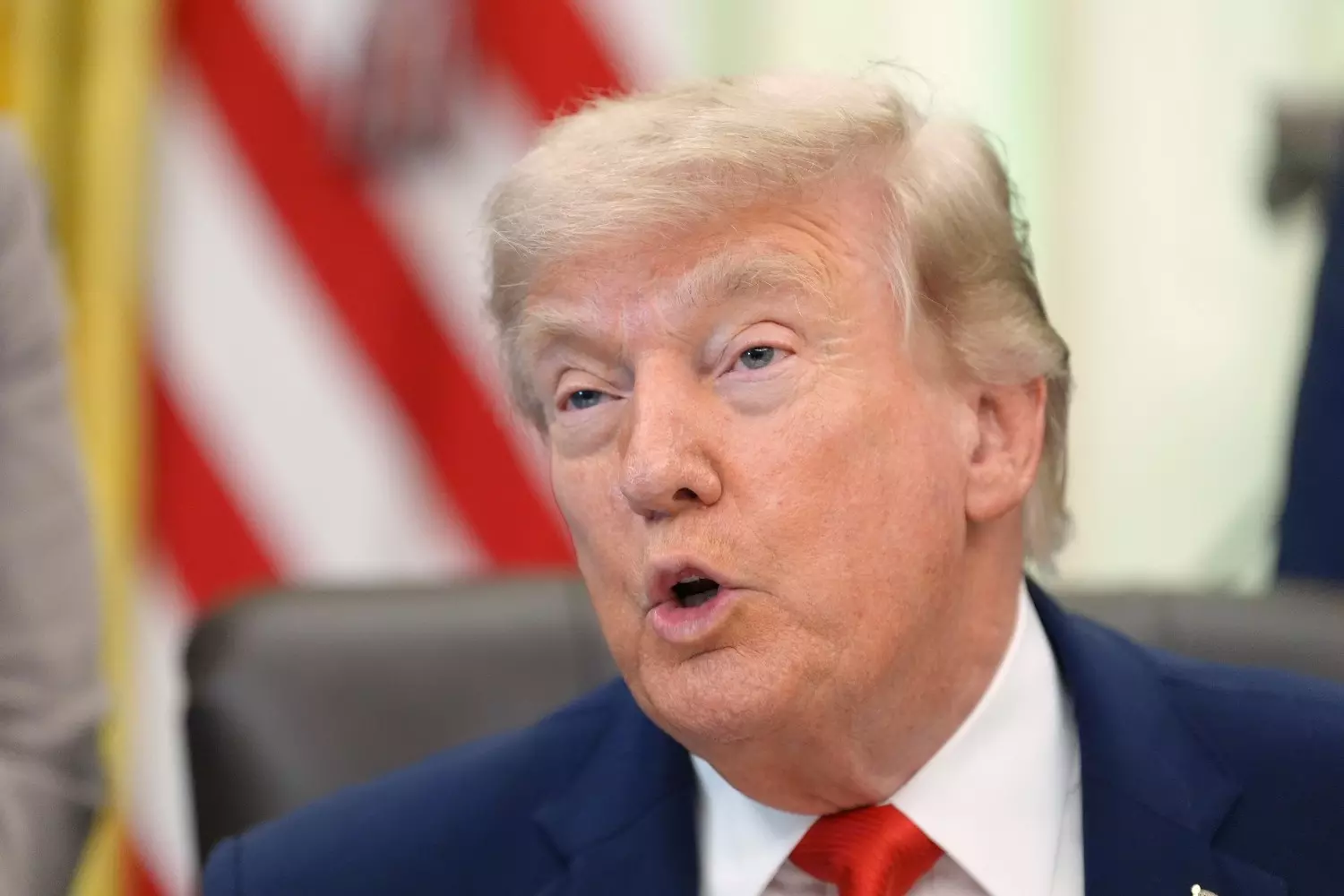
In a development that promises to bring normalcy after months of unrest in the Middle East and ease trade bottlenecks, US President Donald Trump has announced that America and Iran have finalised a deal to end their 107-day war. The deal is set to open the Strait of Hormuz and end the US naval blockade on Iranian ports.
Iran too has confirmed that it has reached a deal with the US to stop the conflict on all fronts including in Lebanon.
Final print being readied
The peace deal, as per Pakistan Prime Minister Shehbaz Sharif, is set to be signed on June 19 in Switzerland.
Broader negotiations on issues like Iran's nuclear program are expected to continue over the next 60 days.
According to Al Jazeera, Qatari mediators have said they are holding separate meetings with US and Iranian officials in Doha this week to iron out any differences between the two parties.
Trump's post
“The Deal with the Islamic Republic of Iran is now complete. Congratulations to all,” Trump said in a post on Truth Social on Sunday (June 14) evening, easing pressure on the global energy markets.
“I hereby fully authorise the toll-free opening of the Strait of Hormuz and, simultaneously, authorise the immediate removal of the United States Naval blockade. Ships of the World, start your engines. Let the oil flow!” Trump said. He, however, clarified later that Hormuz will be opened only after the deal is inked on Friday.
Global markets upbeat
Several world leaders, including Prime Minister Narendra Modi and UN chief Antonio Guterres have welcomed the truce.
Although the truce will ensure the opening of the Strait of Hormuz, closing which had caused a global energy crisis, experts say it will not translate into the immediate restoration of supplies.
It is, however, expected to take benchmark Brent crude, which is $83 a barrel, to $72, providing immediate succour to the cost of living in nations affected by the crisis. Share prices soared on Monday in Asia after the deal was announced. Benchmarks in Tokyo and Seoul gained more than 5 per cent early Monday. Oil prices fell more than $3 a barrel.
It may take months for oil prices to stabilise after the disruptions from the war caused them to surge, pushing up the costs of petrol and many other products. Energy experts said shipping and insurance companies will want to be confident the pact will hold, ensuring that oil and gas supplies will flow freely enough for the world's needs to be met.
Read The Federal’s stories on the US-Iran war:
Will Iran and the US sign an MoU? Hope persists despite hurdles
Netanyahu's Lebanon gambit risks derailing Trump's Iran peace deal
US retreat, Israel’s isolation, India’s dilemma: Gulf crisis exposed more than limits of force
The duplicity behind Trump's push to disarm Iran
US-Iran interim deal may be hailed, but imponderables loom
Now, Trump looks at rival Xi to bail him out of Iran messLive Updates
- 15 Jun 2026 12:16 PM IST
Crude oil futures tank over 5 pc as US-Iran peace deal revives supply outlook
Crude oil futures fell more than 5 per cent and slid to a three-month low of Rs 7,624 per barrel on Monday (June 15) after the US and Iran reached a peace agreement and the reopening of Strait of Hormuz triggered a sharp sell-off in energy markets.
On the Multi Commodity Exchange (MCX), crude oil for June delivery declined Rs 449, or 5.56 per cent, to Rs 7,624 per barrel in a business turnover of 10,716 lots.
The oil for July delivery also dropped Rs 422, or 5.3 per cent, to Rs 7,546 per barrel in 5,110 lots.
Extending the sharp correction witnessed last week, crude oil futures remained under heavy selling pressure as traders continued to unwind positions built during the West Asia conflict.
Last week, crude oil had declined 6.3 per cent on the MCX.
Analysts said the domestic benchmark has now slipped to its lowest level since March 11, when it was at Rs 7,558 per barrel.
- 15 Jun 2026 12:14 PM IST
Meet the key players of US-Iran peace deal
Here is a look at the key players shaping diplomacy on all sides.
Donald Trump: The US president, who has focused much of his second-term foreign policy on the idea that he is a peacemaker, has been the driving force behind the push for a deal with Iran. He has positioned the deal as a signature foreign policy achievement of his second term.
JD Vance: The US Vice President has been a key figure in the administration's war cabinet, helping shape Washington's negotiating posture as the conflict entered its fourth month. Vance has been closely involved in deliberations over the terms of the 14-point memorandum of understanding that forms the basis of the emerging deal. He led the US delegation during the marathon talks with Iran held in Islamabad in early April.
Steve Witkoff: Trump's special envoy and point man for West Asia, Witkoff, has led the American negotiating team in back-channel talks with Iranian interlocutors. He has been instrumental in hammering out the framework deal, working closely with Pakistani mediators to bridge the gaps between the two sides.
Jared Kushner: Trump's son-in-law and a former senior White House adviser, now operating in an informal capacity, has been part of the broader American diplomatic effort, drawing on his West Asia contacts from Trump's first term to help facilitate the negotiations, alongside Witkoff and Vance.
Ali Larijani: The secretary of the powerful Supreme National Security Council was the de facto leader of Iran after the assassination of Supreme Leader Ali Khamenei on February 28 until his own killing in mid-March in US-Israeli strikes.
Abbas Araghchi: Iran's Foreign Minister emerged as one of Iran's most influential voices in foreign affairs during the conflict with the US. The diplomat has played a key role in managing Iran's relationships with global powers, neighbouring countries, and international institutions. He has been the main representative for Iran in discussions with Pakistan's mediating team.
Mohammad Bagher Ghalibaf: The Speaker of Iran's Parliament, viewed as a hardliner, has been a key figure in Iran's peace talks with the United States. He was Iran's chief negotiator in the first direct talks with the US in decades, held in Islamabad in early April.
Field Marshal Asim Munir: Pakistan's Army Chief has played a crucial role in shaping Islamabad's mediation efforts, making it the country's most significant diplomatic intervention in decades. His behind-the-scenes communications with both American and Iranian representatives have been largely credited with preventing the talks from falling apart.
Shehbaz Sharif: The Prime Minister of Pakistan has taken a prominent role as a mediator in the discussions, revealing on X this past Saturday that the agreement is expected to be finalised "within the next 24 hours" and signed electronically. Earlier, Pakistan hosted the first direct talks between the US and Iran in 47 years in April.
Ishaq Dar: Pakistan's Deputy Prime Minister and Foreign Minister has played a crucial role in Islamabad's mediation efforts. He has engaged in talks with US Secretary of State Marco Rubio, Iranian Foreign Minister Araghchi, and foreign ministers from numerous countries around the world.
Additionally, he has been coordinating with regional partners, including Turkey and Qatar, to ensure that diplomatic efforts continue.
Mohsin Naqvi: Pakistan's Interior Minister, a key ally of Army Chief Munir, travelled to Tehran multiple times for meetings with the Iranian leadership as part of Islamabad's push to de-escalate tensions in the region. His visit was seen as a confidence-building measure ahead of the anticipated signing.


