








Iran says Hormuz will never return to pre-war state, will remain under its control
Top Iranian negotiator Mohammad Bagher Ghalibaf says hotline set up for Hormuz to prevent, resolve any misunderstanding; asserts Iran still doesn’t trust the US

Iran’s chief negotiator and parliamentary speaker, Mohammad Bagher Ghalibaf, has said that the Strait of Hormuz will “never return to what it was before the war” and will continue to be controlled by Iran.
Ghalibaf’s statement comes following the signing of a Memorandum of Understanding (MoU) by warring America and Iran to achieve a permanent end to hostilities within a 60-day window. One of the key features of the MoU is the reopening of the Strait of Hormuz, a significant trade choke point for oil and gas supply, which connects the Persian Gulf with the Gulf of Oman and the Arabian Sea, and the blockage of which by Iran had severely hit the economy of nations depending on the Middle East for oil and gas.
Hotline for Hormuz
“I was among the first to say clearly at the start of the war, everyone should know that management of the Strait of Hormuz will never return to the way it was before the war,” Ghalibaf said during his interaction with Iranian media while on his way back from negotiations in Switzerland on Tuesday (June 23).
Also read: US-Iran deal mentions $300 bn to rebuild Iran; who will foot the bill?
Ghalibaf, however, said that Tehran has agreed to set up a “telephone hotline” for Hormuz to “prevent and resolve any misunderstanding” on the passage of ships through the Strait.
Ghalibaf said the hotline will offer “the highest level of safety and traffic flow” while assuring that Iran will strictly adhere to the implementation of international laws and take quick actions to resolve problems and misunderstandings.
Apart from the hotline, the US and Iran have also decided to set up a centre to help coordinate the passage of ships and help them in case of any issues or ambiguities.
‘No trust in the US’
Stating that Iran has no trust in America, Ghalibaf said the Iranian team during the negotiations protested and pressured the US into changing a social media post by President Donald Trump. Trump, in the post had warned Iran against supporting “proxy groups”, a hint to Lebanon and Hezbollah. He said the US changed the post within an hour of the protest.
Also read: Iran, US agree on 60-day roadmap to reach final peace deal
“We have never trusted the Americans; we don’t trust them now, and it is only reasonable to remain distrustful in the future,” he said.
Deal on frozen funds
The Iranian negotiator also announced that during talks with US officials in Switzerland, it was agreed to release $12 billion in frozen Iranian assets to Tehran.
The US waived all sanctions on Iran for 60 days, effective from Monday following the signing of the MoU in Switzerland. US President Trump, however, has warned that he will “do what I have to do” if Iran doesn’t hold its side of the bargain. The US Treasury issued a 60-day license on Monday, waiving sanctions on Iranian oil as part of the interim agreement. Notably, the license allows Iranian oil to be imported into the US, which has not imported significant amounts of Iranian oil since the 1990s.
Tanker traffic picks up at Hormuz
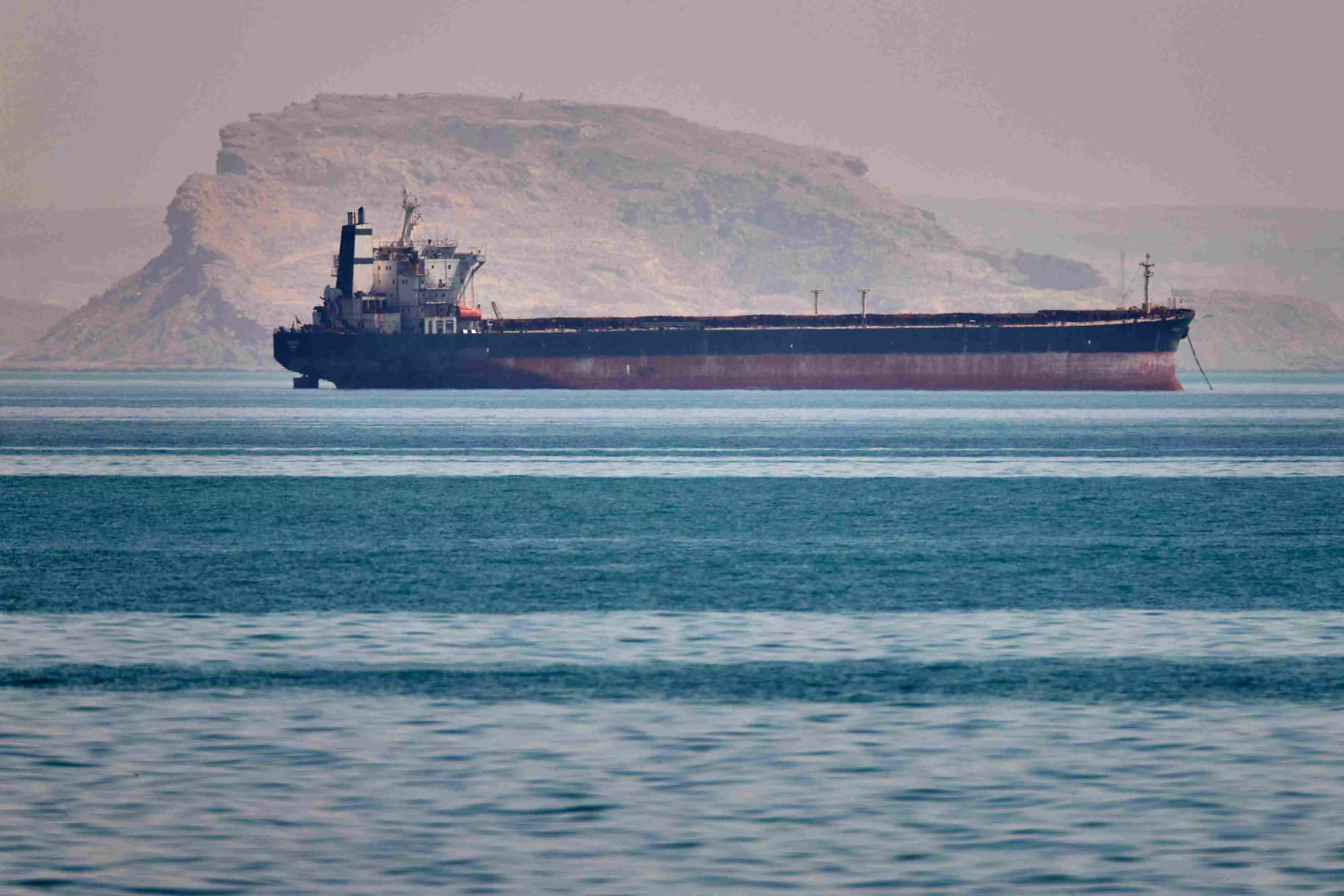
Iran effectively closed the Strait of Hormuz after the US and Israel attacked on Feb 28, causing fuel prices to skyrocket far beyond the region. The interim agreement to end the war was supposed to reopen the channel. Dozens of ships passed through it over the weekend, even though the main route is still mined and closed.
According to AP, Tanker traffic continued to pick up through the Strait of Hormuz. According to data and analytics firm Kpler, there were 71 confirmed transits over the weekend, with a peak of 35 crossings on Saturday. Before the war, 100 to 130 vessels passed through the strait each day.
Also read: Trump may claim victory but MoU shows Iran had the last laugh
Ships have been avoiding the central route to steer clear of mines, choosing instead to use the smaller northern route, which goes through Iranian waters, and the southern route, which goes through Omani waters.