








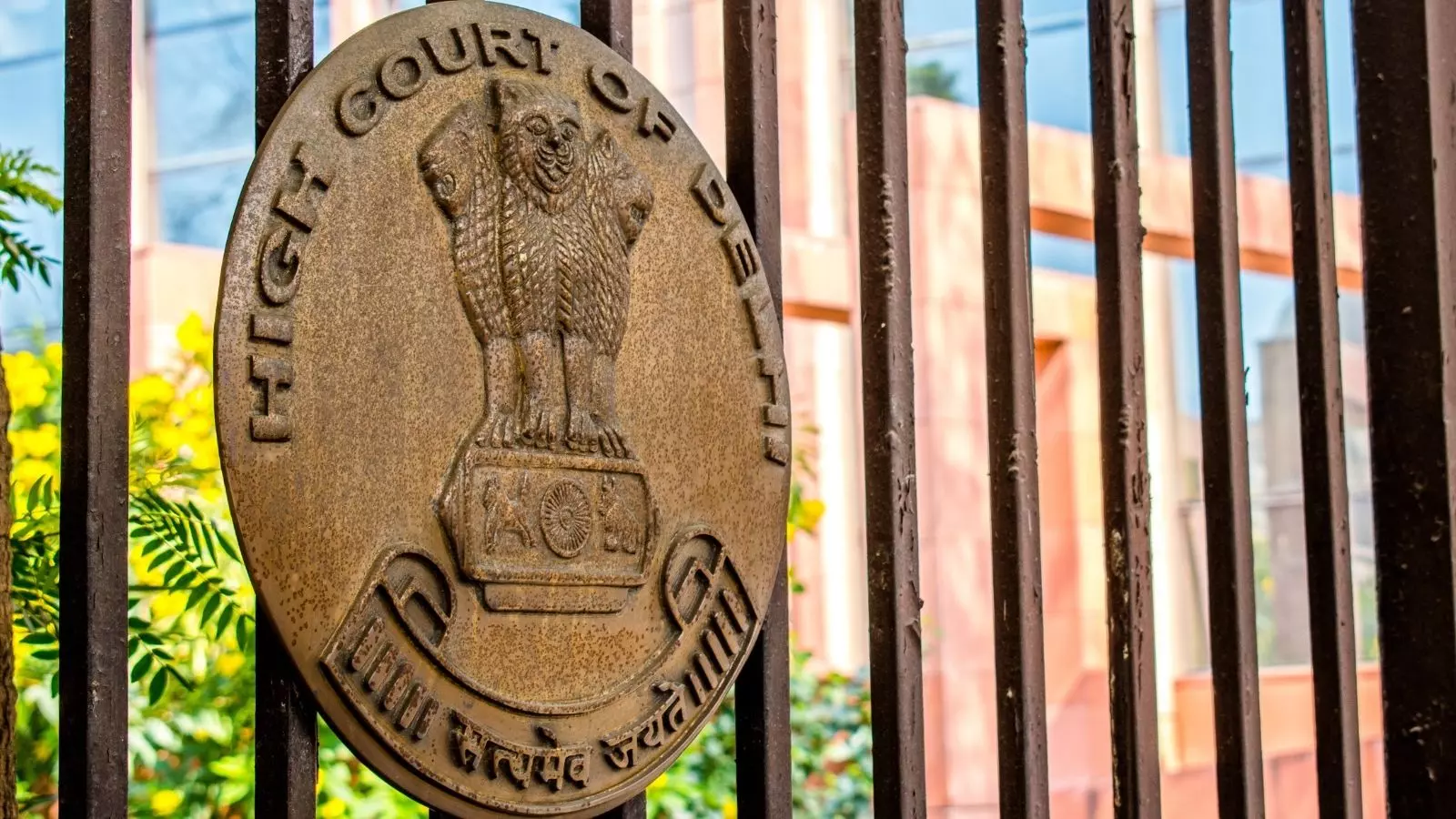
India Kanoon challenges Delhi High Court order on 'right to be forgotten'
The legal database platform has challenged the Delhi High Court's right to be forgotten ruling, arguing de-indexing and search restrictions undermine open justice.

Legal research platform India Kanoon on Tuesday (July 14) moved the Delhi High Court against an order that upheld an individual's "right to be forgotten" and directed the platform to de-index certain judicial orders while also disabling its "name-based search functionality" in relation to those records.
Appearing for IKanoon Software Development Pvt Ltd, counsel informed a bench comprising Chief Justice D K Upadhyaya and Justice Tejas Karia that a senior advocate would be leading the matter. The counsel requested that the appeals challenging the single judge's ruling be listed for hearing on July 21.
"List on July 21," the bench ordered.
Appeal against HC ruling
Proceedings on Tuesday were affected by lawyers abstaining from work after the Delhi High Court's full court expressed support for raising the pecuniary jurisdiction of district courts in the national capital from Rs 2 crore to Rs 10 crore.
Also Read: Delhi HC recognises 'right to be forgotten', orders de-indexing of acquittal, settled case records
In its appeal, India Kanoon argued that the May 29 judgment delivered by the single judge contains "general and vague" directions that undermine the public's right to information and the principle of open justice.
India Kanoon objects
The company contended that the ruling broadens the scope for censorship by introducing what it described as an arbitrary standard for de-indexing content and disabling name-based searches. According to the appeal, these directions infringe upon the platform's right to carry on trade, occupation and profession under Article 19(1)(g) of the Constitution.
Also Read: Why Delhi HC judgment on ‘right to be forgotten’ has the legal fraternity divided
De-indexing is the process of removing a particular web page or website from a search engine's database so that it no longer appears in search results.
The appeal also maintained that the single judge had incorrectly interpreted the Supreme Court's nine-judge ruling in the K S Puttaswamy case concerning the right to privacy.
Privacy ruling cited
It argued that although the landmark judgment examined the idea of the right to be forgotten, it did not recognise an unrestricted right to erase or remove information from judicial records.
Also Read: Delhi HC refuses immediate relief to Cockroach Janta Party in X account blocking case
The single judge said while transparency is integral to judicial independence and accountability, the continued association of an individual's name with a judicial record online causes disproportionate harm to their informational privacy, dignity and reputation, which is not justified by any legitimate public interest.
The judgment also stated that while the concept of 'open justice' requires that judicial records be maintained and remain accessible to those with a legitimate purpose, it does not require that a private individual's name be used as a "permanent and unlimited retrieval key, through a commercial search engine" by any internet user to instantly access his engagement with legal processes.
Despite any de-indexing, the court records continue to remain accessible by case number, citation or other purposeful search, it added.
Lawyers boycott proceedings
Meanwhile, lawyers here were abstaining from work to oppose the proposed change in the pecuniary jurisdiction of the district courts. Currently, the high court hears civil and commercial matters valued above Rs 2 crore, but with the proposed change, district courts will be able to hear cases valued up to Rs 10 crore.
The Delhi High Court Bar Association has opposed the move, citing its impact on the lawyers' practice, livelihood and professional interests.
(With agency inputs)