








Pawan Kalyan on delimitation: Opposition's concerns valid, but not a North-South issue
Pawan Kalyan acknowledges Southern states' concerns over delimitation but criticises attempts to turn the issue into a North-South divide, citing Amit Shah's assurances

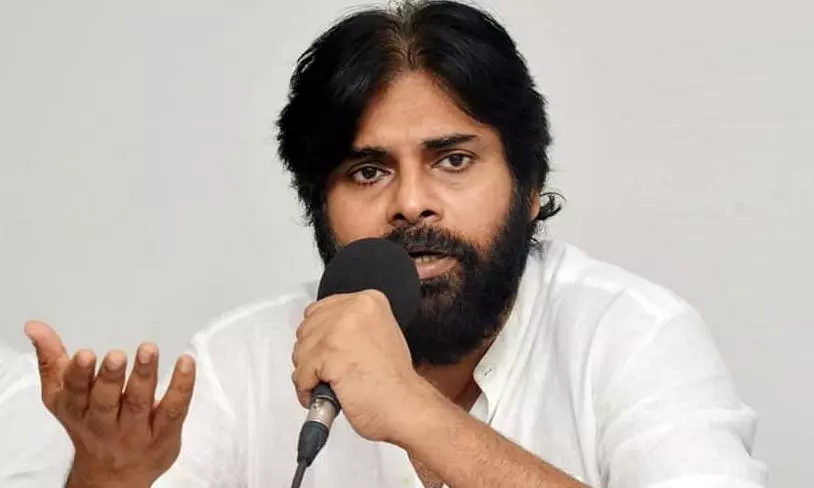
Despite acknowledging the rationale behind the Opposition’s concern about the Southern states facing the prospect of diminished representation in the Parliament due to the delimitation exercise, Andhra Pradesh Deputy Chief Minister Pawan Kalyan on Wednesday (June 10) questioned the North-South argument being brought up by some Opposition parties about the difference in implementation of population control measures in Southern and Northern states.
Assurance on representation
He also pointed out that Union Home Minister Amit Shah had earlier assured in Parliament that there would be a proportional increase in the number of seats to ensure that there is no adverse effect on the Southern States’ representation in Parliament.
Also Read: BJP’s delimitation strategy: Is it slicing the Opposition first?
Kalyan agreed with the argument of Telangana Chief Minister Revanth Reddy and former Tamil Nadu CM MK Stalin, who pointed out that if seats are increased based on population in the delimitation exercise, it would hamper the Southern State’s representation in the Lok Sabha. However, he argued that Revanth and Stalin should avoid dragging in the North-South divide into the delimitation debate.
Questions North-South debate
"There is a rationale behind what they (Opposition leaders) are saying. But where is the need for you to bring South and North? There is a rationale behind it, because we adhere to population control. Whereas maybe Northern states or certain states didn't do, or applied in a stringent manner, the way the South applied. But where is the debate of North and South?" Kalyan told ANI.
Also Read: Three grounds on which delimitation laws may be challenged in court
"Amit ji said in Parliament that we will give it in writing. Please allow the delimitation to happen. But somehow it didn't go into their ears," he added.
‘Youth irritated with North-South divide’
As for the Southern states’ contribution to the economy in terms of investment and taxes, Kalyan stated that each state contributes in a different way.
"First of all, people are not that aware. Their struggle is for their employment, for the basic food, basic shelter, which we are not able to completely provide to everyone. These are the major pressing issues for people. Let us say I believe in their argument. What if a northern state says, 'we provide more soldiers to the Indian army', whereas the (economic) contribution is less? Everyone can bring one convenient argument. So it all depends on how well the political leadership conveniently argues,” said Kalyan.
Also Read: Why delimitation Bills appear more ominous than originally thought
"For me, in this argument, are you creating or is it going towards a solution? Are you creating a fuss about it? I keep meeting a lot of youngsters. They are irritated with this. First, give us employment. People who are from the 90s born or mid-80s born, and the current generation have different thought processes. People who've been handling politics have a different thought process. They're not correlating,” he added.
Delimitation debate in Parliament
During the debate on the proposed legislation in Parliament, Shah attempted to address concerns raised by Opposition parties over the possible erosion of the Southern states’ political weight following the Lok Sabha seat redistribution exercise.
Also Read: Reporters Take: How Southern states are reacting to delimitation debate | AI With Sanket
He maintained that although the number of seats allotted to these states would rise by nearly 50 per cent, their overall share in the House would also register an increase.
However, the Bill specified that the delimitation process would be undertaken using data from a recent census. On April 17, the Constitution Amendment Bill was voted down, securing 298 votes in favour and 230 against, following which the Centre decided not to proceed with the accompanying Delimitation Bill and the Union Territories Laws (Amendment) Bill.