








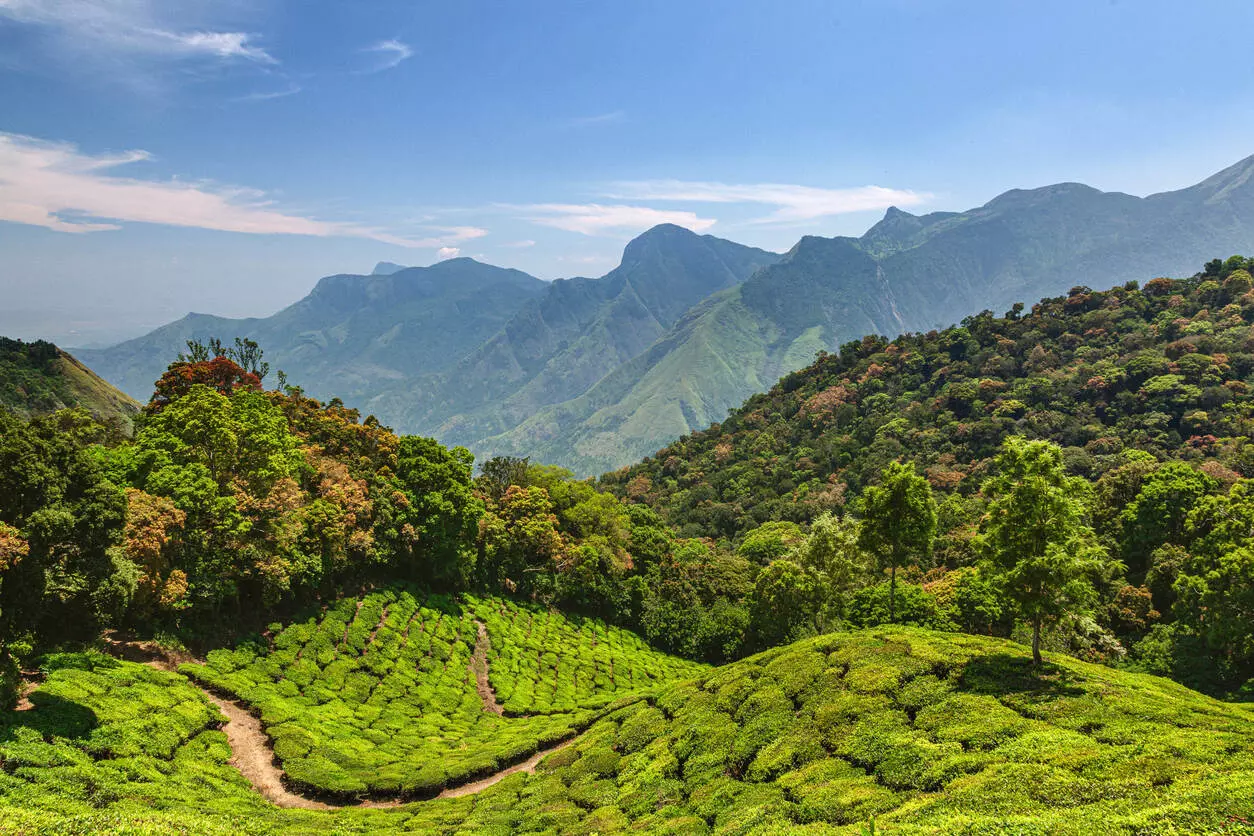
Centre readies second draft notification on ESA in Western Ghats; 3 states in focus
Govt likely to notify ESA demarcations for Goa, Maharashtra, Gujarat; Centre had opened talks with 6 states after first notification in 2014 led to disagreements

After a 12-year delay, the Centre is preparing to finalise and notify the demarcation of Ecologically Sensitive Areas (ESA) in the Western Ghats, in Goa, Maharashtra, and Gujarat for starters, where state-Centre talks have almost ironed out differences over demarcation, The Indian Express reported.
The report said negotiations are still underway with Kerala and Karnataka, while Tamil Nadu has not voiced any major concerns.
What did Kasturirangan panel propose?
As per the recommendations of the K Kasturirangan Committee in 2013, a stretch of 56,000 sq km of land – almost 37 per cent of the Western Ghats – across Tamil Nadu, Kerala, Karnataka, Maharashtra, Goa, and Gujarat is proposed to be demarcated as ESA.
Also read: Madhav Gadgil’s death revives Kerala’s unfinished ecological debate
The committee, in its report, proposed a blanket ban on mining, quarrying, and sand mining, as well as the setting up of red category industries and thermal power plants in the ESA. It said that hydropower projects in sensitive areas should only be allowed after detailed ecological studies, albeit with conditions. It also suggested against encouraging the establishment of townships, large-scale infrastructure, and other high-impact developmental activities in the area.
Kerala, Karnataka resist proposal
Since the Centre published the draft notification in 2014, the same has undergone five revisions, with states like Karnataka and Kerala voicing their own reservations about the proposals. While Kerala wants the ESA under its jurisdiction to be reduced, Karnataka has opposed the notification, demanding its share of the proposed area to be slashed from 20,668 sq km to 16,114 sq km.
At this juncture, the Centre has decided to finalise the notification of the ESA in Goa, Gujarat, and Maharashtra, where the demarcation is almost finalised, IE said, quoting officials from the Environment Ministry.
Also read: How India’s East Coast and Eastern Ghats are losing their rich biodiversity rapidly
Tamil Nadu, on the other hand, has not put up any resistance as the proposed 6,914 sq km falling in its share is far less compared to that designated to neighbouring Kerala and Karnataka.
The report said that Gujarat is the only state that has given its final consent to declare the proposed ESA – an area of around 449-470 sq km, spread across 64 villages – under its jurisdiction. It has, however, requested that the Centre to be allowed to mine minor minerals in non-forest areas in the ESA.
The extent of the demarcations in Goa, Gujarat, and Maharashtra, however, is yet to be finalised, the report said.
The 2014 notification
The Centre began the exercise in 2010 with the formation of the Madhav Gadgil Committee. The committee, in its report, published in August 2011, recommended designating the entire 129,037 sq km of the Western Ghats as an ecologically sensitive area. The Centre, however, appointed the Kasturirangan Committee, helmed by former ISRO chairman K Kasturirangan, in August 2012 after the Gadgil Committee’s recommendations drew sharp criticisms in all concerned states.
Also read: 'Kali Night Frog' that makes 'wood-chopping' sound discovered in Karnataka's Western Ghats
Based on the recommendations of the Kasturirangan Committee, the Ministry of Environment, Forest and Climate Change (MoEFCC) published the first draft notification of the ESA on July 31, 2014. This notification is set to expire on July 27 this year, which explains the Centre’s bid to announce fresh notifications for Goa, Maharashtra and Gujarat.
Expert committee and negotiations
In view of differences of opinions brought forth during talks with states, the Centre in 2022 constituted an expert committee, headed by former Director General of Forests, Sanjay Kumar, to examine the objections and discuss alternate ESA proposals with the six states.
The IE report, quoting MoEFCC and expert committee sources, says that talks with states have been happening since then, and the committee is in the final stages of finalising the notifications for Goa, Maharashtra, and Gujarat.
Also read: Political dilemma of Western Ghat states: Save ecology or shore up vote bank?
The panel is said to be awaiting final information on Maharashtra’s proposal from its biodiversity board. The state, which has been designated the second-largest share – around 17,340 sq km – of the ESA, has asked for the omission of 378 of the 2,515 villages which will be affected.
Karnataka, which has been given the largest ESA share – 20,668 sq km – in 2024, formally rejected the Kasturirangan panel report, but continued to hold negotiations with the Centre for an alternative course of action, IE said.
Kerala has requested that its share of 993.7 sq km be reduced to 8,805 sq km by excluding a few villages from Idukki district and Wayanad. The Centre’s expert committee has not agreed on it.
Interactive story: Interactive: Why the Western Ghats are crying for protection
Goa too wants the Centre to exclude 21 villages from the 108 villages demarcated under ESA.