








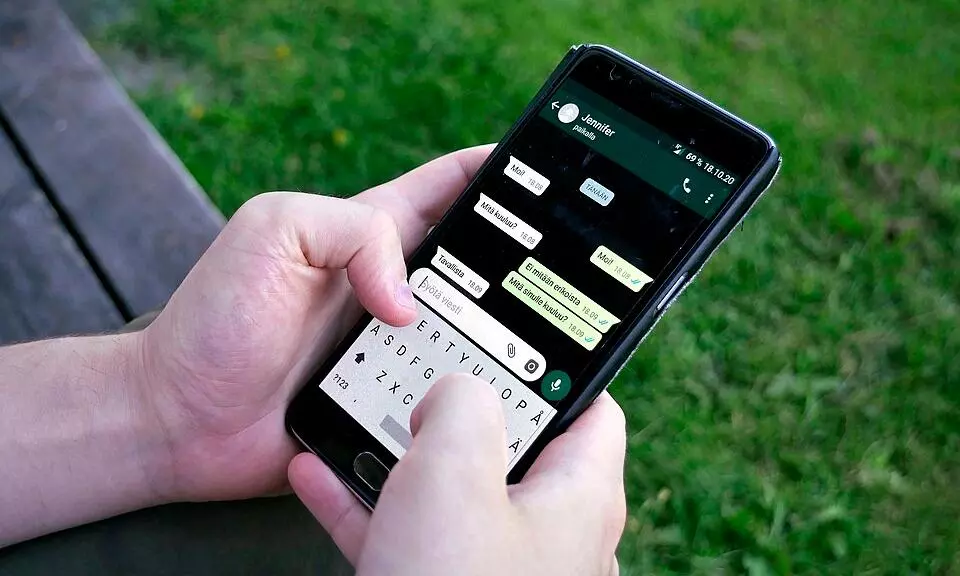
WhatsApp username feature: Meta gets 3 more days to respond to Centre
Meta has been given three more days to respond as the Centre asks WhatsApp to pause its username feature over fraud and impersonation concerns

In yet another development to the contentious ‘username’ feature, WhatsApp, owned by Meta, has been granted three more days to submit its response on the issue. It has also assured the Centre that it would not go ahead with rolling out the feature in India until discussions are complete.
Centre's concerns
The development was reported by PTI, quoting sources. It comes days after the Centre issued a notice to Meta. Flagging concerns that the ‘username’ feature could lead to a material increase in online fraud, phishing, digital arrest scams, and impersonation attacks.
It directed the platform to pause the feature until consultations on the issue are completed "to the satisfaction of the Government".
Also Read: WhatsApp clarifies username guardrails after VIPs flag name snooping: 'Not true'
The username feature essentially allows people on the messaging platform to communicate without sharing their phone numbers.
The report further stated that the platform has also assured the government that it will not roll out the feature till the discussions are complete.
Meta meets officials
A team from Meta met officials from the IT Ministry last Friday after receiving the notice summoning them.
In the notice, the Centre asked Meta to explain why action should not be initiated under the IT Act and its rules over WhatsApp's new feature, which it said could lead to an increase in cybercrime.
Also Read: Govt asks WhatsApp to pause username feature until consultations end
The government also reminded Meta that WhatsApp, as a significant social media intermediary, is bound by due diligence obligations under the IT Act and its rules.
WhatsApp's defence
A WhatsApp spokesperson said last week that the ability to use a username is not yet live and will be rolled out gradually later this year.
"To protect against impersonation, we’ve held the highest-profile names - think public figures, government entities, celebrities, verified Meta accounts - so they can only ever be claimed by their legitimate owners and lookalike derivatives of known names are held as well," the spokesperson had said.
Also Read: WhatsApp launches 'username' feature; now chat without sharing phone number
The company also said users will still need a phone number to use WhatsApp and that it has built multiple layers of defence against scams into usernames.
"Other users need to know the exact username to message you. We will limit how many new people an account can contact, block repeated attempts to guess someone’s username key, and have systems to detect and remove activity showing common impersonation and abuse patterns," the company said.
User safeguards
WhatsApp will also show whether a first-time sender is a new account, an existing contact, a mutual group member or is based in another country before users respond.
Also Read: WhatsApp issues FAQs on username feature amid govt concerns over rollout
"When the feature becomes available, and someone sends a message for the first time via your username, we will show you if they're a new account, if they’re your contact, if you have groups in common, and if they’re based in a different country, so you can decide whether to respond," WhatsApp had said.
Wider scrutiny
After sending a notice to WhatsApp, the IT Ministry also issued notices to Telegram and Signal, raising questions about their existing username features and asking how the platforms are addressing concerns related to fraud and impersonation risks. While WhatsApp has 50 crore users in India, Telegram's reach is a fraction of that.
Over the past few days, Meta and Telegram have also come under regulatory scrutiny on other issues.
While the government issued a stern notice to Meta on Saturday over child sexual abuse material in Instagram ads, Telegram was served a notice directing it to crack down on the "widespread dissemination" of pirated films, OTT content and other audio-visual material through its platform.