








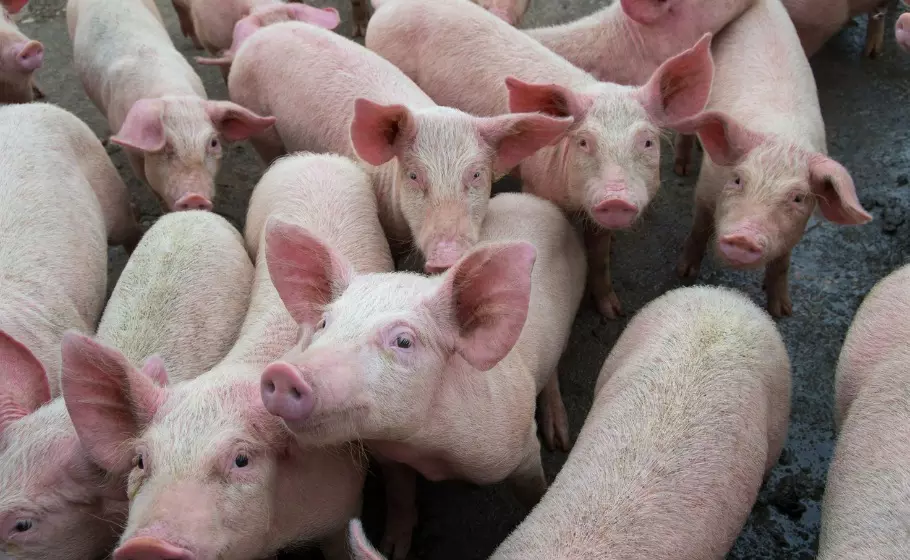
North East battles African Swine Fever: Is it dangerous to humans?
Outbreak triggers major concerns for the northeastern economy, where pig farming and pork trade are deeply tied to livelihoods and local consumption patterns

Following a fresh outbreak of African Swine Fever (ASF), Nagaland and several other north-eastern states have intensified surveillance, imposed movement restrictions and banned the import and sale of pigs and pork products in a bid to contain the highly contagious animal disease.
What is ASF?
African Swine Fever is a severe viral disease that affects domestic and wild pigs. Caused by the African Swine Fever Virus, the disease triggers a highly contagious haemorrhagic fever in pigs, with mortality rates that can reach nearly 100 per cent.
However, health authorities have clarified that ASF does not infect humans and poses no direct public health threat. The disease spreads primarily through direct contact with infected pigs, contaminated feed, carcasses, equipment and pork products.
Also read: Two deadly disease outbreaks hit hooved animals in Arunachal
One of the biggest concerns surrounding ASF is the virus’s resilience. It can survive for months in the environment, faeces and even frozen or processed pork products. As of now, there is no approved vaccine or treatment available globally, making containment the only effective strategy.
ASF vs Swine Flu
Authorities have also cautioned against confusing ASF with swine flu.
While African Swine Fever affects only pigs and does not spread to humans, swine flu is a respiratory infection that can infect people and spreads through airborne transmission. Mortality among pigs due to swine flu remains comparatively low at around 4 per cent, whereas ASF can wipe out entire herds.
Containment measures
Several districts in Nagaland, including Dimapur, Mon and Medziphema, have imposed strict restrictions on the transport, slaughter and sale of pigs and pork products.
The Directorate of Animal Husbandry and Veterinary Services said surveillance teams and veterinary officials are actively monitoring affected areas, collecting samples and enforcing biosecurity measures.
Authorities have urged pig farmers to immediately report unusual illness or deaths among pigs. Farm owners have also been directed to maintain strict disinfection protocols and restrict outsider access to farms.
Also read: Hantavirus myths busted: What you need to know
In Dimapur district, a 1-km radius around Signal Angami Village has been declared an infected zone, while a 10-km radius has been marked as a surveillance zone.
Officials have also warned residents against disposing of pig carcasses in rivers, forests or open spaces, saying improper disposal could worsen the outbreak.
Economic impact
The outbreak has triggered major concerns for the northeastern economy, where pig farming and pork trade are deeply tied to livelihoods and local consumption patterns.
The restrictions on pig movement, slaughter and sale are expected to disrupt supply chains, hurt local markets and severely affect thousands of small-scale farmers, traders and butchers dependent on the pork economy.
Recent outbreaks have already killed more than 2,600 pigs across Mizoram’s Siaha, Lawngtlai and Serchhip districts, while wild boar carcasses have also tested positive for ASF.
Also read: Ebola outbreak in Africa puts India on alert, experts stress vigilance over panic
The economic concerns are also significant at the national level. India’s domestic pork market is estimated to be worth over USD 1.8 billion in 2026 and is projected to grow steadily due to rising processed meat demand. India additionally imports pig meat worth over USD 4 million annually, mainly from Belgium, Russia and Spain.
Why North East is vulnerable
The North East remains particularly vulnerable as it houses nearly 45 per cent of India’s estimated 9 million pig population. Pork is one of the most preferred meats in Nagaland and several neighbouring states, forming an essential part of traditional cuisine and everyday meals.
Recent outbreaks have already killed more than 2,600 pigs across Mizoram’s Siaha, Lawngtlai and Serchhip districts, while wild boar carcasses have also tested positive for ASF.