








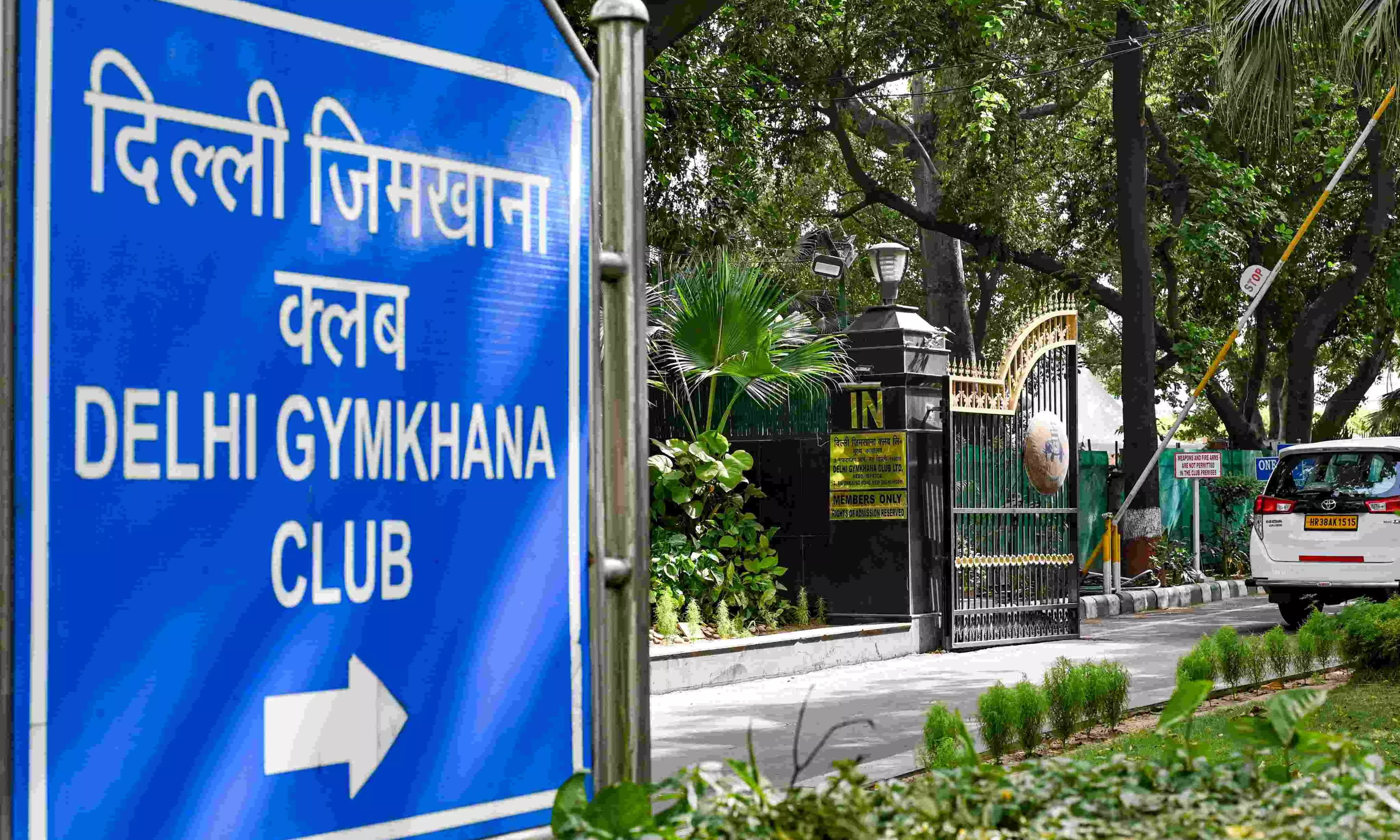
Delhi HC issues summons over Delhi Gymkhana Club takeover, Centre assures due process
Delhi High Court issued summons in the Delhi Gymkhana Club takeover case, as the Centre assured that eviction proceedings would follow due process

The Delhi High Court on Tuesday (May 26) issued summons to the Centre and the Delhi Gymkhana Club management in lawsuits by members and staff against the takeover order. It further stated that no interim order was required in view of SG Mehta's statement that eviction proceedings will be initiated as per law.
During the hearing, the Centre informed the Delhi High Court that it has provided the Delhi Gymkhana Club the opportunity to vacate the premises “on its own” adding that the land would not be forcibly taken over. The hearing was being conducted by the single judge bench of Justice Avneesh Jhingan.
Centre assures due process
Conveying the development to the High Court, Solicitor General Tushar Mehta said that the possession would be taken as per law. “We cannot go and get it vacated,” he said.
Also Read: Delhi Gymkhana Club eviction: Bulldozing the ballroom
“We will not take possession except in accordance with the procedure as per law. It cannot be on the 5th, because we will have to issue notice, etc. It’s not that on the 5th, somebody will grant consent,” added Mehta as quoted by the Hindustan Times.
Land sought for defence purposes
The development follows the Centre’s direction to the Delhi Gymkhana Club, situated in Lutyens’ Delhi, asking it to vacate and hand over possession of its premises by June 5. The communication stated that the 27.3-acre parcel of land was needed for the purpose of "strengthening and securing defence infrastructure".
Also Read: Delhi Gymkhana Club eviction order triggers panic, uncertainty for 600 employees
Founded in 1913, the Delhi Gymkhana Club has been described by members as among the city’s oldest social and sporting institutions, carrying historical significance that extends beyond the value of the land it occupies.
According to the order issued by the Land & Development Office (L&DO) functioning under the Union Ministry of Housing and Urban Affairs, the property falls within an area considered strategically important and highly sensitive in the national capital. It said the site was critically required for strengthening and securing defence infrastructure, along with other public security-related purposes of importance.
Club challenges notice in court
Club member Vijay Khurana, whose plea has the support of nearly 500 members, has moved the court seeking restraint against the Centre from “illegally determining” the club’s perpetual leasehold rights and from proceeding with any forcible dispossession. The petition has also sought an interim direction for maintaining the status quo with respect to the property.
The plea further submitted that the notice issued on May 22 does not make any provision for compensation and therefore amounts to a violation of Article 300A of the Constitution.
Also Read: Imperial days to eviction: All you need to know about Delhi's Gymkhana Club
The club also relied upon a letter issued by the Centre on December 18, 2009, arguing that it expressly acknowledged that the club’s “ownership and titles stand restored”. It was contended that the communication recognised that the perpetual lease deed dated February 2, 1928, vested proprietary rights in favour of the club.
“The impugned notice is a malicious and colourable exercise... an attempt to effect forced eviction through executive force instead of following due process of law,” the suit stated.
Senior counsels raise objections
Appearing for Vijay Khurana before the Delhi High Court, senior advocate Abhishek Manu Singhvi urged the court to direct the Centre against taking any further steps pursuant to the notice. He submitted that the order had been passed without issuing prior notice or providing an opportunity to be heard.
Senior advocate Kapil Sibal, representing the last elected body of the Delhi Gymkhana Club, argued that clause 4, which had been relied upon by the Centre to justify re-entry, was introduced before the Constitution came into force. “They cannot pass this order, and the order is in the teeth of Article 14.”