Keralam’s Janakeeya Hotels are struggling to dish out hot meals at Rs 20; here's why
Over 50 pc of outlets closed over rising costs, withdrawal of govt subsidy and collapse of support structure; Kudumbashree members apprehensive about UDF govt’s intention to revive scheme

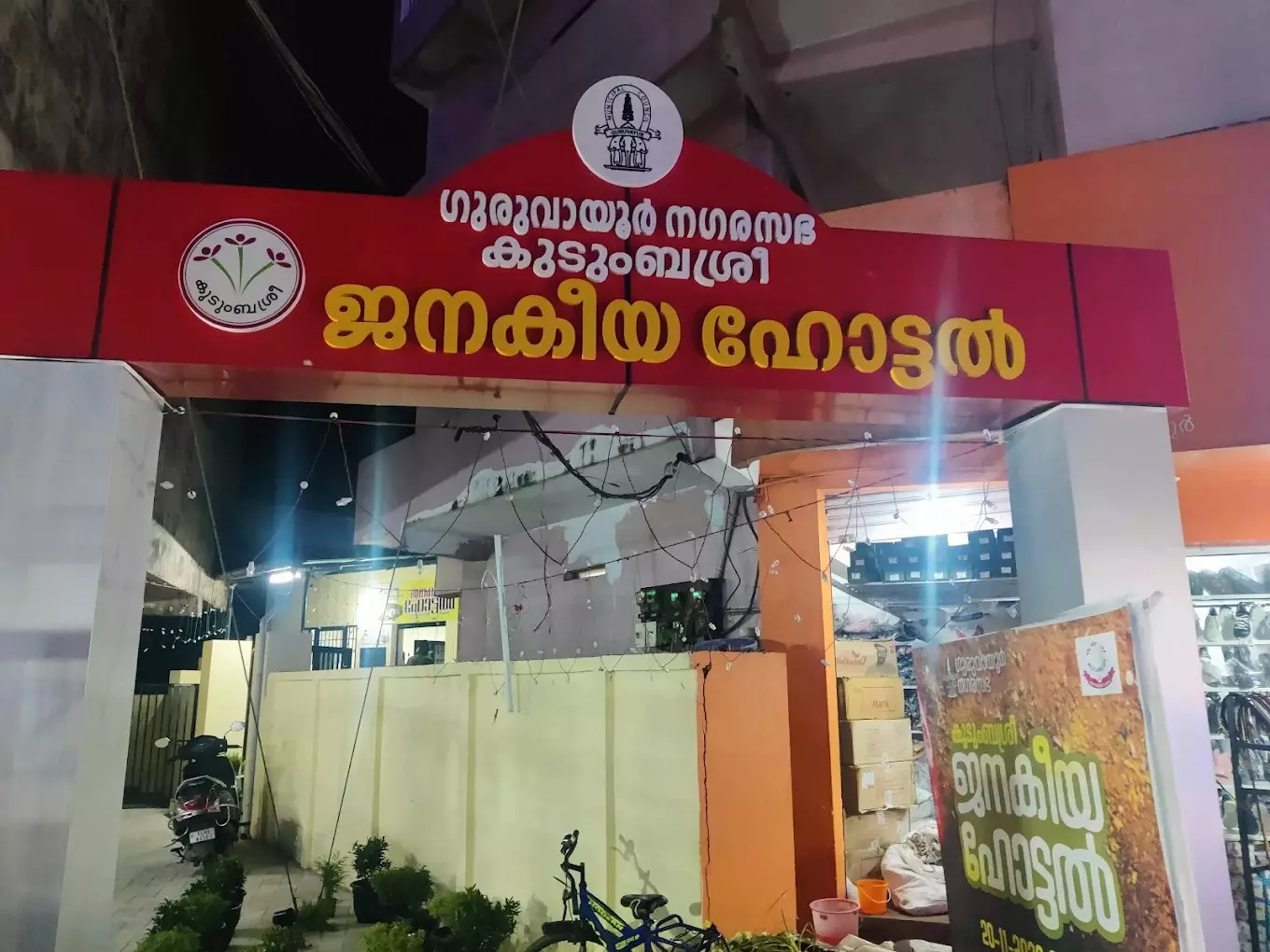
For 54-year-old Shakkeela Ismail and the four other Kudumbashree members, who ran a Janakeeya Hotel in Keralam’s Guruvayoor, the ₹20 meal once seemed like a sustainable proposition. They had started with a community kitchen during the COVID-19 pandemic and later became part of Keralam’s network of Janakeeya Hotels, set up under the Hunger-Free Kerala project to provide affordable meals while creating livelihoods for women. The group’s Janakeya outlet was, however, among hundreds in Keralam that had to shut up shop after the subsidies and layers of support that kept it running were withdrawn and input prices made the model unsustainable.
An arithmetic that doesn’t work anymore
In those early days, the arithmetic worked. A meal was priced at ₹30, with the customer paying ₹20 and the government providing a ₹10 subsidy. The local self-government institution also bore the rent.
“About five years ago, we started the hotel amid the pandemic. Initially, it was a community kitchen. It was from there that we moved into this. That ₹20 meal, we could manage without much difficulty,” says Shakkeela.
Also read: How Kerala’s empowerment programmes are ensuring women's participation in grassroots politics
Not anymore. Having closed their hotel, Shakkeela and her four companions are now running a private food joint on lease. They are, however, still in talks with the Guruvayoor municipality, which has assured them that it will explore a solution to revive the Janakeeya Hotel.
Their story is being repeated across Keralam. Hundreds of Janakeeya Hotels have shut down as the subsidy was discontinued, input costs rose, and the support structure that had helped make the low-cost meal viable came under strain.
Scheme once empowered 5,043 women
At Kuttichira in Kodassery panchayat in Thrissur district, Kudumbashree CDS chairperson Livitha headed a Janakeeya Hotel with four other women. Their unit closed last year.
“We could not take it forward beyond a point when the subsidy was cut, and the price rise became uncontrollable. We had to shut down the hotel last year. One of our team members went abroad. The rest of us continue with Kudumbashree work. But the panchayat was also not supportive here,” says Livitha.
Also read: Kerala Budget prioritises welfare as LDF govt banks on continuity
The Janakeeya Hotels emerged from the community kitchens run by Kudumbashree during the COVID lockdown. Kudumbashree, Keralam’s women-focused community network, later converted the initiative into a network of low-cost eateries across the state. At its peak, 1,198 Janakeeya Hotels were operating, involving 5,043 Kudumbashree women entrepreneurs.
When support structure started collapsing
The model depended on several layers of support. The state provided a ₹10 subsidy for each meal. Rice was supplied at a subsidised rate, while local self-government institutions were expected to support the hotels with premises and expenses such as rent, electricity and water.
The ₹20 meal was therefore not simply the result of the women selling food cheaply. It was the outcome of a support structure spread across the state government, local governments and Kudumbashree.
Also read: 30 years since launch, why Kerala’s iconic decentralisation project appears to have lost steam
That structure began to weaken as the COVID period ended. The ₹10 meal subsidy was discontinued, while the cost of rice, vegetables, cooking gas and other essentials continued to rise. District Planning Committees were later allowed to fix meal prices between ₹30 and ₹40.
For operators, the problem was not only the withdrawal of the subsidy.
Running costs kept climbing. Labour became more expensive, while gas and provisions consumed a larger share of the daily revenue. Where local-body support for rent, electricity or water was delayed or unavailable, the burden increased further.
“You cannot get a kilo of rice for less than ₹42–45 now. We used to charge ₹40 for special items such as fish fry, but the price of fish has also gone up. The gas situation after the Gulf war also affected us badly. At the same time, customers are not willing to pay more for expensive fish, and we could not adopt flexible pricing. These hotels were meant for the poor, right?” Shakkeela asks. “If we are allowed to serve meals at ₹50, with the rent covered, we can happily continue. The government needs to take that decision,” she says.
1,200 eateries close shutters; who is to blame?
The network has consequently contracted sharply. Recent figures indicate that more than 500 of the roughly 1,200 Janakeeya Hotels have closed, leaving only around 650 operational.
The closures have raised questions about whether a model designed to combine welfare and women’s enterprise can survive without sustained public support.
Shakkeela is cautious about blaming the change in government for the crisis.
“We cannot outright say that the change in government is the direct cause. The government subsidy was disrupted during the previous government also. But the new government is politically not that supportive of Kudumbashree itself, and that too is a problem,” she says.
Many Kudumbashree members remain apprehensive about the UDF government's approach towards the mission. They fear that the government may be less accommodating towards an organisation that, in political terms, the UDF views as having developed a strong Left influence, particularly among those elected to various positions during the previous LDF government's tenure.
They point to the government's decision not to renew the contracts of Kudumbashree women employed under various schemes as an indication of this concern. As many as 134 contractual staff, including 118 women working under the Deendayal Antyodaya Yojana-National Urban Livelihoods Mission (DAY-NULM), lost their jobs after the government decided against renewing contracts that expired on June 30.
Can the model be revived?
However, a Kudumbashree official points out that the present crisis regarding the Janakeeya Hotels has nothing to do with the UDF government, as the subsidy was originally introduced in the context of COVID and was subsequently discontinued during the LDF tenure itself.
“We cannot blame the new government for this. The Janakeeya Hotel was expected to keep food affordable while also functioning as a livelihood enterprise. Those two objectives become difficult to reconcile when the cost of producing a meal rises faster than what customers can afford. The crisis existed during the previous government’s tenure as well,” says the officer.
Also read: Kerala's Kudumbashree feeds workers during COVID lockdown
The government and Kudumbashree have explored diversification as one possible way forward. Hotels can add breakfast, snacks and other items that can be sold at market rates, reducing their dependence on the low-priced lunch. But that too has limits.
“Our customers are mostly ordinary workers who come to us because the food is affordable. If we raise prices, we risk losing them. At the same time, we cannot compete with high-end establishments, even in small towns,” says Rabiya TP, who runs another Janakeeya Hotel unit in Malappuram.
Shakkeela and her companions have chosen a different route, at least for now. They have taken a private food joint on lease and continued working together. The Janakeeya Hotel in Guruvayoor may yet reopen if the municipality's promised intervention produces a workable arrangement.
For the hundreds of women whose hotels have already closed, however, the transition has been more permanent.