



Coldrif cough syrup deaths: ED attaches properties of Sresan Pharma in Chennai
The assets include two residential flats in Kodambakkam owned by Ranganathan and his family. This action, taken under the Prevention of Money Laundering Act (PMLA), 2002

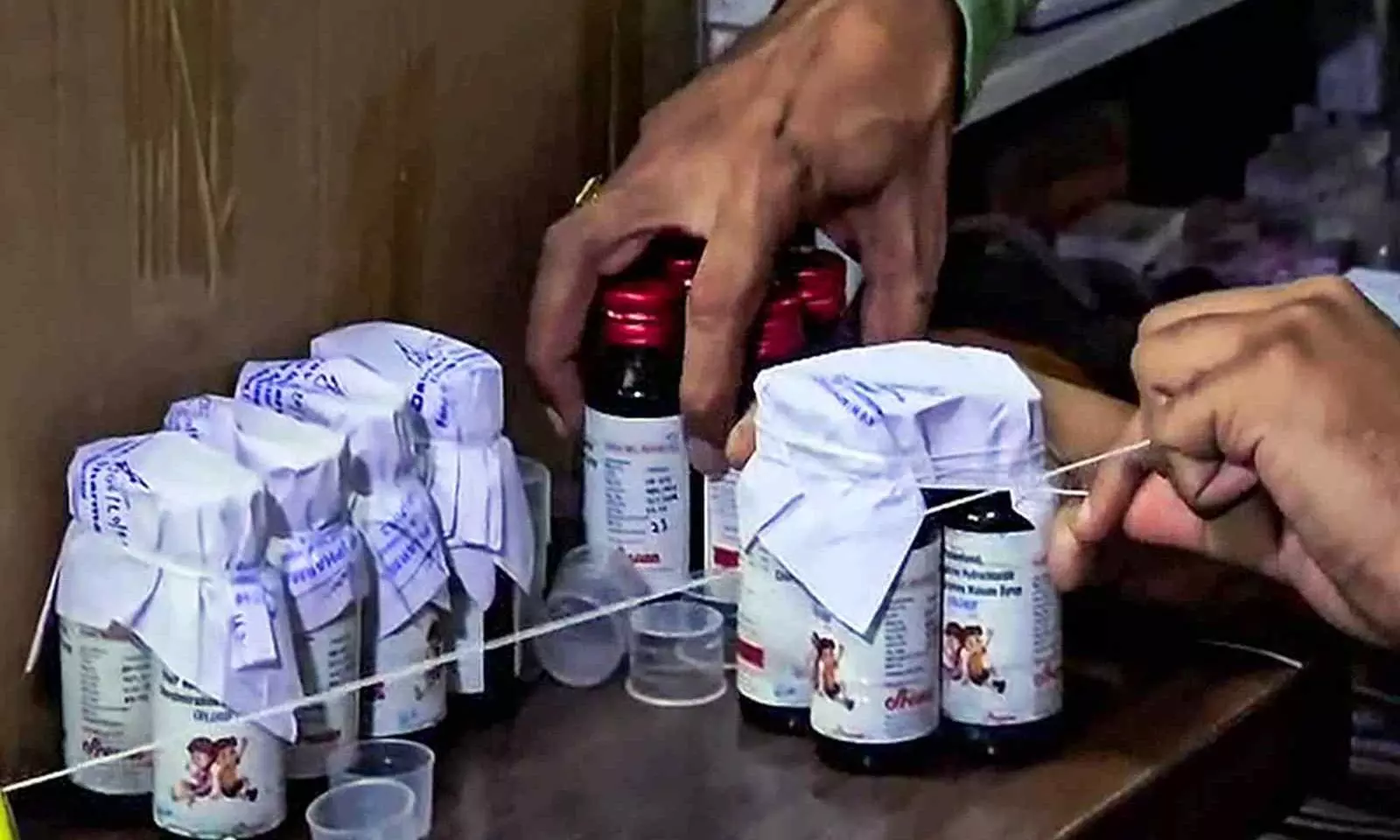
The Enforcement Directorate's (ED) Chennai Zonal Office has provisionally attached immovable properties worth Rs. 2.04 crore belonging to G Ranganathan, the proprietor of Sresan Pharmaceutical, the manufacturer of Coldrif cough syrup claimed the lives of 20 children in Madhya Pradesh.
The assets include two residential flats in Kodambakkam, Chennai, owned by Ranganathan and his family. This action, taken under the Prevention of Money Laundering Act (PMLA), 2002, stems from investigations into the case of adulterated cough syrup.
Two FIRs filed
The probe began following two First Information Reports (FIRs) that highlighted criminal negligence and corruption in the pharmaceutical sector. The first FIR, filed by the Madhya Pradesh Police, accused Ranganathan under Section 105 of the Bharatiya Nyaya Sanhita, 2023 (equivalent to Section 304 of the Indian Penal Code), for culpable homicide not amounting to murder.
Also read: TN government cancels Sresan Pharma licence over toxic 'Coldrif' cough syrup
It alleged that Coldrif cough syrup, produced by Sresan Pharma in Chennai, was contaminated with toxic chemicals, leading to acute renal failure and fatalities among children who consumed it.
As per ED officials, laboratory tests confirmed alarmingly high levels of Diethylene Glycol (DEG) at 48.6 per cent w/v (weight by volume) and Ethylene Glycol (EG) at 46.28 per cent w/v far exceeding safe limits. These industrial solvents, often used in antifreeze and paints, are lethal when ingested and have been linked to similar poisoning incidents globally, including the infamous Gambia cough syrup deaths in 2022. The syrup was distributed across states, with Madhya Pradesh reporting the bulk of the casualties, sparking nationwide outrage.
The second FIR, registered by Chennai's Anti-Corruption Bureau (ACB), targeted PU Karthigeyan, the in-charge Director and Joint Director of Tamil Nadu's Drugs Control Department, under Section 7 of the Prevention of Corruption (Amendment) Act, 2018. It alleged bribery and favouritism in licensing and inspections, allowing substandard manufacturers like Sresan Pharma to operate unchecked. ED's involvement escalated when these cases were flagged as involving "proceeds of crime" under PMLA, revealing how illicit profits from adulterated drugs were laundered into real estate and other assets.
Modus operandi
At the heart of the scandal is a calculated modus operandi to produce spurious (adulterated or substandard) drugs while evading detection. According to ED findings, Sresan Pharma systematically suppressed manufacturing costs to inflate profits, treating human lives as collateral damage. The operation involved sourcing industrial-grade raw materials, cheaper alternatives to pharmaceutical-grade ones, without proper quality controls.
Also read: Cough syrup deaths: ED raids 5 sites in Chennai, targets Sresan owner, officials
These materials, unfit for human consumption, were purchased in cash transactions to dodge paper trails and tax scrutiny. No invoices were generated, making it nearly impossible for auditors to trace the supply chain. For instance, the toxic glycols in Coldrif were likely industrial byproducts, substituted for safe excipients like glycerine or propylene glycol, which are standard in cough syrups.
Compounding this, the firm bypassed mandatory quality checks and testing protocols under the Drugs and Cosmetics Act. ED investigations uncovered that Tamil Nadu's Drugs Control Department, despite frequent interactions with Ranganathan, failed to conduct annual inspections as required by law. This regulatory blind spot suggests collusion, officials allegedly turned a blind eye in exchange for bribes, allowing the adulterated products to flood the market. As a result, a "surprise" element in the drugs, unintended toxicity that manifested as poisoning epidemics. Similar tactics have plagued India's pharma sector, where small manufacturers exploit weak enforcement to undercut ethical players, often targeting low-income consumers in rural areas.
ED raids on December 2, across 10 locations, including Ranganathan's premises, drug control offices, and agents handling licenses, yielded incriminating evidence. Seized documents detailed financial irregularities, adulterated batch records, and communications hinting at a broader network of enablers.
Money laundering chain
The financial trail, or "money chain", illustrates a classic money laundering scheme. Profits from selling the contaminated cough syrup, estimated in crores, were classified as "proceeds of crime" by the ED. These funds, generated through unfair trade practices, were funnelled into untraceable cash purchases and then layered into legitimate assets.
Also read: Tamil Nadu pharma owner remanded in MP over deaths linked to toxic cough syrup
Senior ED officials told The Federal, "The final amount can be decided after police file the chargesheet in the predicate offence. They will decide how many batches of medicines were adulterated."
Step-by-step breakdown
Generation of illicit funds: By using substandard materials bought in cash (no GST or records), Sresan Pharma reduced costs by up to 50 per cent, boosting margins on each bottle sold.
Placement: Cash from sales was directly reinvested into raw material procurement or siphoned off without banking records.
Layering: Funds were routed through family members and shell entities to purchase properties, like the attached Kodambakkam flats, disguising their criminal origin.
Integration: The assets were held as "clean" investments, potentially to be sold or rented for further gains.
This chain not only evaded taxes but also shielded the operation from financial audits. ED's forensic analysis of seized records exposed discrepancies in declared revenues versus actual sales, pointing to underreporting and black money circulation.
ED’s next targets
With investigations ongoing, sources close to the probe indicate the ED is widening its net beyond Ranganathan. Potential next targets include PU Karthigeyan and other Tamil Nadu Drugs Control Department personnel, already implicated in the ACB FIR, could face attachment of assets if evidence of bribe-taking solidifies. Their "frequent touch" with Sresan without inspections screams complicity.
