








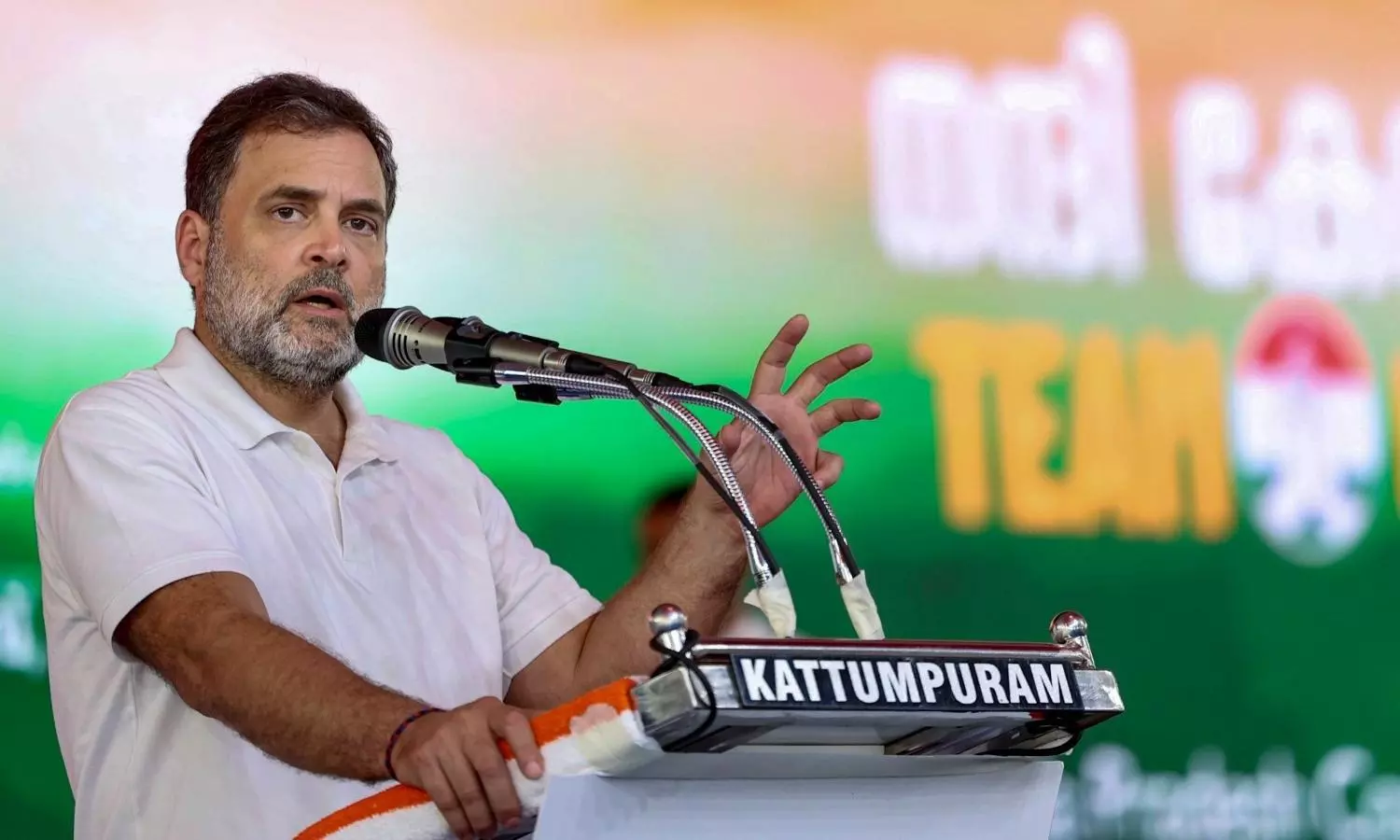
DMK steps up attack on Rahul Gandhi, accuses him of weakening INDIA bloc unity
DMK’s IT wing and Murasoli editorial target the Congress leader, alleging he has deepened Opposition rifts and strained ties within INDIA bloc amid shifting alliances in Tamil Nadu

The DMK has escalated its criticism of Congress leader Rahul Gandhi, with both its IT wing and party mouthpiece Murasoli launching pointed attacks questioning his role in Opposition politics. While the IT wing described him as “a massive joke”, Murasoli accused him of damaging unity within the INDIA bloc and weakening Opposition coordination in Tamil Nadu and beyond.
Also read | DMK boycott clouds INDIA bloc’s future as rift with Congress widens
Referring to the Congress’ post-poll split, the DMK IT wing posted: “We carried the INC on our shoulders when they were fighting for survival, only for them to jump ship the moment they saw a shiny new toy.” The post ended by clling Rahul Gandhi “a massive joke.”
Rahul Gandhi under fire
In a parallel attack, a Monday editorial in Murasoli criticised Rahul Gandhi’s remarks after the INDIA bloc meeting and alleged he was responsible for deepening divisions within the Opposition.
The attacks come amid a major political realignment in Tamil Nadu. The Congress, which won five Assembly seats as part of the DMK-led alliance in the 2026 elections, later exited the alliance and joined the Vijay-led TVK government as a coalition partner, leaving the DMK to lead a weakened Opposition front in the state.
At the national level too, ties between the DMK and Congress have turned strained. The DMK recently boycotted an INDIA bloc meeting, saying it would not attend one convened by Congress, while maintaining it would continue supporting common Opposition issues within the alliance framework.
Congress accused of division
Against this backdrop, Murasoli accused Rahul Gandhi of preaching unity while undermining it. It said, “Rahul Gandhi is lecturing on unity. But who weakened that unity in various states?”
The editorial also highlighted criticism of Rahul Gandhi by Left parties in Kerala. It recalled that Communist leaders had opposed his remarks during election campaigns when he demanded the arrest of Kerala Chief Minister Pinarayi Vijayan and accused the LDF government of having a tacit understanding with the BJP. According to Murasoli, such statements led Left leaders to question whether Congress was more focused on attacking allies than the BJP.
Murasoli further alleged that Congress had repeatedly worked against the interests of INDIA bloc partners in several states, even when those parties were better placed to challenge the BJP. It asked how the Congress could now speak of unity when allies had accused it of damaging their prospects of forming governments.
Citing criticism from Left parties, the Samajwadi Party and others, the editorial said Rahul Gandhi’s approach had repeatedly created friction within the bloc.
DMK questions Congress conduct
Drawing parallels with Tamil Nadu, Murasoli accused Congress of betraying the DMK despite contesting and winning seats on its alliance platform. It alleged that the subsequent move of Congress legislators joining the TVK-led government was done with the knowledge of the party’s central leadership.
Also read | Stalin eyes solo revival of DMK after crushing defeat; will it help?
It also mocked Rahul Gandhi’s recent assurances to allies, questioning whether they could be trusted after Congress’ conduct in Tamil Nadu.
In its conclusion, Murasoli said opposition parties were increasingly targeting Congress instead of the BJP, blaming what it called Rahul Gandhi’s “political immaturity” and inconsistency for rising tensions within the INDIA bloc.
The editorial ended with a rhetorical question, asking who was responsible for “churning poison instead of nectar” within the Opposition alliance, suggesting that many of its troubles stemmed from Congress’ own actions.