Packaged drinking water safety in Tamil Nadu under scrutiny
Tests flag widespread contamination, PFAS risks, and enforcement gaps in 20-litre water cans used daily across Tamil Nadu. Is your drinking water truly safe?

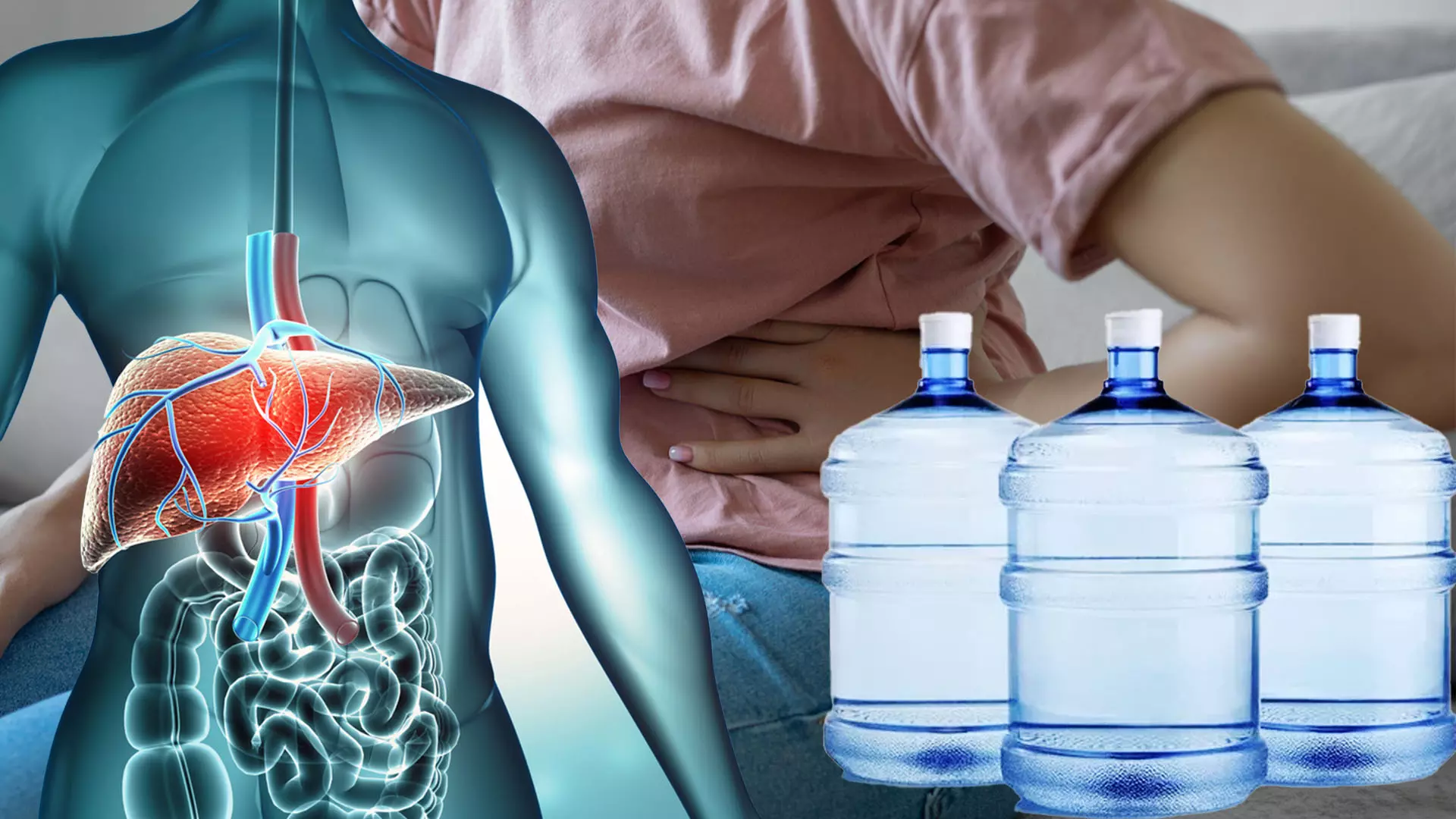
In Tamil Nadu, millions of households rely on packaged drinking water cans for their daily water needs. However, repeated warnings from food safety authorities and recent scientific studies have raised serious concerns about the quality and safety of this widely used water source.
Packaged drinking water, typically sold in 20-litre bubble top cans, is sourced largely through borewells and nearby water bodies. Several of these sources have been found to lack adequate quality controls and have failed to meet prescribed safety standards.
A local assessment has indicated contamination in nearly 75 per cent of water bodies tested. An Indian Institute of Technology Madras study examined water samples from 40 locations, including Chembarambakkam Lake, the Adyar River, and the Buckingham Canal, all of which contribute to Chennai’s water supply. The findings showed unsafe water quality marked by contamination, poor hygiene, and substandard processing practices.
Safety lapses
The Food Safety Department has received multiple complaints related to bitter taste, unhygienic cans, and the reuse of containers. In response, special committees were formed last year to carry out surprise inspections across Chennai and its surrounding suburbs.
Also read: Unmasking bottled water: Mineral loss, hidden danger of microplastics
Although the Food Safety and Standards Authority of India (FSSAI) mandates strict licensing, testing, hygiene protocols, and sealed packaging for packaged drinking water, enforcement gaps remain. These lapses may expose consumers to infections and long-term health issues, including damage to vital organs.
The issue is compounded by emerging concerns over Per- and Polyfluoroalkyl Substances, commonly referred to as PFAS. These synthetic chemicals, often called “forever chemicals”, are used in packaging and various industrial materials and are known for their resistance to degradation.
PFAS levels
The IIT Madras study detected PFAS levels ranging from 23 to 136 nanograms per litre, far exceeding international advisory limits of 0.004 to 0.02 nanograms per litre. Elevated exposure to these substances has been associated with liver damage, kidney problems, and cancer.
Explaining the risk, Dr. Keerthivasan said, “Packaged water has to undergo rigorous safety and regulatory checks before it is dispersed. If packaged or canned water does not meet these checks, it can be contaminated with PFAS.”
He added, “PFAS are ‘forever chemicals’ that resist breakdown over time. They remain in the environment for long periods and are linked to several health conditions, including developmental toxicity in children, liver problems, and they are potentially teratogenic, meaning they can also cause cancer.”
Also read: Are earphones driving irreversible hearing loss among India’s youth? | Second Opinion
Dr. Keerthivasan noted that PFAS should be eliminated from drinking water to reduce health complications. “The Food Safety and Standards Authority of India does not usually include PFAS in its safety algorithm. Countries such as Japan, the United States, and China have included PFAS in their regulatory checks. India currently does not have such regulation, which can lead to probable complications,” he said.
He suggested using advanced filtration or reverse osmosis systems at home and called for PFAS to be included in national screening and regulatory frameworks. He also stressed the need for transparency from packaged water manufacturers regarding PFAS testing.
Health impact
Medical experts have also warned about the broader health risks associated with poor water quality. Dr. Balaji highlighted the need for daily monitoring of drinking water safety, pointing out that prolonged exposure to industrial pollutants in water can harm internal organs and increase the risk of chronic diseases, including cancer.
The Central Pollution Control Board (CPCB) has acknowledged a rise in these chemicals over the years and has called for improved monitoring and stricter standards. While some state-level tests have detected PFAS within certain thresholds, national reviews and IIT findings indicate a rising trend of compounds such as PFOA (Perfluorooctanoic Acid) and PFOS (Perfluorooctanesulfonic acid) in water consumed in southern India.
Official response
The Tamil Nadu government has maintained that drinking water sources in the State, including major lakes, are free of PFAS. It has stated that steps are being taken to address sewage mixing, violations of waste discharge norms, and other contamination issues. The National Green Tribunal (NGT) has also intervened, directing authorities to take appropriate corrective measures.
At the same time, experts continue to urge stricter regulations, improved treatment technologies, and regular independent testing. Senior officials from the Food Safety Department have advised consumers to check for FSSAI labels, intact seals, and expiry dates on packaged water cans.
A senior official said, “We have reclassified packaged water as a ‘high-risk food category’ under FSSAI guidelines. We are conducting regular checks and warning manufacturers to follow protocols, including proper sealing and transport.”
As Tamil Nadu grapples with persistent water quality challenges, the concern remains unresolved for many households. The question that continues to loom large is whether the water consumed daily in homes across the State is truly safe.
(The content above has been transcribed from video using a fine-tuned AI model. To ensure accuracy, quality, and editorial integrity, we employ a Human-In-The-Loop (HITL) process. While AI assists in creating the initial draft, our experienced editorial team carefully reviews, edits, and refines the content before publication. At The Federal, we combine the efficiency of AI with the expertise of human editors to deliver reliable and insightful journalism.)