








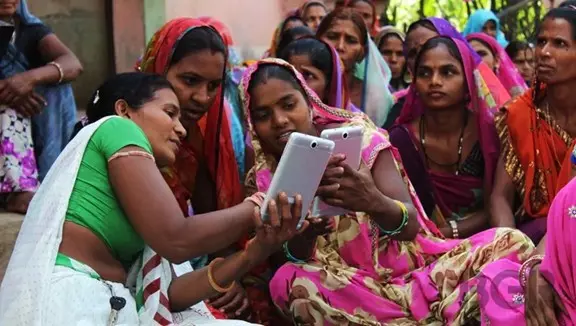
92 lakh dropped from Maharashtra’s ‘Ladki Bahin’ scheme after verification drive
Majority of deletions linked to incomplete eKYC, while thousands were found ineligible due to income, age, government employment, and duplicate or incorrect enrolments

A state-wide verification exercise has led to the removal of nearly 92 lakh beneficiaries from Maharashtra's “Mukhyamantri Majhi Ladki Bahin Yojana”, significantly reducing the number of women covered under the flagship welfare programme.
According to government records reviewed by The Indian Express, the deletions are substantially higher than the around 80 lakh beneficiaries that had been publicly disclosed by the state government. The removals account for almost four out of every 10 women who were previously enrolled under the scheme.
The verification exercise, which began in September 2025, has brought down the total number of beneficiaries from a peak of around 2.43 crore to just over 1.5 crore women.
eKYC failures account for most removals
The largest share of deletions — nearly 62 lakh beneficiaries, or about 67 per cent of the total — resulted from failure to complete mandatory electronic “Know Your Customer” (eKYC) authentication.
Another 16 lakh women, representing around 17 per cent of those removed, were found to belong to families with annual incomes exceeding the eligibility ceiling of Rs 2.5 lakh.
Also Read: CAG flags Rs 3,541 crore excess spending in Maharashtra govt’s Ladki Bahin scheme
Government records also show that about 4.42 lakh beneficiaries declared during verification that they or a family member were government employees, making them ineligible for the scheme. Around 3.6 lakh women were already receiving benefits under the Sanjay Gandhi Niradhar Yojana, while nearly 2.5 lakh cases involved more than two members of the same family claiming assistance.
In addition, around 1.8 lakh beneficiaries were found to be above the upper age limit of 65 years, while nearly 1.7 lakh applications were rejected during district-level verification. The exercise also identified around 29,000 men and nearly 8,000 government employees who had received benefits despite being ineligible.
Rs 14,000 cr paid before benefits stopped
Officials associated with the verification exercise estimated that beneficiaries who were subsequently removed had collectively received about Rs 14,000 crore before their payments were discontinued.
On average, those removed had received assistance for around 10 months, although officials noted there was no uniform cut-off because ineligible beneficiaries were identified at different stages of the verification process.
CAG flags financial concerns
The findings come against the backdrop of the Comptroller and Auditor General's State Finances Audit Report 2024-25, tabled in the Maharashtra legislature on Friday (July 10). The audit highlighted excess expenditure, parking of funds in deposit accounts, and weak financial controls in the implementation of the scheme.
Launched after being approved on June 28, 2024, the Mukhyamantri Majhi Ladki Bahin Yojana provides Rs 1,500 per month through Direct Benefit Transfer to eligible women aged 21 to 65 years from families with an annual income below Rs 2.5 lakh.
Also Read: Maharashtra closes 68 lakh Ladki Bahin Yojana accounts after missed e-KYC deadline
Government employees, income tax payers, and beneficiaries of certain welfare schemes are excluded. Budgetary allocations and supplementary provisions for the scheme have now crossed Rs 60,000 crore.
Budget planning questioned
The audit further observed that the scheme's implementation was marked by "significant deficiencies in budget estimation, expenditure control, and financial management".
It also noted that expenditure on women's welfare increased sharply from Rs 261.78 crore in the previous year to more than Rs 33,500 crore, reflecting "a significant shift toward welfare-oriented transfers rather than capital asset formation”. The CAG recommended that for large DBT schemes such as the Ladki Bahin Yojana, the department should ensure a realistic assessment of beneficiary coverage and fund requirements during budget formulation to avoid unnecessary supplementary demands or unauthorised excess expenditure.
Also Read: Ladki Bahin Yojana: Fadnavis defers January payout after SEC order
It also advised the the government against parking funds in VPDAs or similar accounts, saying fund withdrawals should be strictly linked to actual and immediate expenditure needs.