








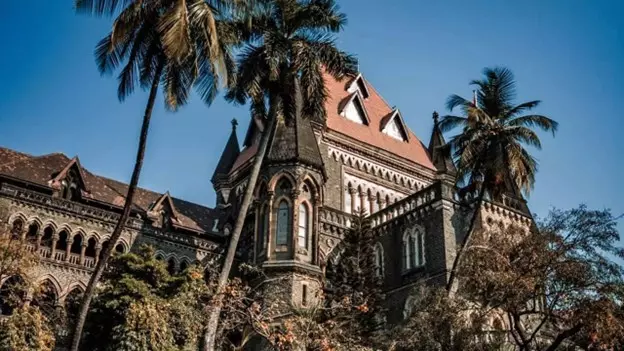
‘Being turned into govt's slaves’: Court cancels orders banishing SDPI workers from Mumbai
Four SDPI workers forced out of Mumbai over protest-related cases say they lost jobs, family time, and political opportunities as Bombay HC questions legality of police’s externment orders

For several months, four members of the Social Democratic Party of India (SDPI) lived away from their homes and families after being externed from Mumbai under the Maharashtra Police Act, with the Bombay High Court now repeatedly questioning whether the extraordinary police power was used to curb political dissent rather than prevent crime.
Saeed Ahmed Abdul Wahid Choudhary, Akbar Hussain Sayyed, Mohammad Rafiq Gulam Rasul Ansari, and Firoz Abdul Wahab Khan were externed between December 2025 and early 2026 under Sections 56 and 58 of the Maharashtra Police Act, which permit authorities to remove individuals from a city for up to two years if they are believed likely to commit offences.
The four, all associated with the SDPI — the political wing of the banned Popular Front of India (PFI), a link they say should not justify the action — were compelled to share rented accommodation in Mumbra, Thane district, while awaiting court relief.
The Mumbai Police externed them on the basis of FIRs filed against them over political protests in 2019 and 2025 on issues like the Ayodhya Ram temple, azaan on loudspeakers, Varanasi Gyanvapi mosque row, Citizenship (Amendment) Act and National Register of Citizens, and local issues.
Court raises constitutional concerns
Hearing their petitions over the past several months, Justice Madhav J Jamdar repeatedly questioned the basis of the externment orders, observing that the law is generally invoked against habitual offenders, gangsters, and bootleggers, not individuals accused of participating in political protests.
In March, the court quashed Sayyed's externment, ruling that it infringed his fundamental rights. On July 2, Justice Jamdar set aside Choudhary's externment, observing that targeting citizens for opposing government decisions would effectively reduce them to "slaves of the government."
Also Read: Activist Mahesh Shetty Thimarody banished from Dakshina Kannada for a year
On July 28, the court struck down Khan's externment as "totally illegal" and questioned whether selective action had been taken because the accused belonged to one religious community, noting that members of other political parties had also participated in similar protests.
The High Court is expected to rule on Ansari's petition next month.
Government defends action
The Devendra Fadnavis government defended the externment orders, arguing that the four had organised protests without permission and maintained links with the PFI, asserting that the "soul remained the same" between the banned organisation and the SDPI.
Justice Jamdar, however, pointed out that these allegations were absent from the original show-cause notices issued before the externment orders and therefore could not later be relied upon to justify the action.
Also Read: BJP govt in K’taka seeks to ban SDPI, PFI even as their clout grows bigger
During a hearing on July 15, the court also questioned the denial of permission to SDPI protests, remarking that democracy could not function if peaceful demonstrations were routinely prevented. It also noted that participating in an unauthorised protest carries a maximum punishment of one month's imprisonment.
The judge cited the Supreme Court's 2020 ruling in the Anuradha Bhasin case, which held that prohibitory powers cannot be used to suppress legitimate expression, as well as a 2021 Gujarat High Court judgement stating that citizens cannot be externed merely for criticising the government.
Personal lives disrupted
The petitioners argue that the externment orders, issued shortly before the January 2026 Brihanmumbai Municipal Corporation (BMC) elections, were intended to suppress democratic participation.
Their personal accounts underscore the impact. Choudhary said he was treated like a criminal despite informing police before protests, and that he had to stay in a rented room in Mumbra not sure when he would be allowed to return to his home.
Sayyed claimed the action derailed his plans to contest the civic polls and endangered his livelihood as a delivery agent. He had to be away from his wife, infant daughter, and ailing mother for four months.
Also Read: ED conducts fresh raids in PFI-SDPI case, arrests one from Tamil Nadu
Khan said he lost his job as a safety officer with Bharat Petroleum, missed the birth of his second child, and had to withdraw provident fund savings to support his family. He said citizens have the right to oppose policies they consider unjust, that we have a democracy (a Lok-shahi), and not Raj-shahi (rule of the king). He added that actions like externment may deter future protests.
Ansari, who runs a garment business, said he managed operations remotely but worried constantly about his ageing mother's deteriorating health. He also claimed the externment affected his daughter's school admission prospects, illustrating what the petitioners describe as the broader human cost of the police action.