



Sense and Sensibility review: Sisters before misters in Jane Austen’s world
Georgia Oakley’s adaptation celebrates sisterhood and female agency, but its expanded romances sometimes overshadow the emotional bond at the heart of Austen’s novel

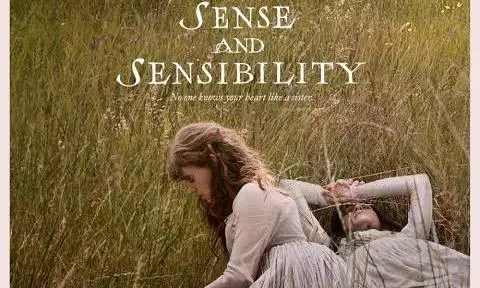
Daisy Edgar-Jones and Esmé Creed-Miles bring distinct shades to Austen’s sisters in a moody, thoughtful adaptation, but it falls short of the 1995 classic.
As a Janeite still lost somewhere in the pages of Jane Austen’s books, the prospect of watching yet another adaptation of her work comes with excitement and, of course, trepidation.
Georgia Oakley’s Sense and Sensibility, based on Austen’s debut novel published in 1811 under the pseudonym “Lady A”, though she had originally attributed it to just By a Lady. The movie comes with its own set of expectations, not least being the inevitable comparisons with Ang Lee’s 1995 adaptation. Featuring a formidable cast that included Emma Thompson, who won an Oscar for her screenplay, Alan Rickman, Kate Winslet and Hugh Grant, the film won the approval of fans and Austen purists alike.
A familiar challenge
Every generation, however, deserves its own Austen adaptation. Oakley, who broke out with the lesbian drama Blue Jean (2022), steps into a legacy that is a tall order to match. While her version does not disappoint, neither does it quite establish a template that might be remembered as fondly as its predecessor. The film sets out to be a vibrant celebration of sisterhood, even if the Dashwoods’ circumstances leave little room for colour.
Also read: 250 years after Jane Austen’s birth, why her theme of marriage is no longer central to the lives of
Oakley opts for a decidedly earthy, sepia-tinged palette, lending the film a moodier sensibility. Yet, it remains an ode to female agency and self-actualisation as Elinor Dashwood (Daisy Edgar-Jones) and Marianne (Esmé Creed-Miles) navigate the treacherous terrain of their hearts and the men causing the heartbreaks. The best lines and moments, meanwhile, are often reserved for the youngest Dashwood, Margaret (Bodhi Rae Breathnach), whose limited screen time leaves one wishing there were more of her.
While Elinor represents sense, keeping her emotions and expectations in check so as not to burden her mother and sisters, particularly after the Dashwoods are forced to leave their home at Norland for Devonshire, Marianne epitomises sensibility, wearing her heart on her sleeve. The sisters may approach life differently, but their bond remains central to the story, embodying the idea of sisters before misters.
Matters of the heart
The misters, of course, include Frank Dillane’s rakish John Willoughby, who sweeps Marianne off her feet. One cannot help but miss Hugh Grant, who immortalised the character in Lee’s adaptation. Marianne initially dismisses the quiet Colonel Brandon (Herbert Nordrum) as a man devoid of passion or interest in life. Yet their dinner-table exchanges evoke the dry, understated wit at which Austen excelled.
Also read: How Bridgerton sidelines its Indian characters despite its dark skin representation
Elinor, meanwhile, finds a kindred spirit in Edward Ferrars (George MacKay), whose quiet vulnerability complements her own emotional restraint. He is also the brother of Fanny Dashwood (Stacy Martin), Elinor’s scheming and snooty sister-in-law. Their romance is shaped as much by what remains unsaid as by what is expressed, with Edward’s sense of honour and social reserve keeping him from openly acknowledging his feelings.
Finding their voice
Austen often puts her protagonists through personal trials that force them to confront the conflict between their desires and society’s expectations. Oakley attempts to give these journeys a contemporary resonance. Elinor’s emotional candour becomes a form of empowerment as she learns to navigate the prospect of losing the man she loves without losing herself in the process. Marianne, the more volatile of the two, must learn to retain her individuality rather than reshape herself to fit societal expectations. Even after heartbreak, her passion remains undiminished, something Colonel Brandon continues to admire about her.
More than two centuries after Austen died in 1817, her writing continues to charm generations of women, reflecting their dilemmas as they negotiate the tension between societal expectations and the desire for agency. Oakley gives her heroines greater room to assert themselves. Elinor runs towards the man she has nearly lost, while Marianne’s heartbreak following Willoughby’s betrayal, and her subsequent courtship with Colonel Brandon, are left somewhat open-ended, allowing viewers to draw their own conclusions.
Sisters before misters
The film’s most compelling moments are the confrontations between the sisters. They may disagree and clash, but they remain each other’s staunchest supporters. Yet these emotional dynamics feel somewhat underplayed. Ironically, the screenplay’s expansion of the central romantic relationships comes at the expense of the story’s real heart: the bond between the sisters.
Also read: Bride and Prejudice: How Gurinder Chadha gave Jane Austen’s novel a Bollywood twist
Both Edgar-Jones and Creed-Miles bring a keen understanding of their respective characters to the screen, giving each a distinct personality and emotional trajectory. In Oakley’s telling, their journeys are not simply about finding love but about discovering the freedom to define happiness on their own terms.
And if you haven’t had enough of Jane Austen, Netflix’s adaptation of Pride and Prejudice arrives on December 3.