Bangladesh's new govt likely to make Awami League ban permanent
By turning a temporary ban into law, the BNP risks eliminating its largest political rival from Bangladesh's democracy while handing the Jamaat-e-Islami a larger space

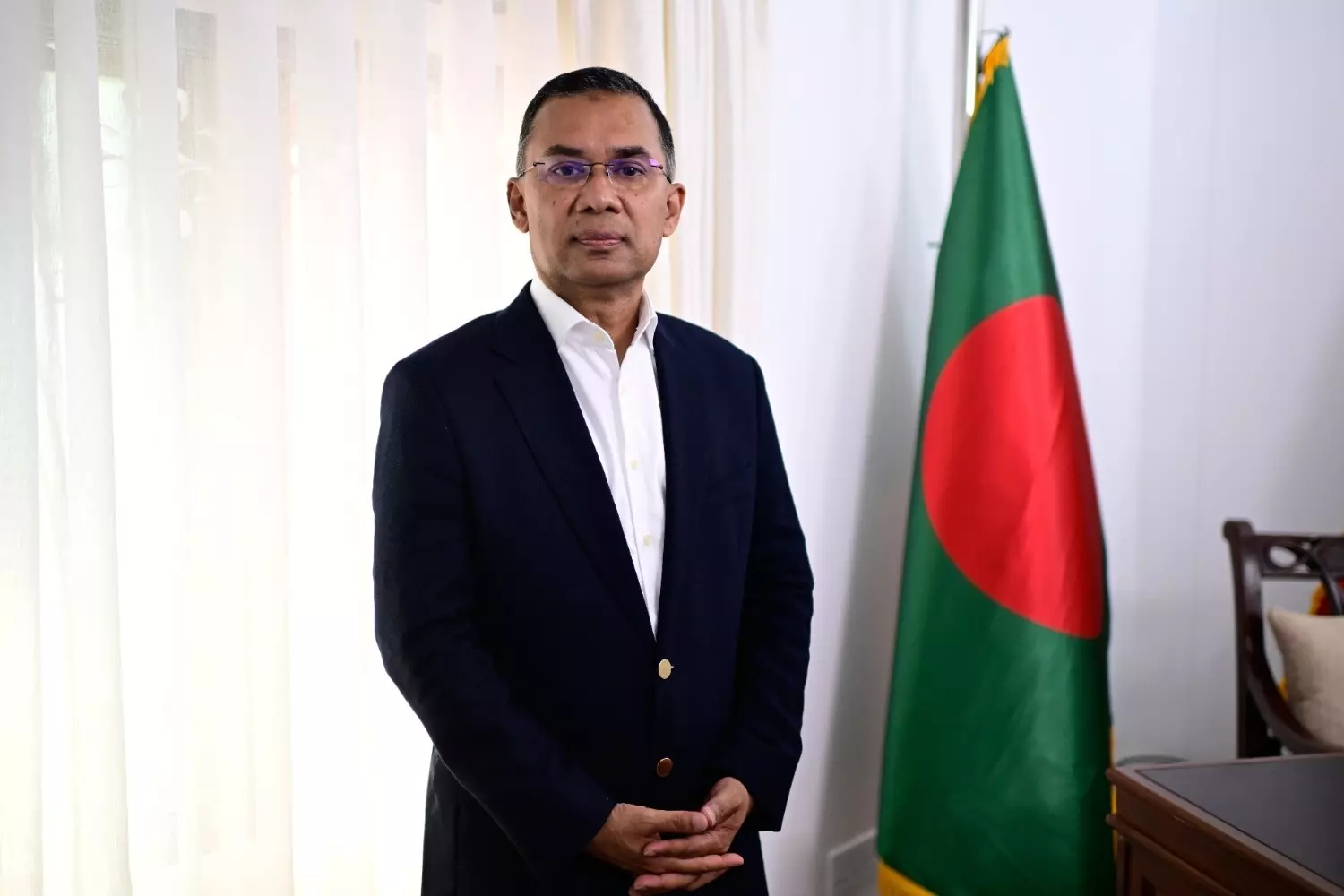
In a significant step, Bangladesh’s new government, led by the Bangladesh Nationalist Party (BNP), is planning to formalise the ban on rival Awami League's political activities, shutting legal doors for its return to the country’s electoral politics.
The League, which piloted Bangladesh’s Bengali struggle for autonomy and led the Liberation War against Pakistan, has ruled the country for half its post-independence history.
Also read: Wild East? BSF may use snakes, crocodiles to guard porous Bangladesh border
Senior Bangladesh intelligence officials told this writer that, though the government of Prime Minister Tarique Rahman is doing away with many of the executive orders issued by the former interim government headed by Nobel Laureate Mohammed Yunus, it appears to be inclined to continue with the one that banned all the League's activities.
Awami League ban may become law
One top official said that the BNP government may turn the ban order into law and beef it up with some penal clauses.
Confirming the development, sources in the BNP said Prime Minister Rahman is under huge pressure from both the party leadership and the rank and file to keep in place the ban on the League.
They said the section of the BNP leadership close to the Jamaat-e-Islami is strongly against lifting the ban.
“Can there be democracy in India without the Congress, or democracy in the US without the Democrats or democracy in Britain without the Conservatives? The answer is no. How can they even pretend to have democracy in Bangladesh without the Awami League?”
“The Awami League has institutionalised a one-party fascist culture in Bangladesh politics. It started with Sheikh Mujibur Rahman's BAKSAL experiment in the mid-1970s when all other political parties were banned. And his daughter, Sheikh Hasina, made it a reality during her 17 years in power,” said a senior BNP leader on condition of anonymity because he was not officially authorised to speak to the media.
He said while the BNP is against banning any party, it may have to extend the ban on the League to “protect democracy” in Bangladesh.
Fears of one-party rule
“If the Awami League is allowed to return to national politics, it will seek to re-establish one-party rule. It has not apologised for unleashing murderous violence during the 2024 mass agitations, in which hundreds were killed,” the BNP leader added.
According to other leaders of the ruling party, a ban on the League is something that the participants of the 2024 mass agitations demand. That means the BNP is unwilling to upset the Jamaat-e-Islami and the National Citizen Party (NCP), formed by the youth leaders of the 2024 protests.
The NCP leaders have attacked the BNP government for allowing the League to reopen party offices in many districts of the country after the parliamentary elections held in February.
Also read: New Bangladesh PM Tarique Rahman vows rule of law, safety for all faiths
“We will resist any attempt to re-establish the Awami League,” NCP leader and MP Nahid Islam warned in parliament in March.
Yunus’s interim government had officially banned all activities of the League on May 10 last year under the Anti-Terrorism Act, following the ouster of Prime Minister Hasina in August the year before. The party was prohibited from participating in elections, including the much awaited one in February, as leaders face accusations of violence and murder, leaving the League’s future in limbo.
The ban restricts the party's formal operations, including its online presence, while investigations proceed.
The interim government stated the ban is necessary to protect Bangladesh’s national security, investigate the party’s role in the 2024 violence, and ensure a fair tribunal process.
Hasina in exile
Hasina, meanwhile, has remained in exile in India, with arrest warrants issued by Bangladesh’s International Crimes Tribunal regarding her role against the 2024 protests.
The BNP-led government has also asked for Hasina's extradition from India to stand trial, as had the interim government.
The League had urged the new BNP-led government to withdraw the ban to “allow for a level-playing field in the interest of institutionalised democracy in Bangladesh”.
League spokesperson Rokeya Prachy, a former award-winning actress-turned-politician, described efforts to extend the ban on her party as “a sinister development to eliminate the pro-Liberation forces in national politics”.
“Can there be democracy in India without the Congress, or democracy in the US without the Democrats or democracy in Britain without the Conservatives? The answer is no. How can they even pretend to have democracy in Bangladesh without the Awami League?” she asked during a conversation with this writer.
Also read: Even in loss, why Jamaat-e-Islami is a key player in Bangladesh politics
According to Prachy, the League leadership and its rank and file have been subjected to horrific repression in the last 18 months, with hundreds killed and tens of thousands jailed in false cases.
“This is exactly or even worse than the repression the Awami League had faced during the days of Pakistan,” she alleged.
Bahauddin Nasim, joint general secretary of the banned outfit, said his party still enjoys enough popularity to win an election in Bangladesh. “That is why Yunus banned us in the first place,” he added.
“If we are not allowed to function as a political party now, it will only be because they fear we will come to power,” he remarked.
Bangladesh's leading constitutional lawyer, Barrister Tania Amir, said, “It will be a disaster for Bangladesh if the ban on Awami League continues”.
“The Awami League is still easily the biggest mass party in Bangladesh. It is not a one or two-cleric-led terrorist group. Banning it is challenging the very edifice of democracy,” he said.
Also read: Jamaat chief flays Bangladesh president for interview, exposing political fault line again
She described the situation as “a conspiracy to eliminate the values of the 1971 Liberation War, the ideals of secular linguistic Bengali nationalism”, and replace them with a Pakistan-type Islamist polity.
India’s worries
If that were to be the case, it surely does not augur well for India. While many in New Delhi felt relieved when the BNP won the parliamentary elections on the promise of restoring democracy, the emergence of the pro-Pakistan Jamaat-e-Islami as the leading Opposition party with most of its seats won in the border areas, the unease was far from over in the first place. If the BNP now plays to the Jamaat script and the League is completely blocked from national politics, Delhi's worries will only multiply.